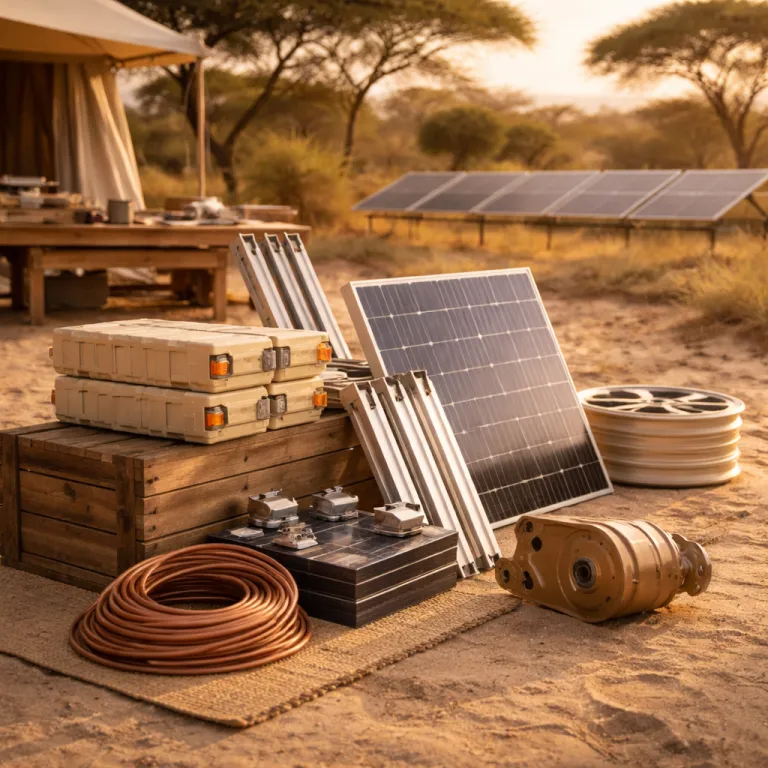
Kenya electric safari vehicles and solar lodges reshape the game drive
Kenya is moving fast to make the classic safari quieter, cleaner and more precise. Across the country’s leading conservancies, electric safari vehicles now slip through the bush with a low hum rather than the usual diesel rattle, changing how you experience wildlife and how close you can approach it. For solo travelers comparing Kenya’s new generation of electric safari vehicles and solar powered lodges with conventional camps, the shift is already redefining what a luxury safari experience feels like in practice.
At Emboo River Camp in the Maasai Mara, guides use fully electric vehicles for game drives, pairing battery systems with a solar powered charging array on site. The camp’s converted Land Cruisers typically carry lithium-ion battery packs with a practical range of several game drives between full charges, backed by a small generator only in prolonged bad weather, according to Emboo River’s sustainability briefings. The result is a game drive where you can hear the crunch of hooves, the wingbeat of vultures and the low contact calls of lions, because the safari vehicle is almost silent and produces no exhaust fumes. Emboo River reports in its internal sustainability updates that its water treatment and recycling systems cut freshwater use by roughly 80 to 85 percent compared with a conventional camp, figures drawn from the lodge’s own monitoring rather than an independent audit. Are electric safari vehicles quieter than traditional ones? In practice, yes: they offer near silent game drives that enhance wildlife viewing and reduce disturbance.
Chyulu Lodge in southern Kenya describes itself as a zero carbon lodge, running electric safari cars and lodge infrastructure on solar power across a vast private wilderness that links Amboseli and Tsavo National Park ecosystems. In this context, “zero carbon” usually means that day to day operations are powered by renewables and any remaining emissions are offset, not that the lodge has no climate impact at all. Farther north, Sarara has converted classic Land Rover safari vehicles to electric, keeping the romance of the old safari cars while removing the tailpipe emissions and most of the engine noise. Public conservation reports and lodge materials indicate that Chyulu’s wider landscape covers roughly 400,000 hectares and Sarara’s Namunyak Conservancy spans about 344,000 hectares, though exact figures can vary by source and are best treated as rounded estimates. As one Kenyan conservation planner notes in regional land use summaries, boundaries in community conservancies can shift over time as new agreements are signed, which helps explain why different sources sometimes quote slightly different hectare figures. These three lodges show how Kenya, more than many other parts of Africa right now, is using electric vehicles and solar technology to turn the traditional African safari into a more eco friendly, low impact form of travel, while still leaving room for debate about how green any high end camp can truly be.
- Emboo River Camp (Maasai Mara): fully electric game drive fleet, solar powered charging, on site water recycling.
- Chyulu Lodge (southern Kenya): electric safari vehicles, extensive solar systems, zero carbon positioning.
- Sarara (northern Kenya): converted electric Land Rovers, solar power, community owned conservancy model.
Solar powered lodges and the real cost of eco luxury in Kenya
For travelers used to paying a premium for remote wildlife access, the obvious question is whether Kenya’s solar lodges cost more than conventional luxury camps. In practice, many eco lodges using solar powered systems and electric safari vehicles in Kenya sit in the 400 to 600 US dollar per person per night range in low to mid season, which is often below the top tier of ultra luxury safari properties in the Masai Mara or Laikipia. That pricing makes Kenya’s combination of electric game drive vehicles and solar powered lodges a realistic option if you want a high end safari experience without paying purely for marble bathrooms and overspecified design, though peak season rates can climb higher.
Emboo River, Chyulu Lodge and Sarara all run extensive solar installations that power the lodge, the camp back of house and the fleet of electric vehicles used for game drives. At Emboo River, for example, roof mounted photovoltaic panels feed a central battery bank that charges the vehicles between drives, while Chyulu and Sarara use similar hybrid systems sized to support both guest areas and operational needs. Emboo River’s published figures suggest water efficiency improvements of around 80 to 85 percent, while Chyulu Lodge sits in a protected wilderness of roughly 400,000 hectares and Sarara’s conservancy covers about 344,000 hectares, so your safari spend supports large scale habitat protection as well as your own wildlife experience. These numbers are typically drawn from lodge sustainability reports and partner conservation organisations rather than government land surveys, so they should be read as informed estimates rather than definitive measurements.
From a guest perspective, the main trade off is not comfort but mindset, because eco friendly lodges often prioritise simple, elegant design over conspicuous consumption while still delivering strong guiding, excellent food and reliable hot water. You might charge your phone from the same solar system that powers the electric vehicle you used for that morning’s game drive, or eat vegetables grown in the lodge’s organic garden instead of flown in from Nairobi. As one repeat guest at a solar powered camp put it, “I didn’t feel like I gave anything up, except the noise of generators.” A community liaison officer at a northern Kenya conservancy adds in annual impact notes that quieter vehicles and reduced fuel deliveries have also cut dust, traffic and noise for nearby villages, though they still push camps to report more clearly on waste and employment data. For many solo explorers, that integrated eco approach feels more like modern luxury than a traditional safari camp that burns diesel all day to run air conditioning and oversized generators, though travellers who expect constant air conditioning or very high energy use may find the lighter footprint model more constrained.
Kenya versus the rest of Africa: how to read the new eco metrics
Kenya’s push on electric safari vehicles and solar powered lodges sits within a wider African shift toward lower impact safaris. In South Africa, properties such as Cheetah Plains in the Sabi Sand reserve have pioneered fully electric game drive vehicles and extensive solar fields, while Zimbabwe’s Fothergill Island and Nantwich Lodge now run mostly on renewable energy with conservation first tourism models. If you are comparing Kenya’s solar powered safari lodges and electric vehicle camps with options in Botswana, Zambia or South Africa, the key is to look beyond the marketing language and ask for hard data that you can verify in lodge reports or independent conservation updates.
Start with the safari vehicles and game drives, because that is where you spend most of your time and where wildlife impact is most direct. Ask whether the lodge runs a fully electric vehicle fleet or a mix of electric vehicles and diesel safari cars, and whether charging is genuinely solar powered or backed by generators at night. Then look at how the camp or lodge links tourism revenue to local communities through employment, guiding scholarships and education projects, because Kenya’s most progressive camps, including Emboo River, Sarara and Campi Kanzi, treat community partnerships as seriously as wildlife sightings. Conservation researchers often note in regional policy briefs that long term wildlife protection depends as much on these local benefits as on the number of electric vehicles in a fleet.
For a solo traveler planning an African safari, the most useful question is simple yet rarely asked, which is what sustainability metrics the lodge tracks and publishes each year round. You want to see clear reporting on renewable energy percentages, water use, waste management and the number of local jobs created, not just a generic eco friendly label or a single electric safari vehicle parked for show. When you weigh Kenya’s leading solar lodges and electric safari experiences against peers in South Africa or Zimbabwe, use those metrics, along with detailed regional tools such as our Kruger and Sabi Sand map guide for choosing the perfect safari lodge, to decide which camp genuinely earns its luxury rate and which is just selling a green tinted game drive. In the end, the most credible eco lodges are the ones that share their data, explain their limits and invite guests to judge the claims for themselves.