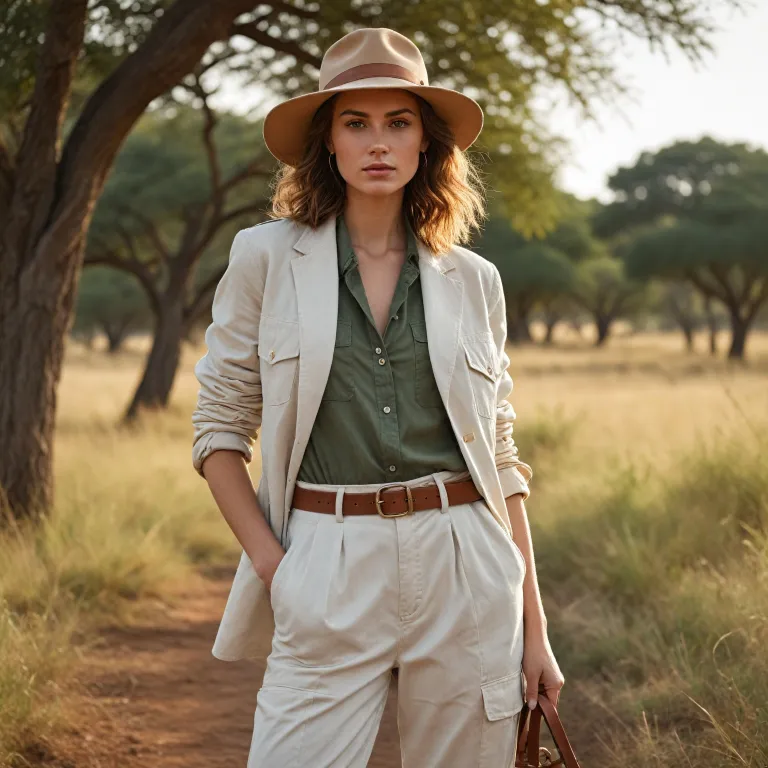
Balancing elegance and practicality when planning what to wear on safari
Understanding what to wear on safari begins long before your plane lands in Africa. Your safari trip wardrobe should balance refined style with the realities of dust, heat, and cool evenings that arrive quickly after sunset. When you plan what to wear, think in layers that are lightweight yet protective, and always respectful of local customs.
Safari tour operators consistently emphasise neutral tones for safari clothing because they blend into the bush and keep you cooler. They also remind guests that dark shades attract insects, and that average daytime temperatures in many safari Africa regions hover around 29 °C. This is why a breathable base layer, a light shirt, and a compact utility jacket work better than a single heavy jacket that feels stifling by midday.
For many travellers, the question is not only what to wear but what pack efficiently in a single soft bag. A curated packing list for an african safari should include one utility jacket, two ankle pant options, and two or three shirts that you can easily mix match. This approach keeps your travel wardrobe polished while ensuring every piece earns its place in your bag.
Safari style is less about runway fashion and more about quiet confidence that suits both game drive comfort and lodge elegance. Think of what wear choices will transition from early morning game drives to a relaxed dinner without needing a complete outfit change. When you plan what to wear on safari with this mindset, every dress, pant, and jacket works harder for you.
Essential safari clothing from sunrise game drives to starlit dinners
Early morning game drives can feel surprisingly cold, so a warm yet lightweight jacket is indispensable. Many travellers prefer a structured utility jacket because it offers pockets for binoculars, lip balm, and a compact camera. Later in the day, when temperatures rise, you can remove the jacket and rely on breathable shirts that still look refined at the lodge.
Long sleeve tops and full length pant styles protect you from sun and insects during an african safari. Experts note that “Yes, they provide protection against the sun and insect bites.” This is particularly relevant in national park areas where vegetation brushes against your legs during game drives and short bush walks.
When considering what to wear on safari, prioritise fabrics that are lightweight, quick drying, and easy to hand wash. A neutral dress in technical fabric can be worn with boots for a game drive, then styled with a scarf for dinner. Such versatile clothing reduces how much you bring, while keeping your safari style cohesive and quietly luxurious.
Footwear deserves special attention on any safari trip, especially in east africa or south africa where terrain varies. Closed toe boots with good grip are ideal for stepping in and out of vehicles and for uneven paths around your lodge. Reserve flip flops for the pool or spa only, as they offer little protection during game drives or walks.
Choosing colours, fabrics, and layers for africa’s varied safari climates
Colour is central to what to wear on safari, both for comfort and for wildlife viewing etiquette. Guides advise avoiding black and navy because “Dark colors can attract tsetse flies and absorb more heat, making you uncomfortable.” Instead, choose shades of stone, olive, sand, and soft brown that work beautifully across different safari africa landscapes.
White clothing may look chic in photos, yet it quickly shows dust on a game drive and can feel harsh in bright light. A single white shirt or dress can work for evenings at a luxury lodge, but it should not dominate your packing list. You will appreciate how earth tones hide red dust in south africa or the paler soils of kenya tanzania.
Layering is the quiet hero of safari style, especially when temperatures swing between cool dawn and hot afternoon. A moisture wicking base layer, a shirt, and a lightweight utility jacket allow you to adapt gracefully. This system means you wear safari outfits that remain comfortable during long game drives without constant outfit changes.
Fabric technology has evolved, and many travel clothing brands now offer pieces with UV protection and insect repellent finishes. Safari tour operators often recommend these garments because they reduce the need for heavy topical sprays. When you plan what pack for an african safari, prioritise these technical fabrics over heavy cotton that stays damp.
Footwear, accessories, and the art of refined safari style
Footwear can define how comfortable you feel each day, so consider what to wear on safari from the ground up. Closed leather or canvas boots that reach just above the ankle protect against dust, thorns, and uneven steps. Many travellers say they wore the same pair of boots for all game drives, proving that one excellent choice can outperform several mediocre options.
For time at the pool or spa, a pair of flip flops is sufficient, but they should stay there. You will not want to wear flip flops while climbing into vehicles or walking around a national park camp at night. Instead, keep your boots or sturdy trainers by the door of your tent or suite, ready for each safari trip outing.
Headwear is another essential element of safari clothing, especially under the strong african sun. A wide brim hat offers better protection than a cap, shading your face, neck, and ears throughout long game drives. Many guests bring a crushable hat that fits easily into a bag without losing its shape.
Accessories should serve both utility and style, complementing your overall safari style rather than cluttering it. A soft scarf can act as a dust shield during a windy game drive, then elevate a simple dress at dinner. When you consider what wear items truly earn their place, you will naturally bring fewer yet more purposeful pieces.
Packing list strategy for luxury safari lodges in east and south africa
Creating a thoughtful packing list helps you feel prepared without overpacking, especially when flying on small safari aircraft. Many luxury lodges in east africa and south africa enforce strict bag weight limits, favouring soft duffel styles. This makes it essential to plan what pack with a focus on mix match outfits that work across several days.
A practical packing list for an african safari might include three shirts, two ankle pant options, one casual dress, and one smarter dress. Add a lightweight utility jacket, a warmer jacket for cooler nights, and a single pair of boots. With this capsule approach, you wear safari outfits repeatedly yet styled differently with scarves or jewellery.
Think in terms of day segments when deciding what to wear on safari each morning. For the early game drive, you might wear a base layer, shirt, and jacket with boots. By midday, you can remove the jacket, roll up sleeves, and still look polished for lunch at your lodge.
Midway through planning, many travellers also research exclusive use properties for multi generational trips. For insight into how wardrobe needs shift when you have private vehicles and flexible schedules, consult this guide on exclusive use safari lodges for families and groups. Understanding your daily rhythm will refine what wear items you prioritise, from relaxed flip flops for private decks to more structured pieces for hosted dinners.
Regional nuances: what to wear on safari in kenya, tanzania, and south africa
While the core principles of what to wear on safari remain consistent, regional nuances matter. In kenya tanzania, many itineraries combine highland areas with warmer lowland reserves, so layering becomes even more important. You may start the day in a jacket and long pant, then shift to a shirt and lighter layers by afternoon.
In south africa, some national park regions can feel cooler in the early months of the dry season. Travellers often appreciate a slightly heavier utility jacket for dawn game drives, especially in open vehicles. Later, a lightweight jacket or even just a shirt may suffice as temperatures rise across the day.
For any african safari, cultural sensitivity should guide what wear choices you make for time in towns or villages. Modest clothing that covers shoulders and knees is appreciated, particularly away from the lodge environment. A simple dress worn with a light jacket or scarf can feel both respectful and stylish during community visits.
Safari tour operators and travel clothing brands collaborate increasingly on guidance that reflects real conditions on the ground. They encourage guests to “Consulting with safari tour operators for specific recommendations.” This partnership ensures that your packing list reflects not only safari style but also safety, comfort, and local expectations.
From planning to post-trip: refining your safari wardrobe with experience
The process of deciding what to wear on safari begins with research and ends with reflection. Before departure, you will likely create a detailed packing list, speak with safari tour operators, and review advice from travel clothing brands. During the trip, you will quickly see which clothing pieces you wear constantly and which remain untouched in your bag.
Many travellers report that they wore the same favourite ankle pant and shirt combination on most game drives. They appreciated how these lightweight pieces layered easily under a utility jacket in the morning. Over time, this experience shapes what pack decisions for future journeys across safari africa.
After your safari trip, take a moment to evaluate your wardrobe choices with a critical yet appreciative eye. Which boots felt comfortable from the first day, and which hat truly shielded you during long game drives ? This honest review will refine your understanding of what wear items deserve a permanent place in your safari capsule.
As sustainable materials and technical fabrics evolve, you can gradually upgrade key pieces rather than replacing everything at once. Focus on high quality boots, a versatile jacket, and a wide brim hat that suit both east africa and south africa itineraries. With each journey, your sense of safari style becomes more assured, elegant, and perfectly attuned to the landscapes you love.
Key statistics about safari clothing comfort and safety
- Average daytime temperature in many safari regions reaches approximately 29 °C, reinforcing the need for lightweight, breathable layers.
- Around 60 % of travellers experience insect bites on safari, highlighting the importance of long sleeves, long pants, and protective fabrics.
Frequently asked questions about what to wear on safari
Why should I avoid wearing dark colors on safari ?
Dark colors can attract tsetse flies and absorb more heat, making you uncomfortable.
Is it necessary to wear long sleeves and pants on safari ?
Yes, they provide protection against the sun and insect bites.
Can I wear camouflage clothing on safari ?
It's best to avoid camouflage as it's associated with the military in some countries and may be illegal.