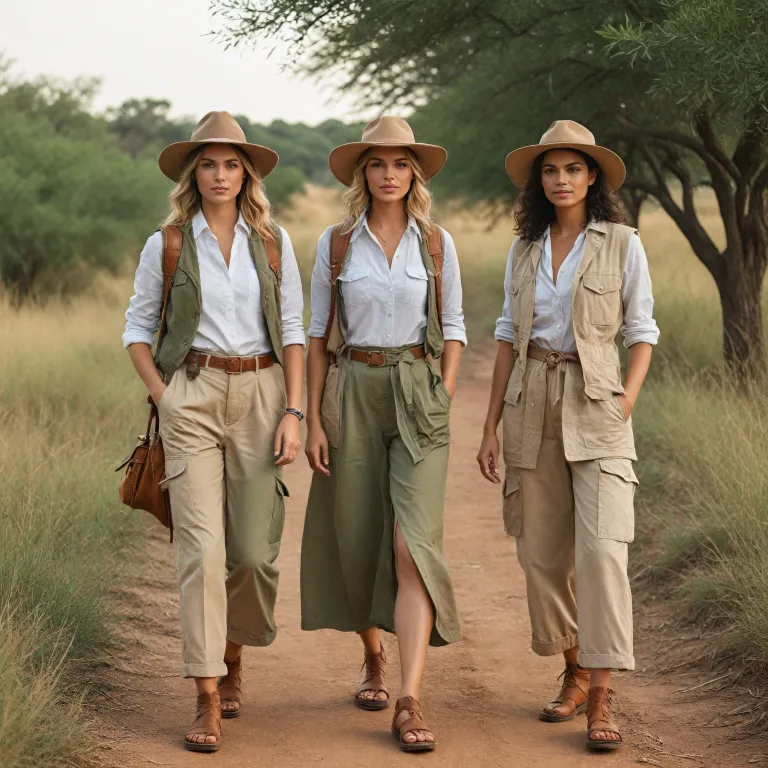
Balancing elegance and practicality in safari clothing
Understanding what to wear on African safari starts with the environment itself. Days on safari Africa often move from cool dawn to intense midday heat, then back to chilly evenings that will surprise even seasoned travel lovers. Your safari clothing should adapt gracefully to these shifts, while still reflecting a refined safari style that feels at home in luxury safari lodges.
Begin your clothing pack with lightweight, breathable layers in neutral tones that work well in varied light. A long sleeved shirt in cotton or technical fabric protects from sun and insects, and it will also respect local expectations for modesty during cultural visits. Add a warm layer such as a thin fleece or merino knit, because early game drives in south Africa or other regions can feel unexpectedly cold in open 4x4 vehicles.
For your lower half, choose a versatile safari pant that allows easy movement and dries quickly after light rain or river spray. Many travellers wore jeans at home but find them too heavy and slow drying once they pack safari outfits for real conditions. Instead, opt for safari clothing trousers with articulated knees and discreet pockets, which work well both on game drives and at elegant dinners in safari lodges.
Footwear is central when you plan what wear for long days outdoors, especially if walking safaris are included. Closed boots with ankle support protect against uneven terrain, while flip flops stay useful around the pool or in your room. Pack one pair of polished boots for evening, and one more rugged pair to wear safari during dusty game drives and bush walks.
Curating a refined safari packing list for luxury lodges
When you prepare a packing list for an african safari focused on premium stays, think in outfits rather than individual items. Each piece of clothing will ideally mix and match, so your clothing pack remains light yet polished for every lodge setting. Luxury safari lodges often offer same day laundry, which means you can pack safari essentials more selectively and still feel impeccably dressed.
Start with three or four long sleeved shirts in breathable fabrics, then add two short sleeved options for warmer afternoons. Combine these with two pairs of safari pant styles, one slightly smarter for dinners and one more rugged to wear safari during active excursions. A compact utility jacket in neutral khaki or olive becomes your signature warm layer, adding structure and safari style to even the simplest base layers.
For those booking through a premium platform, curated inspiration helps refine what to wear on African safari without overpacking. A detailed guide to top luxury safari booking websites can clarify which safari lodges lean more formal in the evening and which remain relaxed. This context shapes your safari packing so you bring exactly the right balance of relaxed clothing and elevated pieces that work well at candlelit dinners.
Footwear should follow the same principle of edited versatility, with one pair of sturdy boots, one pair of lighter walking shoes, and minimalist flip flops. Place these in a soft sided bag that fits easily into luggage safari restrictions on small aircraft. Remember that many high end properties provide rain ponchos and blankets on game drives, so you can keep your own jacket selection focused on a single refined utility jacket.
Layering strategies for changing african climates
Mastering layers is the quiet secret behind every successful african safari wardrobe. Temperatures can shift by more than 20 degrees between dawn and midday, so what to wear on African safari must anticipate both chill and heat. A thoughtful safari packing approach lets you add or remove a warm layer without ever compromising style or comfort.
Begin each day with a long sleeved base in breathable fabric, then add a light mid layer and finish with a utility jacket if the air feels cold. As the sun rises during game drives, you can remove the jacket and still keep arms covered for sun protection. Later, when you return to safari lodges for brunch, rolling up sleeves instantly transforms the same safari clothing into a relaxed, resort appropriate look.
For your lower half, choose a safari pant with roll up tabs or discreet zips that convert to shorts when temperatures climb. This design will work well on walking safaris, where you may start in cool shade and end under strong african sun. Many travellers who once wore heavy trekking trousers now prefer these lightweight options, which pack safari practicality into a single adaptable garment.
Evenings often call for a slightly more polished silhouette, especially at high end safari lodges in south Africa and beyond. Here, a darker pant paired with a crisp long sleeved shirt and your best utility jacket creates understated safari style. Add boots with a clean profile, and you have an ensemble that moves seamlessly from sunset game drive to lantern lit dinner without needing extra clothing in your luggage safari.
Footwear, accessories, and the role of colour
Footwear choices shape both comfort and safety when you plan what wear in africa’s wild landscapes. Closed toe boots remain the standard for game drives and bush walks, because they protect against thorns, uneven ground, and sudden weather changes. Look for lightweight designs that will pack efficiently, with enough support to work well during several hours of activity.
Alongside boots, include a pair of simple flip flops for use around the pool, spa, or your suite. These weigh almost nothing in your bag yet add real comfort between more structured activities at safari lodges. Some travellers also bring low profile trainers, which can wear safari style during travel days and still feel appropriate in relaxed lodge settings.
Colour deserves careful thought when you consider what to wear on African safari, especially for game drives and walking safaris. Neutral tones such as sand, olive, and stone blend into the african bush, which benefits wildlife viewing and respects conservation guidelines. Avoid bright white for daytime activities, because white clothing will show dust quickly and can feel visually intrusive in sensitive environments.
Accessories complete your safari packing without adding bulk to your clothing pack. A wide brimmed hat, polarized sunglasses, and a buff or scarf protect against sun and dust during long game drives. Pack these in a dedicated section of your luggage safari, so you can reach them quickly when your guide calls an early start for a sunrise outing in safari Africa.
From runway to riverbed: elevating safari style
Many travellers booking premium safari lodges hope to balance authentic fieldwear with a sense of personal style. The question of what wear in such settings often sits between fashion and function, especially for guests used to urban wardrobes. With careful choices, safari clothing can feel both camera ready and entirely appropriate for remote african landscapes.
Focus on refined silhouettes in technical fabrics, such as a tailored utility jacket over a soft long sleeved knit. This combination will work well for cool mornings on the vehicle and still look polished at breakfast. A slim cut safari pant in a neutral tone can echo city tailoring while remaining practical enough to wear safari during bumpy game drives.
When planning your clothing pack, think about textures that photograph beautifully against africa’s dramatic backdrops. Linen, brushed cotton, and fine gauge wool add depth without unnecessary weight, and they pack safari elegance into a compact wardrobe. Many style conscious guests who once wore bright resort pieces now prefer this quieter palette, which flatters skin tones and harmonizes with the landscape.
For itinerary planning and wardrobe coordination, a detailed mapping guide to the Serengeti plain on Africa map can be invaluable. Understanding where you will travel, and how often you will move between camps, shapes how much clothing you bring. If your route includes multiple flights on small aircraft, prioritize a single soft bag and keep luggage safari weight low, relying on lodge laundry to refresh your favourite boots, shirts, and trousers between game drives.
Packing logistics and expert guidance for african safari
Beyond aesthetics, the logistics of what to wear on African safari matter greatly when you move between remote airstrips and luxury camps. Many regional flights in safari Africa enforce strict luggage safari limits, often preferring soft bags over hard suitcases. This reality means every item you pack safari must earn its place through versatility and performance.
Organize your clothing pack using lightweight cubes, grouping items by activity such as game drives, lodge leisure, and travel days. Place your warm layer, utility jacket, and a spare long sleeved shirt near the top, so you can adjust quickly to changing weather. Keep boots and flip flops in separate dust bags, which will work well to protect the rest of your clothing from red african dust.
Professional safari guides remain your best resource for fine tuning what wear in specific regions and seasons. They understand how temperatures shift, which colours suit local wildlife reserves, and what type of safari pant or jacket performs best on their routes. As one expert guidance note states, "Pack light, neutral-colored clothing." and this simple principle underpins almost every successful safari packing strategy.
Safety and comfort also depend on respecting health and timing advice from experienced operators. "The best time varies by region, but generally during the dry season when wildlife is more concentrated around water sources." and "Yes, vaccinations such as yellow fever and malaria prophylaxis are often recommended. Consult with a travel health specialist." help frame your broader planning. Finally, remember that "Yes, when conducted with reputable operators and following safety guidelines, safaris are generally safe." which reinforces why choosing established safari lodges and trusted partners will always work well for discerning travellers.
Smart bags, white accents, and what not to bring
Choosing the right bag is as important as choosing the right jacket when you refine what to wear on African safari. A soft sided duffel with internal organization will pack efficiently into small aircraft and lodge vehicles. Inside, separate your safari clothing from evening wear, so dust from game drives does not settle on your more formal pieces.
Many guests like to bring one white shirt or blouse for dinners, even though white clothing is less practical during daytime activities. This single white accent can feel fresh against sun kissed skin and a neutral safari pant, especially when paired with elegant boots. Limit white items to those you will not wear safari during dusty excursions, and rely on darker tones for daytime game drives.
When finalizing your clothing pack, resist the temptation to overpack multiple versions of the same item. Two pairs of boots, a single utility jacket, three long sleeved shirts, and two lighter tops will work well for most itineraries of a week or more. This streamlined safari packing approach leaves room in your luggage safari for camera gear, binoculars, and perhaps a small gift for your guides.
Equally important is knowing what not to bring on african safari journeys focused on luxury and conservation. Avoid camouflage patterns, which can be sensitive in some african countries, and skip heavy denim that dries slowly and adds unnecessary weight. By curating a thoughtful selection of safari style essentials, you ensure that every piece you wore in the bush feels as considered as the safari lodges you chose, allowing you to travel lightly, comfortably, and with quiet confidence.
Key statistics for planning an african safari wardrobe
- Number of tourists visiting African safaris annually : 3 000 000 people.
- Average cost of a 7 day African safari : 5 000 USD per person.
Essential questions about what to wear on african safari
What is the best time of year to go on an African safari?
The best time varies by region, but generally during the dry season when wildlife is more concentrated around water sources. This timing also influences what to wear on African safari, because dry seasons often mean colder mornings and dustier afternoons. Plan your safari clothing with adaptable layers so you remain comfortable across these daily shifts.
Do I need vaccinations before going on a safari?
Yes, vaccinations such as yellow fever and malaria prophylaxis are often recommended. Consult with a travel health specialist well before departure, as some treatments require a schedule over several weeks. Their advice will work well alongside guidance from your safari lodges, ensuring your clothing pack and medical preparations align with your specific african safari route.
Is it safe to go on an African safari?
Yes, when conducted with reputable operators and following safety guidelines, safaris are generally safe. Choosing established safari lodges and experienced guides ensures that every game drive, walking safari, and transfer is managed with professional oversight. This allows you to focus on what to wear on African safari for comfort and elegance, while experts handle the operational details.