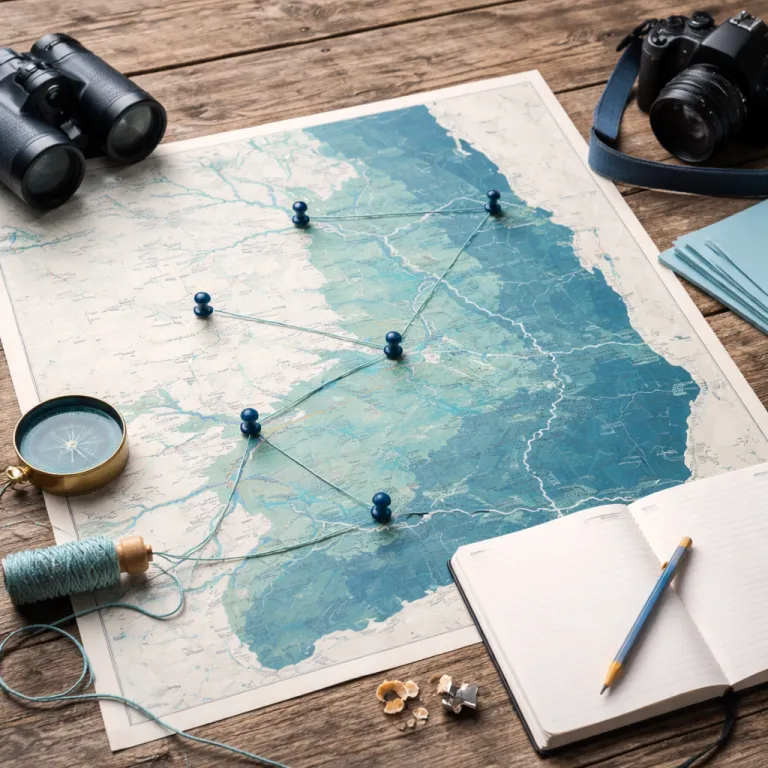
Understanding the Kruger and Sabi Sand map for luxury safaris
The Kruger and Sabi Sand map is the essential starting point for planning a refined Africa safari. When you look closely at this map of the greater Kruger area, you see how the immense national park connects seamlessly with the intimate private game reserves to the west. This relationship between the public Kruger National Park and the exclusive Sabi Sands Game Reserve shapes every aspect of your safari lodge experience.
Kruger National Park stretches over 19 623 km² of protected bush, making it South Africa's largest game reserve and a cornerstone of conservation in the region. On the same map, the Sabi Sands reserve appears as a compact 650 km² block, but its unfenced 50 km border with Kruger creates a single ecological system rich in wildlife. Because there are no fences between the park and the private game reserves, animals move freely, and your chances of seeing lion, leopard and other iconic species increase dramatically.
When reading any detailed Kruger and Sabi Sand map, pay attention to the Sabie River and Sand River, which act as lifelines through the bush. Many of the most sought after safari lodges sit along these waterways, where river lodge settings offer constant game viewing from your deck. The combination of river, sand, and woodland on the map explains why this corner of south Africa is renowned for dense predator populations and exceptional game drives.
How geography shapes your safari lodge experience
The Kruger and Sabi Sand map clearly shows how geography influences the style of every safari lodge stay. In the east, the vast Kruger National landscape is crisscrossed by public roads, picnic sites and rest camps, which suit independent travellers who enjoy self drive exploration. In the west, the Sabi Sands and other private game reserves limit vehicle numbers, creating a quieter, more exclusive atmosphere for guests seeking privacy and personalised service.
Within Sabi Sands, the map highlights individual properties such as lion sands and other renowned lodges that control their own traversing areas. These private game sectors allow guides to follow a lion or leopard off road, something not permitted inside the national park. For many travellers comparing lodges, the ability to leave the track during a drive is a decisive factor, especially when planning a once in a lifetime Africa safari.
Look for clusters of camps along the Sand River and Sabie River, where permanent water attracts wildlife throughout the year. A river lodge in this area often delivers exceptional sightings directly from the deck, while vehicles explore the surrounding bush on morning and afternoon drives. For deeper context on how river systems shape wildlife movements across the continent, you can read this detailed guide to Zambia luxury safari travel in Africa’s wild heart at elevated safari journeys through Africa’s wild heart.
Reading the Kruger and Sabi Sand map like a lodge expert
To use a Kruger and Sabi Sand map effectively, start by locating the main access gates and airstrips that serve your chosen safari lodges. The distance between these entry points and your camp influences transfer times, which can be significant in such a large national park. A well planned route through the reserve and private game areas ensures you spend more time on drives and less time in transit.
Next, study how the Sabi Sands game reserve is divided into individual properties, each with its own network of tracks. A lodge sabi property with extensive traversing rights across neighbouring lands usually offers more varied game viewing than a smaller, enclosed camp. When comparing options, ask how many hectares of bush each safari lodge can access, and how this area relates to the broader sands kruger ecosystem on the map.
Pay attention to habitat diversity, which is clearly visible on detailed maps showing riverine forest, open plains and thicker bush. A camp near both river and open sand or grassland will typically deliver a wider range of species on every drive. This is especially relevant in Sabi Sand and other sands private sectors, where guides know exactly how seasonal changes in the bush influence wildlife movements between the park, the river lodge belts and the drier interior.
Choosing between Kruger National Park and Sabi Sands lodges
The Kruger and Sabi Sand map helps clarify the differences between staying inside the national park and booking a lodge in a private game reserve. In Kruger Park, accommodation ranges from simple rest camps to more comfortable safari lodges, with most guests joining shared drives or exploring in their own vehicles. This style of travel suits those who value flexibility and wish to cover long distances through varied bush landscapes.
In contrast, Sabi Sands and other private game reserves focus on fully guided experiences, where every drive, walk and meal is curated by the lodge team. Vehicles are limited, and sightings are carefully managed, which is why many travellers associate Sabi Sand and lion sands properties with some of the most exclusive safari lodges in south Africa. The map sabi layout of these reserves, with fewer roads and more off road access, supports intimate encounters with lion, leopard and other predators.
When comparing options, consider how many nights you wish to spend in each area and how transfers between the park and the private game sectors will work. Some guests choose a combination stay, starting in Kruger National Park for a broader overview before moving into Sabi Sands for a focused big cat experience. Used thoughtfully, the Kruger and Sabi Sand map becomes a planning tool that balances budget, privacy and the depth of your Africa safari encounters.
Positioning your lodge stay around rivers, drives and wildlife
On any detailed Kruger and Sabi Sand map, the Sabie and Sand Rivers stand out as defining features for luxury lodge placement. A river lodge along these waterways benefits from constant wildlife traffic, as animals move between the bush and the river to drink, hunt and rest. Many of the most acclaimed safari lodges in Sabi Sands and adjacent private game reserves use this natural theatre as the backdrop for elevated decks and open air lounges.
Game drives in these riverine areas often produce exceptional sightings of lion, leopard and large herds of elephant, especially during the dry season. Guides in Sabi Sand and other sands game sectors know how to use the map to anticipate where animals will cross the river or emerge from thicker bush. This intimate knowledge of the terrain, combined with strict limits on vehicle numbers in each private game area, underpins the reputation of Sabi Sands as one of Africa’s premier wildlife destinations.
When evaluating a lodge sabi property, ask how far it sits from the main river systems and how this affects typical drive routes. A camp deeper in the interior of the reserve may offer quieter sightings and a stronger sense of remoteness, while a sands river location can deliver almost continuous game viewing from the comfort of your suite. Both settings have merit, and the Kruger and Sabi Sand map allows you to align your choice with your personal vision of an ideal south Africa safari.
Using the Kruger and Sabi Sand map on a luxury booking platform
For travellers using a luxury and premium booking website for safari lodges, an interactive Kruger and Sabi Sand map is more than a visual aid. It becomes a decision making instrument that links each lodge, camp and reserve to tangible experiences on the ground. By overlaying information about game densities, river access and drive routes, the platform can translate the complexity of the bush into clear, guest friendly choices.
A refined interface should allow you to filter safari lodges by their position within Kruger National Park, Sabi Sands or neighbouring private game reserves. With a few clicks, you can compare a river lodge in lion sands with a more remote camp in another sands private sector, while still seeing how both connect to the broader kruger park ecosystem. This cartographic context is especially valuable for guests planning multi stop itineraries across south Africa and other parts of Africa safari country.
To support informed decisions, responsible platforms integrate verified guidance such as “Book accommodations in advance.”, “Follow park regulations.” and “Use guided tours for safety.”. They also highlight key conservation facts, including that Kruger Park covers 19 623 km², Sabi Sands spans 650 km², and the unfenced border between them runs for 50 km. For further seasonal planning beyond the Kruger and Sabi Sand map, you can consult this guide to choosing the best time to see Victoria Falls for an unforgettable safari stay at the best time to see Victoria Falls for an unforgettable safari stay.
Key statistics that shape the Kruger and Sabi Sand experience
- Kruger National Park covers approximately 19 623 km² of protected bush, making it the largest national park in south Africa and a cornerstone of Africa safari conservation.
- The Sabi Sands Game Reserve extends over roughly 650 km² of private game territory, renowned for its high density of leopard, lion and other flagship species.
- An unfenced border of about 50 km between Kruger National Park and the Sabi Sands reserve allows free movement of wildlife, enhancing game viewing across both areas.
- Both Kruger and Sabi Sands support eco tourism models that combine luxury safari lodges with community engagement and advanced anti poaching initiatives.
Essential questions about Kruger and Sabi Sand safaris
What wildlife can be seen in Kruger and Sabi Sands?
What wildlife can be seen in Kruger and Sabi Sands? Both offer sightings of the Big Five: lion, leopard, elephant, buffalo, and rhino. In addition, guests frequently encounter cheetah, wild dog, giraffe and numerous antelope species during game drives across the park and the private game reserves.
Are there accommodations within the reserves?
Are there accommodations within the reserves? Yes, ranging from basic campsites to luxury lodges. In Kruger National Park, you will find rest camps and more modest safari lodges, while Sabi Sand and other private reserves focus on high end lodges with fully guided drives and personalised service.
Is it safe to visit these reserves?
Is it safe to visit these reserves? Yes, when following guidelines and using authorized guides. Reputable lodges and camps in Kruger Park, Sabi Sands and neighbouring reserves adhere to strict safety protocols, ensuring that guests can enjoy close wildlife encounters in the bush with minimal risk.
Trusted references for further reading : Kruger National Park (South African National Parks), Sabi Sands Game Reserve (Greater Kruger conservation information), and independent conservation overviews from leading African wildlife organisations.