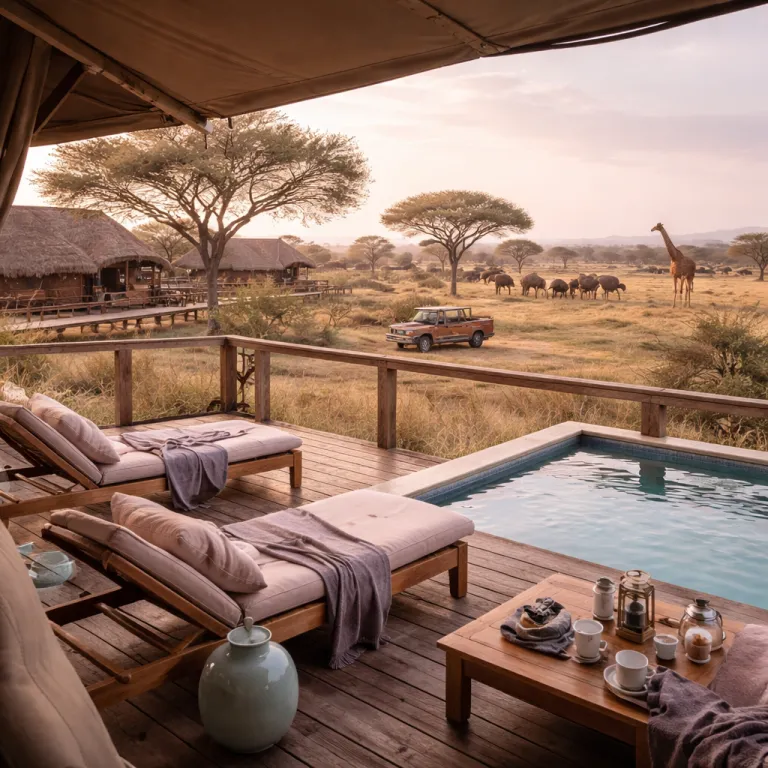
How luxury safari cost 2026 shapes your expectations
Luxury safari cost 2026 is no longer a mystery figure whispered over travel-agency desks. Across Africa, current safari costs for couples now sit in a clear range, from mid range lodge stays at around 350 to 800 USD per person per night to ultra luxury safaris that comfortably exceed 3 400 USD pps when you factor in charter flights and private guiding. For a romantic African safari, that means your total budget will rise or fall less on the thread count of your accommodation and more on how remote the park is, how intense the game viewing is, and how many internal flights your safari travel plan requires.
Think of safari cost in tiers rather than a single scary number. At the lower end, a carefully chosen budget safari in a lesser known national park can still feel deeply luxurious, especially when a sharp local safari guide and low vehicle density give you long, quiet sightings that feel priceless. At the top end of the range, flagship luxury camps like Singita Grumeti in Tanzania or Wilderness Mombo in Botswana justify their costs through extraordinary conservation work, limited guest numbers per vehicle, and a level of personalised service that makes every person feel like the only guest in camp.
When you compare safari costs between countries, context matters more than headline rates. A 900 USD person night in a remote African national park with only three vehicles on a sighting can offer better value than a 600 USD person night in a crowded reserve where game viewing feels rushed and regulated. The key is to align your budget and expectations with the kind of African safari experience you actually want, then use transparent pricing tools, recent rate sheets from operators such as Singita (2024–2025 tariffs) and Wilderness (2024 rack rates), and expert advice to see how the high low spread of rates in each region will affect your final cost.
Mid range to ultra luxury: what each tier really buys you
For couples planning safari travel, the mid range tier is where a high quality African safari starts to feel attainable without sacrificing comfort. In Tanzania and South Africa, this usually means solidly built lodges inside or just outside a national park, with ensuite accommodation, shared game drives, and full board from around 450 to 800 USD per person per night depending on season and park fees. These safaris often include two daily game viewing activities, but drinks, premium wines, and some conservation levies may sit as extra costs on your final bill.
Step into the luxury safari bracket and the price range shifts decisively. Here, in places like &Beyond Ngala on the edge of Kruger National Park or high end concessions bordering the Serengeti, you are looking at 850 to 1 500 USD pps or more, with most safari costs wrapped into an all inclusive rate that covers meals, most drinks, and expertly guided safaris. The accommodation will feel more intimate, vehicles carry fewer guests per row, and the best guides and trackers are usually retained by these properties because they can command higher salaries and deliver a more nuanced African safari experience. As one senior guide in the Sabi Sand recently put it, “You are not just paying for a bed; you are paying for 20 years of knowing where a single leopard likes to drink at dusk.”
Ultra luxury safaris, such as a stay at Singita Grumeti or Wilderness Mombo, sit in a different financial universe again. Average rates here typically fall between 3 400 and 5 250 USD per person per night, based on 2024–2025 published tariffs, but that safari cost often includes private vehicles, top tier wines, and access to private or semi private concessions where local safari operators strictly control vehicle numbers. If you are weighing up this upper tier, use detailed regional maps, current lodge fact sheets, and up to date operator brochures to understand which parks and private reserves genuinely merit those higher costs and which simply trade on a famous name.
Country by country: how Tanzania, Kenya, Botswana and South Africa compare
Looking at luxury safari cost 2026 by country helps you build a realistic budget before you fall in love with a specific camp. Tanzania safari itineraries that combine the Serengeti with the Ngorongoro region typically range from 450 USD per person night for mid range lodges up to 1 500 USD or more for fly in luxury safaris that use remote camps on private land, according to 2024 rate sheets from several major operators. In Kenya, eco focused accommodation in conservancies bordering the Maasai Mara often sits between 400 and 600 USD pps, with costs including solar powered infrastructure, organic dining, and a per person conservation contribution that supports local communities and wildlife corridors.
Botswana and Zambia tend to occupy the upper end of the safari cost spectrum because access is almost always by light aircraft and guest numbers are deliberately kept low. In the Okavango Delta, a realistic high end bracket is 1 200 to 2 500 USD per person per night, while in Zambia’s Luangwa and Lower Zambezi national parks you can still find exceptional camps in the 700 to 1 200 USD range with world class walking safaris and boat based game viewing. For a deeper look at how one country positions itself, recent Zambia luxury safari travel reports and 2024 pricing analyses highlight why some of these African parks feel like extraordinary value despite their headline costs.
South Africa is usually the most flexible option for couples balancing safari costs with international flights and city time. You can pair a few nights in a Cape Town guesthouse with three or four nights in a private reserve bordering Kruger National Park, where mid range safari travel options start around 450 USD pps and climb to 1 800 USD or more in the most exclusive Sabi Sand concessions, based on 2024 published rack rates. For those comparing Kenya and Tanzania safari options, detailed articles on Kenya safari cost for a luxury lodge stay offer a useful counterpoint to Tanzanian pricing, especially when you factor in park fees and the cost of internal flights between parks.
Seasonality, park fees and the hidden layers of safari costs
Once you understand the broad range of luxury safari cost 2026, seasonality becomes your most powerful lever. Peak months in most African national parks coincide with dry seasons, when vegetation is low and game viewing is at its easiest, and rates in this window can be 30 percent higher than in shoulder or green seasons, according to 2024 dynamic pricing data from several lodge groups. In Tanzania and Kenya, that means the most expensive safari costs cluster around the main migration periods, while in South Africa and Namibia the high low swing tracks local winter months when animals concentrate around water.
Hidden costs can quietly inflate your safari budget if you do not interrogate the fine print. Park fees and conservation levies are sometimes included in the per person night rate, but in other cases they are charged separately per person per day and can add 50 to 150 USD or more to what seemed like a low advertised cost. Transfers between camps, especially when they involve charter flights, also matter; international flights are generally not included in safari costs, and light aircraft sectors between remote parks can rival a long haul ticket if you string several together.
Then there are the softer but still significant layers of safari travel expenditure. Gratuities for guides, trackers, and camp staff can add 20 to 40 USD per person per day, while visa fees and comprehensive travel insurance for an African safari should be built into your planning from the outset. To keep control, ask every lodge or operator to specify exactly what the pps rate includes, how park fees are handled, and whether there are any seasonal promotions such as stay four pay three offers or waived single supplements that will reduce your overall safari cost.
What is really included in a luxury safari rate
One of the defining features of luxury safari cost 2026 is how much value is bundled into the nightly rate. At the premium end of the market, a typical per person night charge includes accommodation, all meals, twice daily game viewing activities, and often a generous selection of drinks, with only ultra premium wines and spirits sitting as extra costs. In many African safari lodges, park fees and conservation levies are also folded into the rate, which simplifies budgeting but can make the initial price look higher than a seemingly low local safari offer that itemises every line separately.
The dataset we work with confirms this pattern clearly: "What is included in luxury safari packages?" and the answer, "Typically includes accommodation, meals, game drives, and park fees." For couples, that means you can treat the lodge as an all inclusive base where your main decisions each day revolve around whether to join the morning drive, opt for a guided walk, or linger over coffee while elephants drift past camp. When comparing safaris, ask whether laundry, in room mini bars, and private dining experiences are included, because these small details can significantly affect your perception of value at different cost levels.
Mid range and budget safari options often strip back some of these inclusions to keep the pps rate competitive. Drinks may be charged on consumption, game drives might be limited to one long outing per day, or you may share vehicles with more guests, which can subtly change the feel of each person’s experience. None of this is inherently negative; the key is to match your expectations and your budget to the specific structure of each safari cost, so you are never surprised by a bill and always clear on what your chosen level of luxury actually buys you.
Value versus price: when paying more genuinely changes the experience
Talking honestly about luxury safari cost 2026 means admitting that price and experience do not always rise in perfect harmony. Paying double the safari cost does not automatically mean double the wildlife, but it often buys you fewer vehicles at sightings, more flexible guiding, and access to private land where rules can be adapted for longer stays with predators or after dark game viewing. In remote African concessions, that extra budget also supports anti poaching teams, habitat restoration, and long term partnerships with local communities that keep national parks viable for future generations.
Where higher costs make the most tangible difference is usually in three areas: guiding, exclusivity, and logistics. The best guides in Tanzania, South Africa, and Botswana tend to gravitate toward lodges that can afford to invest in their training and retain them over many seasons, which means your person night rate is partly funding deep expertise that turns a simple safari into a layered natural history lesson. Similarly, flying between parks on small aircraft rather than driving long distances on rough roads will raise your overall safari travel budget, but it also gives you more time in camp and less fatigue, which matters on a short romantic escape.
There are, however, moments when a modestly priced local safari in a less famous park can deliver a richer experience than a marquee name at the top of the range luxury spectrum. A low density reserve in Zambia or Namibia, with just a handful of vehicles and a passionate owner guide, can feel more special than a crowded icon where you queue for sightings, even if the nightly pps rate is half. The smartest way to approach safari costs is to decide where price genuinely changes your experience and where it only upgrades the furniture, then allocate your budget accordingly across countries, parks, and styles of accommodation.
Key figures behind luxury safari pricing
- Average nightly rates at flagship luxury lodges such as Singita Grumeti, &Beyond Ngala, and Wilderness Mombo currently sit between 3 400 and 5 250 USD per person per night, illustrating the upper tier of luxury safari cost 2026 in Africa according to 2024–2025 pricing guides and published rate sheets from these operators.
- Independent analyses from operators like Martin Meyer, Tukutane, and African Safari Mag show that across Africa, mid range safaris typically cost 350 to 800 USD pps, while ultra luxury safaris can exceed 3 400 USD per person per night when charter flights and private guiding are included.
- In Tanzania, budget camping safaris usually range from 250 to 400 USD per person per day, mid range lodge safaris from 450 to 800 USD, and luxury fly in itineraries from 850 to 1 500 USD or more, providing a clear high low spread for different styles of safari travel.
- Green or shoulder season promotions in many African national parks can reduce published rates by 30 percent or more, with common offers including stay four pay three nights and the removal of single supplements for solo travelers.
- Park fees and conservation levies can add 50 to 150 USD per person per day to the apparent cost of a safari, which means a transparent breakdown of inclusions is essential when comparing offers across Tanzania, Kenya, Botswana, and South Africa.
FAQ about luxury safari cost and planning
What is usually included in a luxury safari rate ?
Most luxury safari rates include accommodation, all meals, scheduled game drives, and often park fees or conservation levies, creating a largely all inclusive experience. Premium drinks, spa treatments, and private activities may be extra costs, so always request a written list of inclusions. This clarity lets you compare safari costs across different lodges and national parks without hidden surprises.
Are international flights part of safari package prices ?
International flights are generally not included in safari costs, even at the highest levels of luxury. Your per person night rate usually covers only what happens from the moment you reach the regional hub or are met by a local safari operator. When planning your budget, price long haul flights separately and remember to add any light aircraft transfers between parks as a distinct line item.
How far in advance should I book a luxury safari ?
For peak season in sought after African parks, it is wise to book your safari travel 6 to 12 months in advance. This is especially true for small luxury camps in Tanzania, Botswana, and South Africa, where there may be only eight to twelve suites and repeat guests often reserve the same dates each year. Early booking also gives you the best chance of securing lower pps rates before dynamic pricing models adjust to rising demand.
How can I keep safari costs under control without sacrificing experience ?
To manage luxury safari cost 2026, focus on season, location, and length of stay rather than chasing the absolute lowest rate. Traveling in shoulder season, choosing a slightly less famous national park, and spending more nights in fewer camps can reduce transfer costs while deepening your connection to one landscape. Ask operators to propose a mid range itinerary that still prioritises strong game viewing and high quality guiding over unnecessary frills.
Is a higher price always a sign of a better safari ?
A higher safari cost often reflects remoteness, exclusivity, and operational expenses, but it is not a guarantee of a better experience for every person. Some mid range lodges in excellent wildlife areas deliver outstanding value, especially when they invest heavily in guiding and conservation rather than pure design. The best approach is to read detailed, independent reviews, look closely at what is included in the pps rate, and decide where extra spending will genuinely enhance your time in Africa.