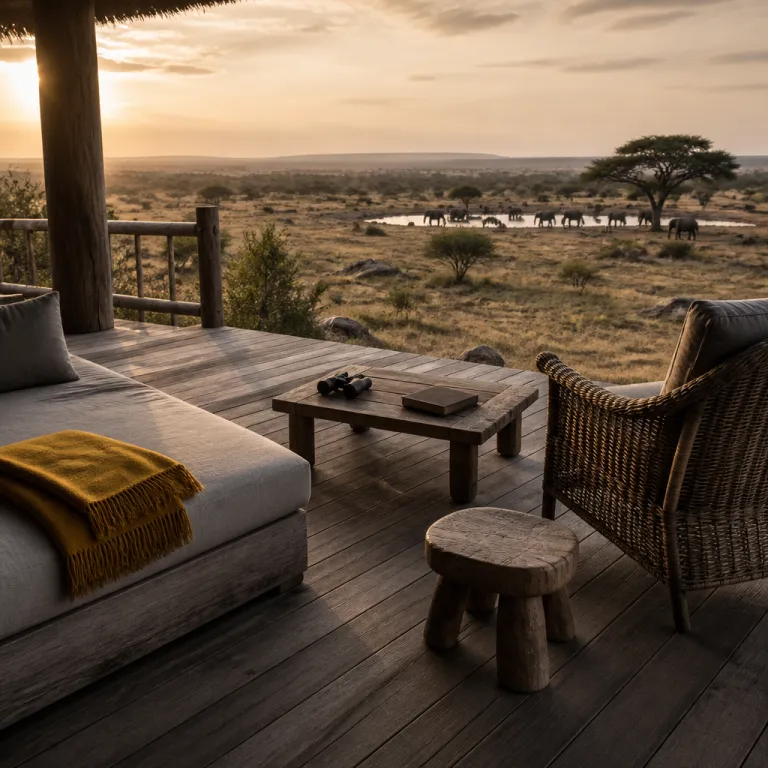
Multigenerational safaris in Africa: how to plan a luxury family adventure
Why a multigenerational safari in Africa suits every generation
A carefully planned multigenerational safari in Africa brings grandparents, parents, and children into the same wild narrative. This kind of African safari blends slow time together with high impact wildlife viewing, giving every age group a meaningful role in the shared travel story. When you choose a luxury safari lodge that understands family dynamics, the entire family safari becomes less about logistics and more about connection.
Specialist operators such as African Travel, Inc. have seen a clear rise in demand for this kind of safari experience. Their focus on personalized tours across East Africa and Southern Africa means your family will not be squeezed into a generic tourism template, but guided through national parks at a pace that respects both toddlers and teenagers. From the first planning call, they map out safari experiences that align with school holidays, mobility needs, and the quiet hours older guests may prefer beside a lake or in a shaded park garden.
One of the main reasons to visit Africa with several generations is the way wildlife encounters become shared milestones. A first elephant sighting on a game drive feels different when a grandparent explains how they once visited the same national park as a young adult, turning wildlife viewing into a living family archive. Around the fire that evening, a glass of South African wine for the adults and hot chocolate for the children can turn the day’s safari stories into treasured family legends.
Families often ask whether these tours are genuinely family friendly or simply rebranded adult trips. The answer lies in the details of each safari experience, from child sized binoculars for bird watching to flexible meal times that respect younger bedtimes. When a lodge team anticipates these needs, the multigenerational itinerary feels effortless rather than exhausting.
Expert guidance is essential when different generations share the same 4x4 on long game drives. African Travel, Inc. and similar specialists use custom safari vehicles, safety equipment, and reliable communication devices to ensure that every national park excursion balances excitement with security. Their approach reflects a wider movement in African tourism, where conservation priorities and guest comfort now sit side by side in the design of each safari destination.
Practical planning snapshot for multigenerational safaris
Before you confirm dates, create a simple checklist that covers: (1) mobility levels and medical needs for each traveller, (2) preferred room layouts such as interleading suites or two bedroom villas, (3) minimum ages for game drives, walking safaris, and hot air ballooning, (4) typical lead times for permits and peak season availability, and (5) a shared packing list including neutral coloured clothing, sun protection, light layers for cool mornings, and compact binoculars for children. A short video call with a specialist planner using this list as a guide can quickly reveal which destinations and lodges will genuinely suit every generation.
Designing a luxury safari itinerary that works for all ages
Thoughtful design is what turns a standard African safari into a seamless multigenerational journey. The planning phase should begin with a clear conversation about mobility, attention spans, and the kind of wildlife viewing each generation hopes to enjoy. From there, a specialist can shape tours that combine gentle game drives, relaxed lake cruises, and optional trekking for more active guests.
For younger children and older relatives, shorter game drives at cooler times of day usually work best. Midday can be reserved for pool time, shaded reading, or quiet bird watching from the deck, while more energetic family members head out on guided walks or light trekking near the lodge. This staggered rhythm allows everyone to share core safari experiences at dawn and dusk, yet still tailor the day to individual energy levels.
Accommodation choice is central to a truly family friendly luxury safari. Look for lodges that offer interleading suites or family villas, so parents can stay close to children without sacrificing privacy or comfort. Properties that provide flexible dining, child focused activities, and gentle cultural interactions with the local community tend to create the richest safari experiences for all ages.
When you use a premium booking website dedicated to safari destinations, pay attention to how clearly it explains room configurations and age policies. A trustworthy platform will highlight whether a lodge accepts children on game drives, offers private vehicles for a family safari, or provides early dinners for younger guests. For deeper guidance on structuring days and nights around different generations, consult resources such as this guide to creating unforgettable family memories through safari lodge booking.
Dining can be another elegant way to weave generations together on an African safari. Adults might enjoy a curated wine pairing under the stars, while children roast marshmallows at the same fire, listening to stories about conservation and wildlife from their guide. These shared meals transform a simple visit into a layered travel experience, where every generation feels both indulged and included.
Finally, consider pacing across the broader itinerary, not just within a single park. Combining two or three national parks with different ecosystems, such as a classic savannah reserve followed by a lake based wetland, keeps the family adventure fresh without constant packing and unpacking. A well balanced route will always leave room for rest days, spa treatments, and unstructured time, which are as vital to luxury as any high thread count linen.
Choosing safari destinations and lodges with genuine family credentials
Not every property marketed for families truly delivers a refined family safari. When planning a multigenerational trip to Africa, focus on safari destinations and lodges with proven experience in hosting several generations at once. These places understand that a luxury safari for a couple on a honeymoon differs from the needs of grandparents traveling with young children.
Start by examining how a lodge structures its game drives and other safari experiences. Properties that offer private vehicles for a family safari allow you to adjust wildlife viewing to your group’s pace, whether that means lingering longer with a herd of elephant or returning early for a nap. Ask whether guides are trained to engage children with tracking activities, simple conservation lessons, and age appropriate explanations of animal behaviour.
Facilities matter, but authenticity matters more. A lodge with a pool yet no meaningful connection to its surrounding community or national park may leave your family with pretty photos but shallow memories. By contrast, a property that supports local schools, employs guides from nearby villages, and contributes to conservation projects will give your family a richer, more responsible safari experience.
When comparing options on a luxury and premium booking website, look for detailed descriptions of family friendly policies rather than vague promises. Clear information about minimum ages for game drives, child minding services, and flexible dining shows that the lodge has thought carefully about multigenerational needs. For a curated list of properties that balance real bush credentials with comfort, explore this selection of family safari lodges with genuine wilderness character.
Geography also shapes the success of a multigenerational itinerary. East Africa offers iconic national parks such as Kenya’s Maasai Mara and Tanzania’s Serengeti, where sweeping plains and dramatic river crossings captivate all ages. Southern Africa, with destinations like South Africa’s Kruger National Park and Botswana’s Okavango Delta, often provides more malaria free options and shorter internal flights, which can be kinder to older relatives and very young children.
Consider including at least one lodge near a lake or river, where boat based wildlife viewing can offer a gentler alternative to bumpy tracks. Calm cruises allow grandparents to enjoy bird watching and hippo sightings while children learn to identify tracks along the shore. This variety of safari experiences keeps every generation engaged without overwhelming anyone with constant movement.
Uganda, gorilla trekking, and soft adventure for active families
For families seeking a touch of adventure within a carefully managed framework, Uganda can be a compelling chapter in a wider African safari. The country’s national parks combine classic savannah wildlife viewing with forest based gorilla trekking, creating a layered travel narrative. Tours in Uganda work particularly well when active adults and older teenagers want trekking, while younger children and grandparents enjoy gentler activities nearby.
Gorilla trekking in Uganda is a demanding yet deeply rewarding safari experience, best suited to physically fit family members. While part of the family hikes through the forest with expert rangers, others can enjoy relaxed game drives, bird watching, or cultural visits in the surrounding community. Reuniting in the evening, each generation brings different stories to the dinner table, enriching the overall family safari.
Specialist operators often design combined Uganda tours that include both gorilla trekking and time in more traditional safari destinations. For example, a family might begin with wildlife viewing and boat trips on a lake in Queen Elizabeth National Park, then move to Bwindi Impenetrable National Park for the trekking component. This structure allows the itinerary to balance effort and ease across the travel period.
When considering tours in Uganda, pay close attention to altitude, trail difficulty, and transfer times between parks. A luxury safari planner will suggest charter flights or shorter road segments where possible, reducing fatigue for older relatives. They will also coordinate permits, porters, and appropriate gear for gorilla trekking, ensuring that the experience feels challenging yet safe for those who choose to participate.
Families who prefer softer adventure can still enjoy Uganda’s national parks without committing to strenuous trekking. Gentle boat safaris, relaxed game drives, and guided walks near the lodge offer abundant wildlife encounters, from elephant herds to prolific birdlife. In these settings, children can learn how conservation supports both wildlife and the local community, turning tourism into a meaningful classroom.
On a premium booking website, look for Uganda tours that clearly outline which activities suit which age groups. Transparent descriptions of walking distances, vehicle types, and lodge facilities help you match each part of the African safari to the right generation. This clarity is central to a thoughtful multigenerational approach, where informed choices protect both comfort and safety.
Elevating the experience with hot air safaris, night drives, and fine dining
Once the core structure of your multigenerational safari itinerary is in place, you can begin to layer in special experiences. Hot air balloon safaris at dawn, private bush breakfasts, and stargazing sessions can turn a classic African safari into a once in a lifetime family celebration. The key is to choose enhancements that suit multiple generations rather than a single thrill seeker.
Hot air balloon flights over East Africa’s great plains, for example, tend to appeal to teenagers and adults who appreciate both the gentle adventure and the sweeping views. Grandparents who prefer to stay on the ground can still enjoy the spectacle from a scenic viewpoint, followed by a shared champagne breakfast on the savannah. This way, the hot air element becomes part of the collective safari experience, not an isolated activity.
Night drives and after dark activities require particular care when several generations are involved. Before booking, read in depth guidance such as this resource on night drives, star beds, and predator tracking, then discuss options with your safari planner. Some lodges offer gentle early evening drives suitable for children, while others focus on more intense predator sightings better suited to adults and older teenagers.
Culinary experiences can be tailored just as carefully as game drives. Many luxury safari lodges now offer tasting menus with regional wine pairings for adults, alongside simpler, familiar dishes for younger guests. When chefs incorporate local ingredients and explain their origins, meals become a subtle introduction to the surrounding community and its food culture.
Wellness elements can also enhance a multigenerational journey. Spa treatments for grandparents, yoga sessions for parents, and nature based play for children allow each generation to unwind in their own way between wildlife viewing activities. These quieter moments of rest are as important to the overall safari experience as any dramatic game drive.
Throughout these enhancements, safety and comfort remain non negotiable. Reputable operators use custom vehicles, trained guides, and clear communication to ensure that every added activity respects the limits of the youngest and oldest guests. This disciplined approach reflects the broader evolution of African tourism, where luxury now means thoughtful care as much as visual spectacle.
Safety, conservation, and community: the ethical heart of family safaris
The most memorable multigenerational safaris share a common thread: they place safety, conservation, and community at the centre of every decision. When several generations travel together, risk management becomes even more critical, from vaccination checks to vehicle standards. Responsible operators guide families through these steps long before anyone boards a plane.
Before departure, consult with medical professionals about vaccinations and health precautions for each age group. Pack appropriate clothing for both heat and cool evenings, including sun protection and layers for early morning game drives. Families are also advised to respect local customs and stay hydrated throughout their African safari, simple measures that significantly improve comfort and wellbeing.
Ethical considerations extend far beyond personal safety. Choosing lodges that support conservation initiatives and invest in their surrounding community ensures that your tourism spend contributes positively to the places you visit. This might include anti poaching projects, education programmes, or sustainable employment for local residents, all of which can be explained to children as part of the broader safari experience.
During the safari, guides play a crucial role in modelling respectful behaviour toward wildlife and people. They will maintain appropriate distances from animals, avoid crowding sightings, and explain why certain areas of a national park are off limits to vehicles. These practices show younger generations that an African safari is not a theme park ride, but a privilege that comes with responsibilities.
Families often ask practical questions about this style of travel, and expert operators answer them directly. “What is a multigenerational safari?” and “Are these safaris safe for children?” sit alongside “How to plan a family-friendly safari?” in early planning conversations, and the responses shape both expectations and packing lists. Clear communication at this stage helps every family member feel informed, respected, and excited about the journey ahead.
Industry data from organizations such as the Adventure Travel Trade Association indicates an increase in family and multigenerational safari bookings, reflecting a broader rise in personalized travel and a focus on immersive experiences. This trend has encouraged lodges and tour operators to refine their safety measures, invest in better training, and design more nuanced family friendly programmes. For families, the result is a richer, more responsible way to experience Africa’s national parks and wildlife together.
Key statistics on multigenerational safaris and family travel
- Adventure travel surveys report that family and multigenerational trips rank among the fastest growing segments in experiential tourism worldwide, with safari destinations in Africa featuring prominently in traveller wish lists (Adventure Travel Trends Snapshot, 2023).
- Many specialist operators now programme safaris year round, structuring planning, booking, travel, safari experience, and return phases to align with school holidays and seasonal wildlife patterns.
- Travel industry reports note that families increasingly prioritise meaningful experiences over material gifts, with multigenerational journeys such as African safaris cited as a preferred way to celebrate milestones and spend time together.
- Conservation focused lodges in national parks increasingly allocate a portion of revenue to community projects, with some properties directing several percent of each booking to local education or anti poaching initiatives, as reported in annual lodge impact statements.
Sample 10 day multigenerational safari itinerary
Day 1–2: Fly into Johannesburg and connect to Skukuza in Kruger National Park (about a 1 hour domestic flight, followed by a 30–45 minute road transfer to the lodge). Settle into interleading suites, enjoy an afternoon game drive on arrival day, and a gentle morning and late afternoon drive on day two.
Day 3–4: Road transfer of roughly 3 hours to a private reserve bordering Kruger for a quieter setting and the option of a private vehicle. Younger children enjoy pool time and short drives, while active adults join a 1–2 hour guided bush walk close to camp.
Day 5–6: Fly from Kruger to Livingstone via Johannesburg (total travel time usually 5–6 hours including connections), then transfer 30 minutes by road to a lodge on the Zambezi River. Boat cruises, bird watching, and a daytime visit to Victoria Falls offer softer adventure for all ages.
Day 7–9: Short regional flight of about 1 hour to a Botswana safari airstrip, followed by a 20 minute game drive transfer to camp in the Okavango Delta. Mix mokoro (dugout canoe) excursions, gentle boat safaris, and classic game drives, with midday rest for grandparents and children.
Day 10: Morning at leisure before a light aircraft transfer back to Maun (approximately 30–45 minutes) and onward international flights. This structure balances travel days with at least two nights in each destination, keeping the pace manageable for every generation.
FAQ about multigenerational safaris in Africa
What is a multigenerational safari in Africa ?
A multigenerational safari in Africa is a carefully planned journey that brings grandparents, parents, and children on the same African safari, using tailored itineraries, private guides, and family friendly lodges to meet different needs. These trips balance wildlife viewing, cultural encounters, and rest time so that every generation can participate comfortably. The result is a shared travel narrative that strengthens family bonds while exploring Africa’s national parks.
Are multigenerational safaris safe for children ?
When arranged with reputable operators and suitable lodges, multigenerational safaris are considered safe for children. Safety measures include age appropriate game drives, secure vehicles, trained guides, and clear lodge policies about where children may move unaccompanied. Families should also follow medical advice on vaccinations and pack suitable clothing to ensure comfort in varying temperatures.
How should we choose safari destinations for different age groups ?
Start by matching each family member’s mobility and interests to specific safari destinations and national parks. Malaria free reserves, shorter transfer times, and lodges with interleading rooms often suit younger children and older relatives, while areas offering trekking or hot air ballooning appeal to more active adults and teenagers. A specialist planner can combine these elements into a single multigenerational safari itinerary that feels coherent rather than fragmented.
Is gorilla trekking in Uganda suitable for a family safari ?
Gorilla trekking in Uganda can be an excellent component of a family safari for fit adults and older teenagers, but it is not suitable for very young children or guests with limited mobility. Families often split activities, with some members trekking while others enjoy gentler wildlife viewing, boat trips on a lake, or cultural visits near the lodge. A luxury safari planner will advise on permits, fitness requirements, and alternative activities so that every generation feels included.
How far in advance should we book a luxury multigenerational safari ?
For peak seasons and complex itineraries involving several national parks or gorilla trekking permits, booking at least twelve months ahead is advisable. Early planning secures the best family friendly rooms, private vehicles for game drives, and preferred dates for hot air balloon flights or other special experiences. It also allows time to coordinate flights, medical preparations, and any pre or post safari extensions for different family members.
Next step: once your family has agreed on preferred dates and rough budget, schedule a consultation with a specialist safari planner or use a premium booking website to request a tailored multigenerational itinerary and downloadable packing checklist. This simple step turns inspiration into a concrete plan and ensures that every generation’s needs are built into your African safari from the very beginning.
