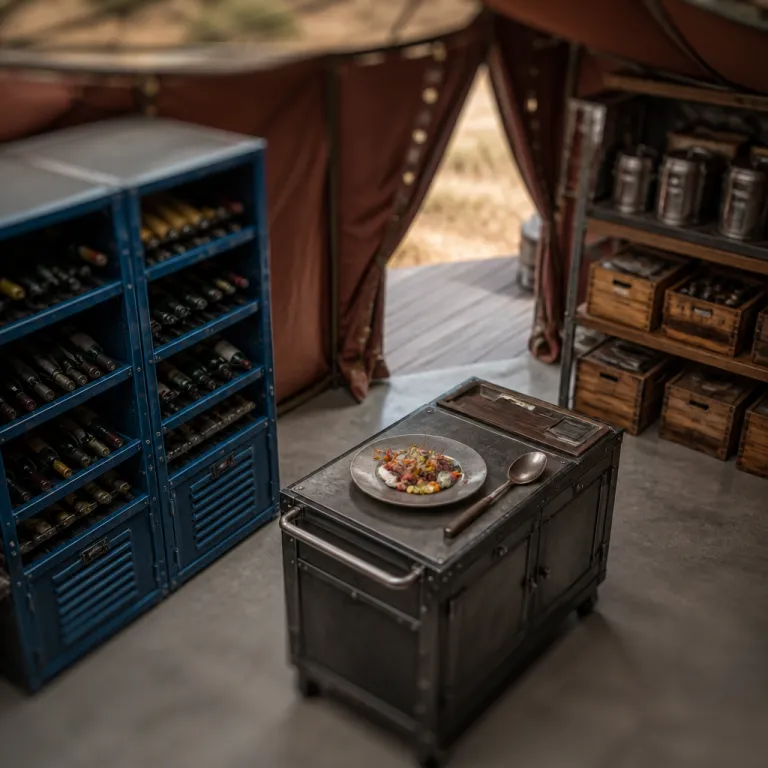
From functional fuel to the safari lodge dining bush dinner experience
Once, safari lodge dining was about calories between long game drives. Today, the safari lodge dining bush dinner experience often rivals urban fine dining, yet it still respects the rhythm of the bush and the realities of remote Africa. For a couple planning a luxury safari, the question is no longer whether a lodge can feed you well, but how its dining experience deepens your connection to the African landscape.
Across Kenya and Tanzania, serious chefs now treat every day in camp as a chance to stage thoughtful safaris on the plate, from sunrise coffee by the Mara River to late night bush dinners under acacia trees. This shift is especially clear in the new generation of tented camp properties, where a wine cellar, a foraged herb garden and a dedicated game lodge pastry kitchen sit comfortably beside solar panels and conservation labs. At Angama Mara in Kenya, for example, the team pairs lodge dining with Maasai hosted picnics on the escarpment, while in Tanzania’s Serengeti, Singita Sabora’s canvas suites sit beside a climate controlled cellar and a test kitchen for new bush dining menus.
Guests who once accepted generic buffets after a long game drive now expect nuanced lodge dining that reflects the national park they are exploring, whether that is the open plains of the Masai Mara or the red earth of Tsavo East. In Kenya–Tanzania borderlands, couples compare tasting menus as closely as they compare leopard sightings, weighing one African safari against another based on both wildlife and plate. When you browse a premium booking platform, you are really choosing between different safaris of flavor, each lodge promising its own version of bush dining and its own definition of what a perfect bush dinner should feel like.
Wine cellars in the wild: how tented camps became culinary destinations
The quiet revolution is happening in canvas, not concrete, as the most ambitious tented camp projects now open with wine cellars designed into their blueprints. New camps in Kenya and Tanzania treat a serious cellar as essential to the safari lodge dining bush dinner experience, not as an indulgent afterthought. This is where luxury safari expectations meet bush pragmatism, and where the logistics become as fascinating as the labels.
Maintaining a cellar at close to 16 degrees Celsius in a South African style tented camp pitched in 30 degree heat demands engineering, discipline and a patient supply chain. Managers talk about temperature controlled containers, insulated cellar tents and carefully timed deliveries from Nairobi or further afield, all to ensure that a pinot poured during bush dining beside a dry riverbed tastes as it would in a city restaurant. At Elewana Sand River Masai Mara, for instance, the cellar holds around 1,200 bottles at 15–17 degrees, with deliveries every two weeks during peak season and backup generators to protect champagne and cabernet during power cuts.
For couples, this means you can now plan an African safari where a vertical tasting follows an afternoon game drive, or where a cellar tour becomes part of your private dining experience. On specialist platforms, you will see notes about cellar capacity, sommelier training and whether the game lodge can handle serious champagne storage during hot days in the Masai Mara or on the rim of the Ngorongoro Crater. If you care as much about a structured cabernet with your bush dinner as you do about lions at dusk, focus your search on lodges where gastronomy is clearly positioned as a core part of the overall safari lodge dining bush dinner experience, and use in depth guides to gourmet safari dining in Africa to benchmark what is possible.
Chefs who left city kitchens for the bush
The talent behind this shift did not appear from nowhere, because many of the chefs now defining African safari cuisine once ran serious city kitchens. A growing number have traded stainless steel lines in San Francisco, London or Nairobi for open fires in Kenya and Tanzania, drawn by the creative challenge of cooking in the bush. As one industry survey on hospitality careers by the World Travel & Tourism Council notes, chefs are moving to bush camps to reconnect with nature and simplify life, and that desire is reshaping what you taste on safari.
At culinary retreats and training camps, visiting chefs practice open fire techniques, foraging and sustainable methods before committing to full time roles in a safari lodge or remote camp. The same dataset explains that the skills needed for bush camp cooking are adaptability, open fire cooking and foraging, and those abilities translate directly to a more textured dining experience for guests. At Kenya’s Ol Pejeta Conservancy, for example, former Nairobi restaurant chefs now run pop up bush dinners that showcase local beef and greens, while at &Beyond Ngorongoro Crater Lodge, the kitchen team blends classic French training with Swahili coastal flavors. When these chefs arrive in Africa, they bring city discipline to remote kitchens, yet they quickly learn that a day in the bush, with its shifting winds and unpredictable game, demands a different tempo than a night in a downtown restaurant.
Some chefs now working in East African camps embody the new bush dining mindset, where a walk after the morning game drive might yield wild herbs that appear in your dinner sauce. Others who have transitioned out of hospitality altogether illustrate how demanding this path can be, yet their legacy remains in the standards now expected at many a game lodge. For couples, the practical takeaway is simple yet powerful, because when you read a lodge profile, look for evidence of chefs who have made this move from city to camp, since their presence usually signals a more thoughtful safari lodge dining bush dinner experience and more memorable bush dinners overall.
From garden to fire: ingredients, storytelling and the rhythm of the day
What separates a merely good safari from a truly great African safari is often the way a lodge uses food to extend the narrative of the land. Many of the best properties in Kenya, Tanzania and South African reserves now maintain organic gardens, sometimes just beyond the last tented camp platform, where herbs, greens and chillies grow within sight of grazing game. Growing ingredients in such remote corners of Africa is not a romantic gesture, but a logistical necessity that supports both sustainability and flavor.
When the nearest town is a light aircraft flight away, a kitchen that can harvest tomatoes at dawn and serve them at lunch transforms the dining experience, especially over multiple days. Couples who stay three or four days in a national park quickly notice how the menu tracks the rhythm of the bush, with lighter dishes at the heat of the day and slower, smoke rich bush dinners when the air cools. In Kenya–Tanzania border regions, some lodges now offer guided walks where guests safari learn about indigenous plants, then taste them later in sauces, breads or infusions, turning each meal into a continuation of the game drive rather than a pause from it.
Food storytelling is central to this approach, as chefs explain how a Maasai herder supplied the goat for your dinner, or how a spice blend reflects coastal trade routes that shaped East Africa. At camps near the Masai Mara or the Ngorongoro Crater, you might sit beside a fire while a guide links the flavors on your plate to the migration routes you watched earlier in the day. This is where the safari lodge dining bush dinner experience becomes layered, because every course carries a piece of the park, the people and the wildlife, and every plate helps you safari learn in a way that no lecture in a game lodge lounge ever could.
The romance of bush dinners and how to book for what matters
For many couples, the image that seals the decision to book a safari lodge is not a lion, but a table set under a canopy of stars, lanterns flickering against the bush. The classic bush dinner, staged beside a dry riverbed or in a clearing away from camp, has become the most photographed moment of a stay, and the centrepiece of the safari lodge dining bush dinner experience. Yet not all bush dinners are equal, and the details matter if you want the evening to feel intimate rather than staged.
When comparing safaris across Kenya, Tanzania and South African reserves, look beyond generic promises of bush dining and ask how many guests share the space, how far you are from the main lodge and whether a dedicated chef cooks over open flames on site. Some camps in the Masai Mara or Tsavo East arrange private bush dinners for two, complete with a small wine selection brought from the cellar and a portable grill, while others host larger groups that feel more like a camp barbecue than fine dining. If you value privacy, use specialist resources that explain how to plan a private bush experience without paying a heavy single supplement, since the same principles apply when you want a secluded dinner for two.
On a premium booking website, read carefully for clues about how a property structures its days, from pre dawn coffee before a game drive to lodge dining back at camp and any optional bush dinners in the national park. Check whether the safari lodge offers flexible meal times for longer days out, whether it can cater to specific diets without diluting the sense of place and whether its tented camp or game lodge layout allows for quiet corners away from families. Above all, choose a lodge in Africa where the team speaks confidently about food, wine and the bush in the same breath, because that is where your safari lodge dining bush dinner experience will feel coherent, romantic and genuinely rooted in the wild.
FAQ
How is safari lodge dining different from city fine dining ?
Safari lodge dining takes place in remote bush settings, so chefs work with limited infrastructure, fluctuating temperatures and supply chains that may depend on small aircraft or long drives. This constraint encourages menus that highlight local African ingredients, open fire techniques and flexible timing around game drives in the national park. The best lodges deliver city level precision while keeping the experience relaxed, narrative driven and closely tied to the surrounding park or conservancy.
What should couples ask about a lodge’s bush dinner offering before booking ?
Ask how many guests typically share a bush dinner, how far the site is from the main camp and whether food is cooked on location over open flames. Clarify how the lodge handles weather changes, dietary requirements and wine service during bush dining, especially if you care about pairings as part of your dining experience. It is also worth asking how often bush dinners are offered during a stay of several days, since some properties limit them to one night in order to protect the bush and manage logistics.
Are wine cellars in tented camps reliable for serious collectors ?
Well run tented camps and game lodges now invest in temperature controlled cellar spaces, insulated storage and careful stock rotation to protect their wines. While conditions can never be as stable as a deep urban cellar, top properties in Kenya, Tanzania and South African reserves can usually store premium bottles safely for the duration of your stay. If you are a serious collector, ask about storage temperatures, backup power and how often the list is refreshed before committing to a long safari focused on wine.
Why are more chefs leaving city kitchens for bush camps ?
Many chefs are drawn to the bush by a desire to reconnect with nature, escape urban stress and explore new culinary avenues that feel more grounded. Retreats and surveys show that open fire cooking, foraging and sustainable practices are increasingly attractive to professionals who feel constrained by traditional restaurant models. This movement benefits safari guests, because it brings high level technique and creativity to remote African kitchens, raising the standard of the safari lodge dining bush dinner experience across multiple parks and regions.
Can dietary requirements be accommodated on a luxury safari without losing local flavor ?
Most luxury safari lodges and tented camps can handle a wide range of dietary needs, from vegetarian and vegan to gluten free or dairy free. The strongest kitchens plan ahead, adapting traditional African recipes and bush cooking methods to suit restrictions while still using local produce, spices and techniques. When booking, share detailed requirements early and choose properties that speak specifically about how they tailor menus over several days, not just for a single dinner.