Why a night safari game drive in Africa changes everything
The first time you leave camp for a night safari game drive in Africa, the familiar bush feels instantly altered. As the last light drains from the sky over an African national park or private game reserve, the air cools, predators sharpen, and the soundtrack shifts from birdsong to hyena whoops and lion roars carrying for kilometres. This is the time when the rarest animals move, and when a carefully guided nocturnal outing turns a classic African safari into something far more intimate.
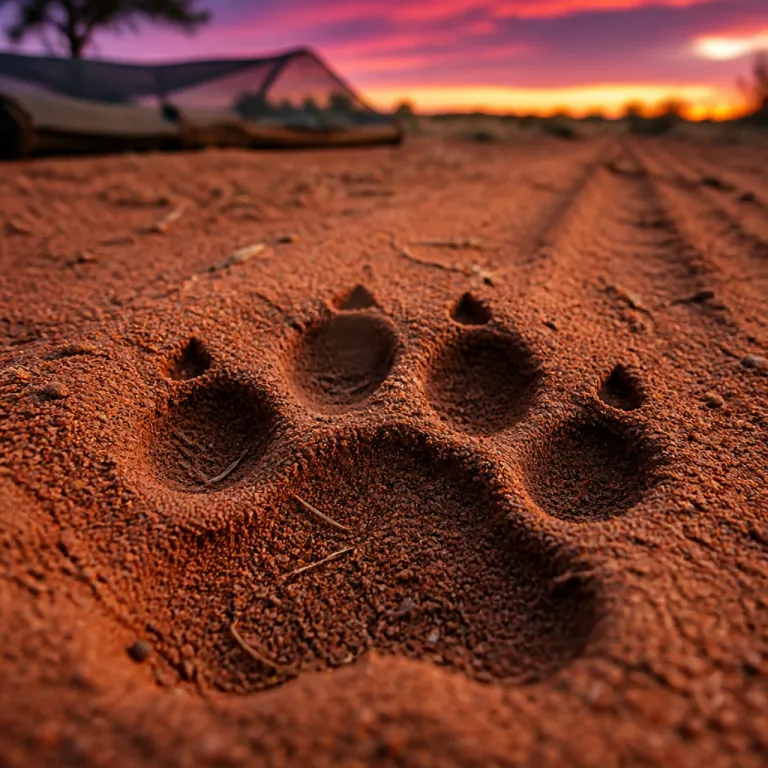
Luxury lodges in Botswana, Tanzania, and South Africa now treat night drives as signature activities rather than optional extras, because they know that up to 60% of African mammals are primarily nocturnal according to the African Wildlife Foundation (see their overview on Nocturnal Animals, which summarises activity patterns across species). On a well run after-dark excursion, your guide will ease the open 4x4 vehicle away from camp around 18:30, red-filtered spotlight ready, tracking fresh game prints and listening for alarm calls that reveal where the wildlife is hunting or hiding. These evening safaris are usually capped at small numbers, so every guest has a clean line of sight when the beam finally settles on a leopard, a pair of bush babies, or a honey badger trotting down the track.
For a solo traveler booking through a premium platform, the key decision is not just which park or which country in Africa, but which concession actually allows night drives and serious predator tracking. Many national park regulations restrict any after-dark driving to park rangers or tightly controlled, park-run vehicles, which means private game reserves bordering places like Kruger National Park or Ruaha National Park become essential if you want a true night safari experience rather than a quick spotlight on the way back to camp. Choose a lodge that treats the nocturnal safari experience as a core part of its activities, not a token add-on, and your limited time in the bush will feel exponentially richer.
Where night drives are allowed: private concessions versus national parks
One of the most misunderstood aspects of planning a night safari game drive in Africa is where you can legally leave camp after dark. In many flagship national parks, including most zones of Kruger National Park, Lake Manyara National Park, and Ruaha National Park, independent lodges are not permitted to conduct their own night drives, so guests are limited to daytime game drives or to official park-operated outings. South African National Parks (SANParks) and similar authorities publish regulations confirming that only designated park vehicles may operate after dark in core conservation areas, with a few clearly defined exceptions. That is why serious African safari enthusiasts increasingly favour private game reserves and exclusive-use concessions, where night safaris, walking safaris, and even specialist predator tracking are written into the operating rights from the start.
In South Africa, private game reserves on the western fringes of Kruger such as Sabi Sand, Timbavati, and Klaserie offer some of the continent’s most accomplished night drives, with guides who know every resident leopard and can read the bush like a book. In Botswana, concessions in the Okavango Delta and Linyanti region, including areas like the Kwando and Selinda concessions, combine afternoon game drives that roll seamlessly into a night drive, using red-filtered spotlights and sometimes thermal imaging to pick out animals without disrupting their behaviour. Tanzania’s best options sit outside the strictest national park cores, in private concessions bordering Ruaha National Park or in carefully managed areas near Lake Manyara, where lodges can offer both night game viewing and daylight walking safaris under the same conservation framework.
Solo explorers should read the fine print on any safari experience before they book, because the phrase “night safari” is sometimes used loosely for a simple late return from a sundowner. A true night safari game drive in Africa will depart camp after dark, use specialist equipment, and focus on nocturnal wildlife rather than just extending daytime game drives by an hour. For a deeper primer on low-impact bush immersion beyond the vehicle, study how serious operators structure their walking safaris in Tanzania, then look for the same level of discipline in their night drives and other activities.
What you actually see after dark: from bush babies to hunting leopards
Daytime game drives in Africa deliver the big, photogenic animals, but the bush after dark reveals a parallel cast that most travelers never meet. On a well executed night safari, the spotlight might pick up the glassy eyes of bush babies leaping between acacia branches, the low slink of a genet along a termite mound, or the armour-plated silhouette of an aardvark excavating ants beside the track. With patience and a guide who understands nocturnal wildlife, a single night drive can show you more secretive animals than three days of standard safaris.
Predator behaviour is the other revelation, because lions, leopards, and hyenas treat the night as their prime hunting time rather than a pause between siestas. In the Okavango Delta, Linyanti, and private reserves near Kruger National Park, guides often use a combination of tracking skills and radio updates to position the vehicle ahead of a stalking leopard, then cut the engine and let the drama unfold in near silence. In Tanzania’s Ruaha region and around Lake Manyara, the same night game techniques reveal lions moving through riverine bush, while in South Africa’s drier parks you may follow a coalition of cheetahs as they test the wind and the darkness.
Guides and trackers are clear that the goal is to observe, not interfere, which is why the best night drives use red-filtered spotlights and keep the beam away from prey animals’ eyes. As one Sabi Sand guide, Thabo M., tells his guests when they ask whether these outings are safe and ethical, “Our job is to witness, not to change the outcome. The light is for us, not for the lion.” For you as a guest, that means the safari experience stays focused on natural behaviour, while you sit wrapped in a blanket, listening to the night and feeling the bush close in around the vehicle.
How lodges run night drives, predator tracking, and tech forward safaris
Behind every seamless night safari game drive in Africa sits a small team of specialists who treat nocturnal wildlife as a discipline, not a sideshow. Professional guides lead from the front seat, while a tracker on the bonnet or in the back reads spoor, broken grass, and alarm calls to decide where to steer the game drive next. Conservation organisations increasingly partner with these lodges, sharing data on collared predators and sensitive animals so that night drives remain low-impact activities rather than intrusive spotlight chases.
The technical side has evolved fast, with many camps now using red-filtered or dimmable white spotlights, infrared tools, and sometimes thermal imaging scopes to locate wildlife without blinding it. Open 4x4 vehicles are standard for serious safaris, and the best operators limit guest numbers per drive so everyone can see and hear clearly when the guide cuts the engine. Some concessions in Botswana’s Okavango Delta and in South Africa’s more progressive game reserves also integrate acoustic monitoring, using distant lion roars or hyena whoops to triangulate where the action will unfold later in the night.
For solo travelers, the practical preparation is simple but non-negotiable if you want to enjoy your time in the bush. Wear warm layers, because temperatures on a moving vehicle can drop sharply after dark, use insect repellent on ankles and wrists, and always follow guide instructions when the vehicle stops or when you return to camp on foot. If you are combining intense night drives with spa time and slower days, consider a property that pairs serious guiding with wellness, such as those featured in this guide to safari lodges with spa services, so your overall safari experience balances adrenaline and recovery.
Star beds, sleep outs, and the soundscape of the African night
Not every transformative night safari game drive in Africa happens on four wheels, because some of the most powerful encounters unfold when the vehicle is parked far away and you are lying under the stars. Star beds and sleep outs have become a defining feature of high-end camps in Botswana’s Linyanti, South Africa’s Tswalu, and private conservancies in Kenya and Laikipia, where raised platforms sit several metres above the bush with an armed ranger nearby. You climb up after an early evening game drive, watch the last light fade over the park or concession, then settle into a proper bed as the wildlife soundtrack takes over.
The experience is not about seeing more animals than on standard night drives, but about feeling your place in the ecosystem with unusual clarity. Lions may roar somewhere beyond the river, hyenas whoop closer than feels comfortable, and the fiery-necked nightjar repeats its looping call until you fall asleep, while bush babies rustle in the canopy above. In the distance, you might hear hippos grunting from a channel in the Okavango Delta or elephants moving through mopane woodland near Ruaha National Park, and every sound reminds you that this is their time, not yours.
Luxury booking platforms now treat these sleep outs as a separate line item, because they require extra staff, security, and logistics, but for many solo travelers they become the single most memorable night of the entire African safari. When you return to main camp at first light, the morning game drive feels different, because you have heard the bush breathe all night rather than retreating behind canvas walls. If you are nervous about a full sleep out, start with a late-night drive followed by an hour on the deck of your tent or suite, lights off, listening to the same animals that moved around the star bed platforms earlier in the season.
Designing a bush after dark itinerary: where, when, and how long
Planning a night safari game drive in Africa as a solo explorer means thinking in terms of ecosystems rather than just country names on a map. Botswana’s Okavango Delta and Linyanti concessions excel at water-based wildlife by day and predator-rich night drives after dark, while South Africa’s private game reserves around Kruger National Park deliver dense big cat populations and highly trained guides. Tanzania’s Ruaha region and the areas around Lake Manyara offer a wilder, more remote safari experience, with fewer vehicles on each game drive and a stronger emphasis on conservation first.
Timing matters as much as location, because the southern African dry season from roughly mid-winter to early spring brings sparse vegetation, clear skies, and cool temperatures that encourage predator activity. In these months, a single three-night stay at a serious camp can include multiple night drives, one optional sleep out, and perhaps a short walking safari session at dawn to read the tracks of what moved while you slept. Around Victoria Falls and in some Zambezi valley parks, combining river-based safaris by day with night game drives on adjacent private land creates a layered itinerary that never feels repetitive.
For many travelers, the sweet spot is a ten-day African safari that links two or three regions, such as a South African private reserve for intense game drives, a Botswana delta camp for water and wildlife, and a Tanzanian concession for raw bush immersion. Each stop should offer at least one structured night safari, because repetition is what turns a single lucky sighting into a deeper understanding of how animals use the night. When you book through a curated platform, look for itineraries that explicitly mention night drives, night safaris, and predator tracking, rather than vague promises of “activities after dark” that may amount to nothing more than a drink by the fire.
Key figures and data on night safaris and nocturnal wildlife
- Approximately 60% of African mammal species are primarily nocturnal, which means a significant share of wildlife activity happens during night safaris rather than daytime game drives (African Wildlife Foundation, summary of nocturnal species behaviour in their species profiles and education resources).
- Typical guided night drives in many African camps run for about 2.5 hours, often departing around 18:30 and returning near 21:00, a pattern reflected in sample itineraries published by leading safari operators in Botswana and South Africa and in lodge fact sheets for private reserves.
- Private game reserves and concessions adjacent to major national parks such as Kruger National Park or Ruaha National Park often limit vehicles to six or eight guests per drive, a guideline echoed in lodge fact sheets and in best-practice recommendations from regional tourism bodies and conservation NGOs.
- Star bed and sleep out platforms are usually raised 3 to 5 metres above ground level, a design standard cited by several high-end camps in the Okavango Delta and Laikipia to reduce risk from large animals while still keeping guests within the natural soundscape of the bush at night.
- Dry season months in southern Africa typically offer more than 80% of nights with clear or mostly clear skies in key safari regions, according to long-term climate normals from national meteorological services in Botswana, Namibia, and South Africa, which publish regional statistics used by safari planners and lodge operators.
FAQ about night drives, star beds, and predator tracking
Are night safaris safe for solo travelers in African game reserves ?
Night safaris are considered safe when operated by experienced guides working under strict concession or national park regulations, and reputable lodges always brief guests on behaviour in vehicles and around camp. Vehicles remain open but are designed to keep a low profile, and animals generally treat them as neutral objects rather than prey or threat. Solo travelers should book with established camps that prioritise guide training, radio communication, and clear safety protocols for all night drives.
What animals am I most likely to see on a night safari game drive in Africa ?
Typical sightings on a night drive include nocturnal specialists such as bush babies, genets, civets, porcupines, and sometimes aardvarks or honey badgers, which are rarely active in full daylight. Predators like leopards, lions, and hyenas often become more mobile after dark, so guests may watch them hunt, patrol territories, or interact socially in ways that are unusual on daytime game drives. The exact mix of animals depends on the park or game reserve, with regions like the Okavango Delta, Ruaha National Park, and private reserves near Kruger National Park particularly strong for big cat activity.
Do I need to bring special equipment for night drives and sleep outs ?
Guests do not need technical equipment, because lodges provide spotlights, blankets, and any tracking tools required for the safari experience. Warm clothing, a beanie, and gloves are highly recommended, as temperatures can drop sharply on moving vehicles during night drives, especially in the dry season. For star beds and sleep outs, camps supply bedding, mosquito nets, and safety gear, so you only need personal items such as a headlamp, camera, and any medications.
Can I do night drives inside major national parks like Kruger Park or Lake Manyara ?
Most large national parks restrict independent lodges from conducting their own night drives, reserving after-dark access for official park vehicles or prohibiting it entirely to reduce disturbance. To enjoy a full night safari game drive in Africa, travelers usually need to stay in private game reserves bordering parks such as Kruger National Park or in dedicated concessions associated with areas like Ruaha National Park and Lake Manyara. When booking, always check whether the property sits inside a public park or on adjacent private land, because this distinction determines whether night safaris are legally possible.
How many nights should I plan if I want meaningful nocturnal wildlife experiences ?
A minimum of three nights in each camp gives you enough time for at least one or two night drives, a possible sleep out, and several daytime game drives to understand the broader ecosystem. Serious wildlife enthusiasts often design itineraries of seven to ten nights across two or three regions, combining places strong for predators, water-based wildlife, and walking safaris. This spread increases your chances of seeing rare nocturnal animals while still leaving time to rest, enjoy camp life, and appreciate the bush in both daylight and darkness.
Trusted references
- African Wildlife Foundation – species and behaviour profiles for nocturnal mammals, including summaries of activity patterns and conservation status
- South African National Parks (SANParks) – visitor guidelines and night-drive regulations for Kruger National Park and other reserves, outlining who may operate after dark
- Botswana Department of Wildlife and National Parks – concession rules and wildlife management policies that govern night drives in the Okavango Delta and other key areas