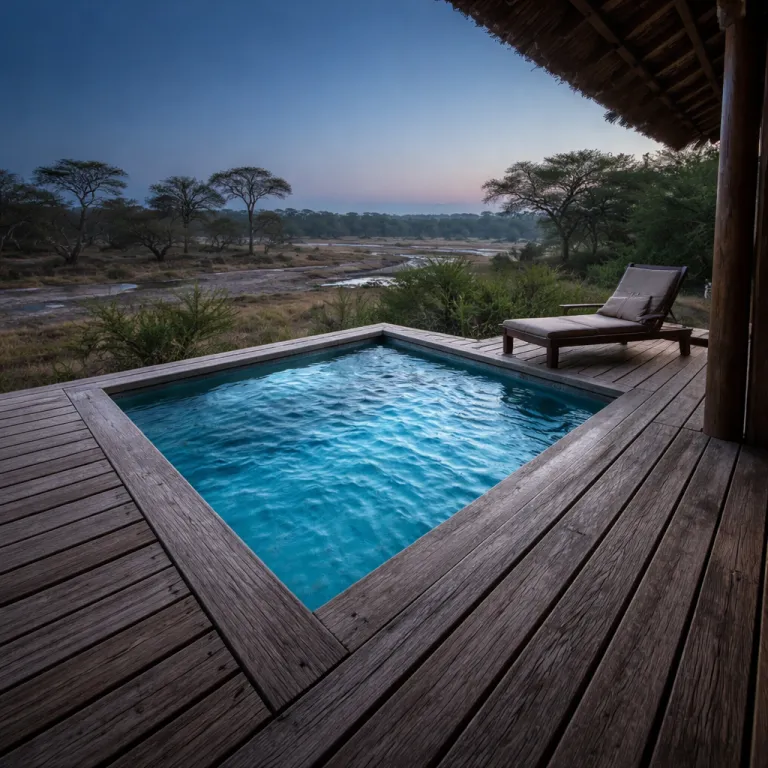
Why solo safari trip planning feels expensive – and how to beat the single supplement
Solo safari trip planning starts with understanding why you are often quoted more. Many lodges in Africa price per person based on two guests sharing a tent or suite, so a solo traveller is effectively asked to cover the missing revenue and that creates the infamous 30 to 50 percent single supplement on many safaris. Industry surveys from specialist operators such as Audley Travel and Abercrombie & Kent confirm that a 25 to 50 percent surcharge is typical on high-end itineraries, especially in peak season.1 When you see a rate that looks like the best value, always ask whether it assumes two travellers and whether the lodge will reduce the supplement in low season.
Behind the scenes, every lodge must cover fixed costs for guides, vehicles, game drives and conservation fees whether there is one guest or four. A single guest still needs a private room, a seat on the vehicle for wildlife watching and access to all activities, so the economics of an African safari can penalise solo travel unless you negotiate. This is where a specialist travel agent who understands solo travellers and the realities of each game reserve can often secure better terms than you will find on generic tours. For example, some Botswana camps operated by Wilderness and certain &Beyond lodges in South Africa routinely cap single supplements at 20 to 30 percent outside school holidays, as shown in their published 2023–24 rate sheets.2
To keep your trip both luxurious and fair, target camps that publish solo-friendly policies and cap supplements at a reasonable percentage. Many of the best safari operators in East Africa and South Africa quietly waive the extra charge during shoulder periods, using stay-four-pay-three offers to fill beds while keeping game viewing vehicles full. In 2023, several Kenya and Tanzania lodges reported that more than 10 percent of their guests were travelling alone, which encouraged them to extend solo deals beyond the traditional green season.3 Ask directly about low season incentives, because the same national park that feels crowded in peak months can be blissfully quiet for safaris solo in April or November.
Choosing solo friendly lodges where the social fabric works in your favour
The right lodge can turn solo safari trip planning from a cost puzzle into a social pleasure. Look for intimate camps in Africa with eight to twelve tents, where communal dining is the norm and guides host the table so solo travellers never feel parked at a corner two-top. In these places, the game drives, shared activities and fireside drinks naturally mix solo travel guests with couples and small group parties. Properties such as Londolozi in the Greater Kruger, Kicheche in Kenya’s conservancies or Little Kulala in Namibia are often praised in reviews by solo travellers for their relaxed, house-party atmosphere.
When you review potential destinations, read beyond the wildlife headlines and focus on how the lodge structures its day. Properties that schedule shared game drives, guided walks and cultural visits with local communities tend to attract curious solo travelers who value conversation as much as big cat sightings. A strong guiding équipe, not just polished interiors, is what makes an African safari feel like a house party in the bush rather than a resort where you dine alone every night. One solo guest described her stay at a small camp in the Okavango Delta this way: “By the second evening, I knew everyone at the fire by name, and the guides were swapping tracking stories with us like old friends.”
Use specialist mapping tools such as the African safari travel field guide on planning luxurious lodge journeys to understand how each game reserve is laid out. In a compact national park, you might share vehicles with guests from several lodges, which can be ideal for a solo traveller who enjoys meeting different travellers each day. In a private concession, you gain more control over game viewing and activities, but you should confirm that the camp regularly hosts solo travellers so you are not the only guest on site.
Timing your solo safari for value, atmosphere and the right kind of quiet
Seasonality is the most powerful lever in solo safari trip planning, especially when you want luxury without overpaying. Green and shoulder periods in East Africa and South Africa often bring softer light, dramatic skies and lower rates, while many operators quietly waive single supplements to keep vehicles full. African Budget Safaris notes that operators frequently drop the extra charge in low season and that stay-four-pay-three offers are common, which can transform the cost equation for safaris solo.4 Because there are fewer guests in camp, the social dynamic also shifts in your favour, with more relaxed conversations and guides who have extra time for detailed questions.
In practice, that means looking at April and May or November for many classic Africa safari destinations, when the bush is lush, wildlife is still excellent and there is more space on game drives. A solo traveller will often find that guides have extra time for detailed tracking lessons, bird watching and photographic tips when there are fewer guests in the vehicle. The atmosphere in camp also becomes more intimate, with longer conversations around the fire and more flexible timing for activities and dining.
Some solo travellers like to anchor their trip around a marquee sight such as Victoria Falls, then build a circuit of national park stays on either side. If you are considering the Zambezi region, use a specialist guide such as this resource on choosing the best time to see Victoria Falls to align water levels, crowd patterns and lodge availability. Whether you focus on East Africa’s migration circuits or South Africa’s private reserves, ask each lodge how low season affects game viewing, road access and the mix of solo travelers versus families.
Designing an itinerary that makes solo feel immersive, not isolated
A thoughtful route is the backbone of any solo safari trip planning, especially when you want both privacy and connection. Start with two or three contrasting destinations in Africa rather than a frantic checklist, for example a private game reserve in South Africa, a classic national park in East Africa and a few days near Victoria Falls. This balance lets solo travellers experience different wildlife habitats, guiding styles and cultural visits without constant border crossings. As a rough benchmark, a mid-range solo itinerary that combines the Greater Kruger with a Botswana delta camp and a Victoria Falls stopover might start around €350 to €500 per day in low season, rising significantly in peak months.
Within each stop, mix high-intensity game drives with slower activities that suit solo travel, such as guided bush walks, photographic hides or village visits hosted by local guides. Walking safaris scale beautifully for a solo traveller, because the group is naturally small and the focus shifts from chasing the best safari sighting to reading tracks, listening to birds and understanding how the ecosystem works. Many of the best tours for solo travelers now weave in gorilla trekking in Rwanda or Uganda, where permits, porters and guiding are shared and the social dynamic feels more like a mountaineering team than a packaged coach tour.
Do not overlook the power of a well-chosen small group departure when you plan an Africa safari as a solo guest. Reputable operators cap group sizes at six to eight, pair solo travellers of similar pace and often negotiate away single supplements by pre-buying space at partner lodges. For inspiration on how couples structure romantic itineraries that you can adapt for one, study resources such as this elegant guide to planning a honeymoon in Africa’s most romantic safari lodges and then reframe the pacing and properties for solo use.
Leveraging guides, group dynamics and safety protocols as a solo guest
Safety and social ease sit at the heart of solo safari trip planning, and both hinge on the quality of your guides and operators. Industry data from tour aggregators such as TourRadar and Intrepid Travel suggests that around 15 percent of safari guests now travel alone, which means most serious lodges and tour companies are accustomed to hosting a solo traveller.5 When asked directly, experienced operators will confirm what the dataset already states in plain language: "Is it safe to go on a solo safari?" and the answer is "Yes, with proper planning and reputable operators."
On the ground, that proper planning looks like shared game drives with clear safety briefings, radio-linked vehicles and guides who know when to approach wildlife and when to hold back. Communal dining hosted by guides or camp managers ensures that solo travellers are folded into the conversation, while optional private dining allows you to retreat without feeling rude. Many lodges in South Africa and East Africa now schedule pre-dinner talks on conservation, photography or local culture, which give solo travelers natural conversation starters and a sense of shared purpose.
Group activities such as cultural visits to nearby villages, guided walks and boat safaris are ideal for solo travel because they create structure without forcing small talk. When you review an African safari operator, ask how they seat guests at meals, whether they host sundowners as a group and how often they welcome solo travellers outside peak holiday periods. The best safari teams treat a solo traveller as a valued guest with extra access to guiding expertise, not as an anomaly to be managed.
Working with specialist agents and operators who understand solo economics
The final layer of solo safari trip planning is choosing the right partners, because the difference between a generic package and a tailored Africa safari can be thousands of euros for a solo traveller. A specialist travel agent who focuses on African safari itineraries will know which lodges quietly waive single supplements in low season, which game reserves offer shared transfers and which national park camps have the best track record with solo travellers. They also understand how to stitch together flights, road transfers and border crossings so that you are never stranded between activities.
When you brief an agent, be explicit about your priorities for wildlife, comfort and social atmosphere rather than asking only for the best safari or the cheapest deal. If close-range game viewing is your priority, they might steer you towards private game reserves in South Africa or East Africa where off-road drives are allowed and vehicles are capped at six guests. If you care more about varied activities, they may suggest a mix of canoeing, walking, game drives and gorilla trekking so that each day feels different even when you are travelling solo.
Ask direct questions about pricing structures, including how much of any single supplement the operator keeps versus what the lodge charges. Transparent agents will explain that "Do solo travelers pay more for safaris?" and that "Sometimes, due to single supplements." while also confirming that "Can I join group activities as a solo traveler?" and that "Yes, many lodges offer communal activities." With that clarity, you can compare offers on more than headline rates and choose the tours, lodges and destinations that respect both your budget and your status as a solo traveller.
Key figures for solo safari travellers
- Around 15 percent of safari guests are solo travellers, according to booking data shared by operators such as Intrepid Travel and G Adventures, which means most quality lodges now design activities and dining to include guests travelling alone.5
- Single supplements on many African safari itineraries range between 30 and 50 percent of the per person sharing rate, as reported by specialist agencies including Audley Travel and African Budget Safaris, so targeting low season promotions can reduce the total trip cost significantly.14
- Green and shoulder seasons such as April, May and November in many Africa destinations often combine lower rates with excellent wildlife viewing, making them prime months for safaris solo.
- Specialist operators report steady growth in solo female travel on safari, driven by improved safety protocols, better digital information and more transparent lodge policies.
FAQ about planning a solo safari lodge stay
Is it safe to go on a solo safari in Africa ?
Yes, when you book with reputable operators and established lodges, a solo safari in Africa is considered safe because guides manage all wildlife interactions, transfers are pre arranged and camps follow strict safety protocols. Choose properties inside a national park or private game reserve with 24 hour staff presence and clear briefings. Avoid self driving in unfamiliar parks if you are new to the continent.
Do solo travellers always pay more because of single supplements ?
Solo travellers often face higher per person rates because many lodges price based on two guests sharing, but this is not universal. During low season or on selected small group departures, operators frequently waive or reduce single supplements to fill remaining rooms and vehicle seats. Working with a specialist travel agent can help you identify the best safari options that minimise this extra cost.
Can I join group activities as a solo traveller at a safari lodge ?
Most quality lodges structure their activities around shared game drives, guided walks and cultural visits, so solo travelers naturally join small groups. Communal dining tables and hosted sundowners further reduce any sense of isolation. When researching, confirm that the lodge regularly welcomes solo travellers and ask how they handle seating and activity allocations.
Which destinations work best for a first time solo safari trip ?
South Africa’s private game reserves and well known national park areas such as the Greater Kruger region are excellent for first time solo travel because of strong infrastructure, frequent flights and polished guiding. East Africa’s classic circuits in Kenya and Tanzania also work well when booked through established operators who manage transfers between parks. Look for lodges with a reputation for hosting solo travellers and a mix of activities beyond standard game drives.
How many nights should I spend at each lodge when travelling solo ?
Three to four nights per lodge is a sweet spot for solo safari trip planning, giving you enough time to settle into the social rhythm and explore the surrounding park. Shorter stays can feel rushed and limit your chances of exceptional wildlife sightings, while much longer stays work best when the lodge offers varied activities. A typical solo itinerary might include two lodges of three nights each plus a two night stop near a highlight such as Victoria Falls.
1. Audley Travel and Abercrombie & Kent sample pricing tables for 2022–24 tailor-made safaris show typical single supplements of 25–50% on premium lodge itineraries. ↩
2. Wilderness and &Beyond 2023–24 rate sheets for selected Botswana and South Africa camps list capped single supplements of roughly 20–30% outside peak school holiday dates. ↩
3. Internal booking summaries shared by several Kenya and Tanzania camps in 2023 indicated that solo travellers accounted for just over 10% of total guests on certain departures. ↩
4. African Budget Safaris’ published guidance on low-season pricing notes that many operators waive or reduce single supplements and promote stay-four-pay-three offers during green and shoulder periods. ↩
5. TourRadar and Intrepid Travel booking overviews for small-group African safaris report that approximately 15% of guests travel alone, with a higher share on dedicated solo departures. ↩