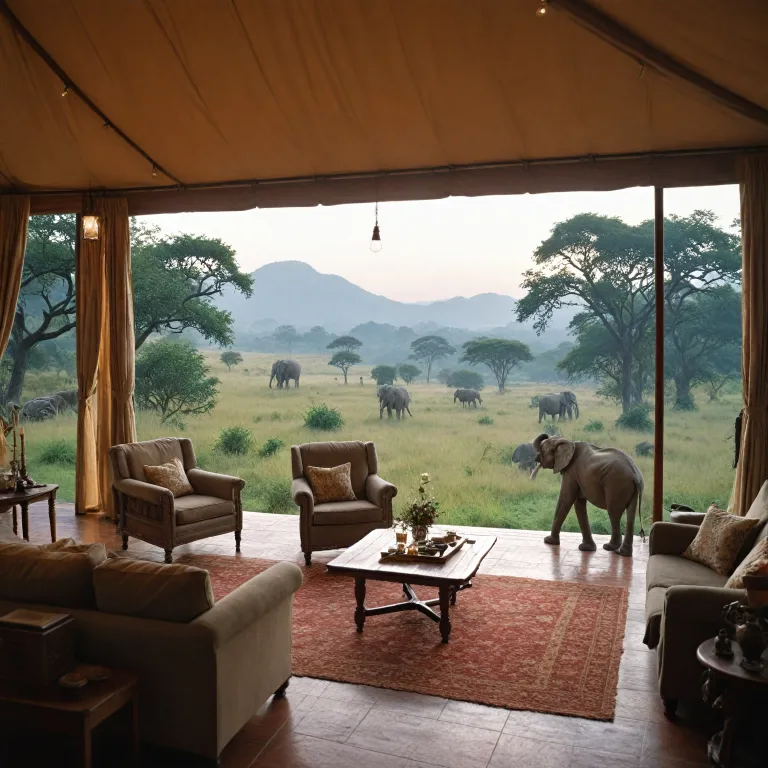
How the best time to visit Uganda shapes a luxury safari
Choosing the best time to visit Uganda is the single most important decision for a luxury safari guest. The country’s position in equatorial Africa creates a surprisingly nuanced pattern of dry and wet season changes, which directly influence wildlife viewing, gorilla trekking conditions, and the overall feeling of exclusivity in the parks. For travelers using a premium booking website for safari lodges, understanding how each month affects weather, wildlife, and availability is essential to align expectations with reality.
Uganda offers rewarding safari experiences throughout the year, yet the dry season windows are widely regarded as the best time for classic game viewing and gorilla trekking. During these dry seasons, wildlife concentrates around water sources in each national park, making sightings in leading parks and reserves such as Murchison Falls and Queen Elizabeth more predictable and visually dramatic. Luxury travelers planning to visit Uganda should therefore consider how the timing of their trip interacts with lodge availability, private guiding options, and the specific national park ecosystems they wish to explore.
From a premium perspective, the best time to visit Uganda is not only about the weather but also about the rhythm of guest flows and the level of personalized service. High demand in the dry season means that a Uganda safari booked through an upscale platform requires early trip planning, especially for gorilla trekking permits and top tier suites. By contrast, the wet season can offer quieter parks, more flexible time visit options, and attractive value for guests who prioritize privacy and atmosphere over guaranteed dry trails.
Dry season versus rainy season for Uganda safari lodges
For many visitors, the best time to visit Uganda aligns with the main dry season periods, when rainfall is lower and safari logistics are smoother. In practice, the long dry season typically spans from December to February, while another dry season occurs from June to August, and both windows are considered a particularly good time for wildlife viewing. During these dry seasons, road access to remote parks reserves is more reliable, grasses are shorter, and wildlife congregates around rivers and waterholes, which is ideal for photography focused safaris.
Luxury lodges and premium booking platforms often highlight the dry season as the best time for a Uganda safari because it supports seamless transfers, scenic bush flights, and comfortable game drives. The average temperature in the dry season hovers around 25 °C, which feels pleasantly warm on open vehicle safaris in each national park. However, guests should still expect some rain in this equatorial country, as even the dry season can bring localized showers that refresh the landscape and enhance the colors of Africa’s iconic savanna.
The rainy season, which includes the heavier rains from March to May and the shorter wet season from around September to November, offers a different but compelling perspective on visiting Uganda. Landscapes in every park become lush and intensely green, birdlife is exceptional, and some luxury lodges offer attractive rates for guests willing to travel at this time. For travelers using a high end booking website, the rainy season can be the best time to visit Uganda if they value tranquility, softer light for photography, and the chance to experience national parks with fewer vehicles on the tracks.
Gorilla trekking seasons and the timing of permits
For many travelers, the best time to visit Uganda is defined by the optimal conditions for gorilla trekking in Bwindi Impenetrable National Park and Mgahinga. The dry season months of December to February and June to August are widely regarded as the best time for gorilla trekking because trails are less muddy and steep slopes are more manageable. In these dry seasons, the forest floor in the impenetrable national landscapes is firmer, which is particularly important for guests who prefer a more comfortable level of physical challenge during their Uganda gorilla experience.
Because the best time to visit Uganda for gorilla trekking coincides with peak demand, a luxury or premium booking website must emphasize early trip planning. The Uganda Wildlife Authority issues a limited number of gorilla trekking permits each day, and it is recommended to book gorilla trekking permits at least 4 to 12 months in advance due to high demand during peak seasons. This is especially true for travelers targeting specific time visit windows such as December February or the popular mid year dry season, when many international tourists are visiting Uganda for multi park safaris.
That said, some travelers intentionally choose the shoulder or wet season for their Uganda safari to secure more flexible dates and a quieter atmosphere on the trails. During the rainy season, gorilla families may sometimes feed at slightly lower altitudes, which can occasionally shorten trekking times in the park, although mud and slippery paths remain a factor. A knowledgeable tour operator or a curated guide Uganda resource on a premium platform can help guests weigh the trade offs between dry season comfort, wet season solitude, and the overall best time to visit Uganda for their personal fitness level and expectations.
Regional weather patterns across Uganda’s national parks
While the best time to visit Uganda is often discussed in broad national terms, regional variations between parks are crucial for luxury safari planning. Murchison Falls National Park in the northwest, for example, tends to be hotter and drier than the elevated forests of Bwindi or the crater dotted landscapes of Queen Elizabeth National Park. This means that a single Uganda safari itinerary can include very different weather profiles in the same month, which a premium booking website should clearly explain during trip planning.
In the central and western regions, the dry season remains the best time for classic big game safaris, with easier access to remote tracks and river cruises. The wet season, however, transforms these national park ecosystems into emerald green habitats where birdlife flourishes and dramatic skies add depth to photography across Africa’s Great Rift Valley. Guests visiting Uganda at this time should pack layers and quick drying fabrics, and they can consult a detailed packing guide, such as advice on what to wear on safari with effortless style and practical elegance, to balance comfort and refinement.
In the south, the impenetrable national forests and surrounding highlands experience cooler temperatures, which can make both dry and wet season trekking more comfortable than many expect. Even in the rainy season, showers often come in bursts rather than continuous downpours, leaving time for gorilla trekking and other safaris between storms. A sophisticated guide Uganda resource on a luxury platform should therefore present the best time to visit Uganda not as a single answer, but as a matrix of options that align each park, month, and activity with the guest’s tolerance for variable weather.
Balancing crowd levels, pricing, and exclusivity in peak and off peak times
For travelers using a luxury booking website, the best time to visit Uganda is also about the balance between exclusivity and energy in the parks. During the main dry season windows, especially December February and June to August, flagship parks reserves such as Murchison Falls and Queen Elizabeth host more vehicles on popular tracks. This period is still considered the best time for a Uganda safari because wildlife viewing is excellent, but guests seeking deep privacy may prefer slightly quieter shoulder months like Oct Nov or late wet season weeks.
Premium lodges often adjust their rates according to season, with the highest prices in the best time windows for wildlife and gorilla trekking. Off peak or wet season periods can offer very good value, allowing guests to upgrade to larger suites, private vehicles, or exclusive use of certain camp facilities. For some, this makes the wet season the best time to visit Uganda, as the trade off between occasional rain and elevated comfort levels feels favorable, especially when guided by a transparent guide Uganda resource.
Another factor in choosing the best time to visit Uganda is the style of safari experience a traveler prefers. Guests who enjoy a lively atmosphere around the bar and shared safari stories may appreciate the social energy of peak dry seasons, when more international visitors are visiting Uganda. Those who value solitude, slower travel, and the chance to linger in a national park without seeing many other vehicles may find that a carefully chosen wet season month offers the most rewarding time visit balance.
Using premium platforms for tailored time visit strategies
Luxury and premium booking websites for safari lodges in Uganda are increasingly designed to translate complex seasonality into simple, guest friendly guidance. A well curated platform should present the best time to visit Uganda for each key activity, from gorilla trekking and chimpanzee tracking to boat safaris on the Nile in Murchison Falls and classic game drives in savanna parks. It should also integrate real time weather data, historical patterns of dry and wet season shifts, and up to date information from the Uganda Wildlife Authority and leading tour operators.
Modern platforms can support trip planning by combining availability for top lodges, gorilla trekking permits, and private guiding into a single, seamless booking flow. They should highlight that the average temperature in the dry season is around 25 °C and that the average rainfall in the wet season is about 150 mm per month, helping guests visualize what each season feels like. By clearly labeling dry season, rainy season, dry seasons, and wet season options, a guide Uganda interface can show how different months influence the character of a Uganda safari.
To build trust, premium platforms must also foreground responsible travel practices and conservation partnerships across all national park and parks reserves listings. Increased interest in eco tourism and sustainable travel means that many guests now choose the best time to visit Uganda not only for personal comfort, but also to support long term wildlife protection. As one authoritative resource notes, “The best time for gorilla trekking in Uganda is during the dry seasons, from December to February and June to August, when trails are less muddy and more accessible.”
Key statistics and essential FAQs for planning your Uganda safari
The best time to visit Uganda becomes clearer when anchored in a few essential statistics that matter to luxury travelers. Average temperature in the dry season sits at approximately 25 °C, which is comfortable for open vehicle safaris and gorilla trekking in elevated forests. During the wet season, average rainfall reaches about 150 mm per month, shaping trail conditions, river levels, and the overall feel of each national park.
From a conservation and access perspective, the Uganda Wildlife Authority issues around 20 000 gorilla trekking permits per year, underscoring the importance of early trip planning in peak dry seasons. This limited number of permits protects the welfare of each gorilla family while ensuring that every Uganda gorilla encounter remains intimate and carefully managed. For guests using a premium booking website, these figures help frame the urgency of securing their preferred time visit window, especially around December February and the mid year dry season.
Many travelers still have practical questions when choosing the best time to visit Uganda for a safari. What is the best time to visit Uganda for gorilla trekking? The best time for gorilla trekking in Uganda is during the dry seasons, from December to February and June to August, when trails are less muddy and more accessible. Are there any health precautions to consider when traveling to Uganda? Travelers should ensure they have vaccinations for yellow fever and other recommended immunizations. It's also advisable to take malaria prophylaxis and consult with a healthcare provider before traveling.