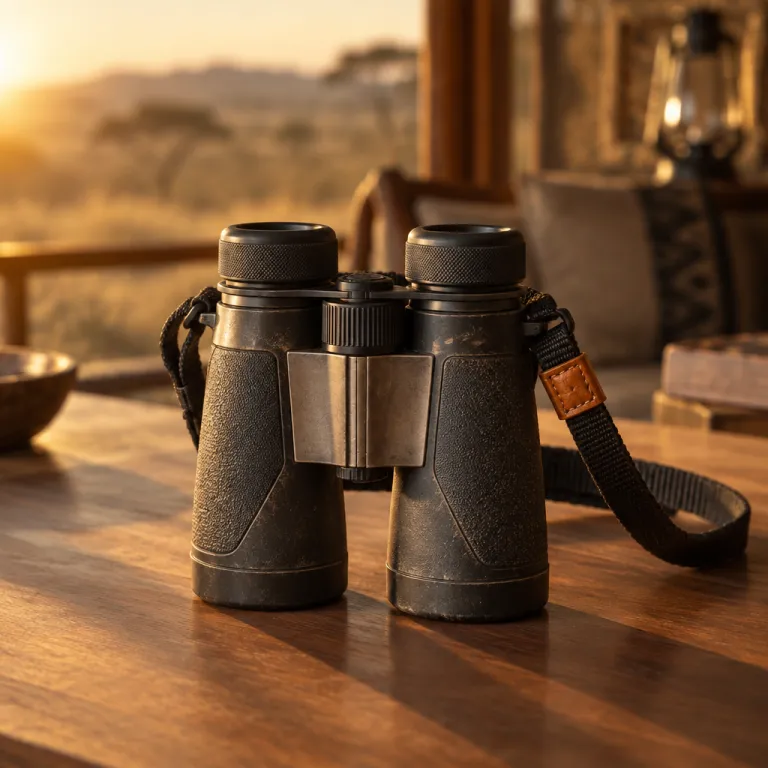
Pre-dawn wake-up: why the day starts in the dark
The first thing to understand about any safari day is that wildlife moves when the air is cool. A typical day on an African safari is built around this simple fact, and once you accept that the best game viewing happens before breakfast, the whole rhythm of safari travel suddenly makes sense. If you are wondering about a safari day what to expect as a family, know that the early start feels surprisingly gentle when the bush itself is waking with you.
Your wake-up knock usually comes in the early morning, around 05:00 or 05:30, depending on the season and the lodge. Staff at a well run safari lodge will bring a tray with coffee, tea and something light, because no one wants a full dinner style meal before a morning game drive. Children often find this part exciting, as the camp is still half asleep and the only sounds are birds, distant animals and the soft clink of cups in the dark.
Stepping out of your tent or suite, you feel the cool air of safari Africa and see a faint band of light on the horizon. This is the time when predators are still active, and when your guide will quietly explain what to expect from the first drive of the day. In Kenya, South Africa or the Maasai Mara, this early walk to the vehicle becomes part of the ritual, and it is usually the moment when families realise that a wildlife safari is less about luxury trimmings and more about being in the right place at the right time.
The morning game drive: first light, fresh tracks and family friendly pacing
Once everyone is in the vehicle, the morning game drive begins, usually just as the sky turns from indigo to pale gold. Your guide will position the vehicle to catch that first light on the plains, because this is when animals are most active and when a day safari delivers its most memorable sightings. For first timers asking about a safari day what to expect, this is the moment when the bush stops being an abstract idea and becomes a living, breathing landscape.
On a well designed wildlife safari, the guide will read tracks on the sandy roads, scanning for fresh lion pads or the drag marks of a leopard kill. In Kenya’s Maasai Mara or a South Africa national park such as Kruger, the morning game rhythm is unhurried, with frequent stops so children can stand, look and ask what that distant shape might be. A good guide will explain how the bush works as an ecosystem, turning every pause into a quiet lesson rather than a rushed checklist of animals.
About halfway through the drive, you stop for coffee in the bush, often with homemade biscuits or rusks laid out on a folding table. This is where families realise that a typical day on safari balances adventure with comfort, and that game drives are punctuated by small civilised rituals. If you are planning a more independent style of safari travel later in life, you might read about how to book a private bush experience without the single supplement, but for now the shared morning game stop is usually perfect for multi generational groups.
Late morning to midday: back to camp, brunch and the long, lazy pause
As the sun climbs and the day warms, the vehicle turns back toward camp and the light softens from gold to white. This is the part of a safari day when animals begin to seek shade, and when your guide will explain what to expect from the quieter hours ahead. In East Africa, especially on a Kenya or Maasai Mara itinerary such as the curated Elewana SkySafari with Goway Travel, this return to the lodge often includes a last scan of the plains for one more game sighting before the heat settles.
Back at your safari lodge, brunch is usually served on a deck overlooking a river, waterhole or open bush. Families who worried about a safari day what to expect in terms of food are often relieved to find flexible options, from eggs and salads to lighter dishes that suit children between game drives. This is also the time when the team will outline optional activities for the coming days, such as a hot air balloon flight over the Maasai Mara or a gentle walk near camp for those who prefer to stretch their legs rather than sit again.
The long midday break is where a typical day on safari becomes surprisingly family friendly. The heat keeps most animals in the shade, so you are not missing prime wildlife by resting, and children can swim, nap or simply watch the national park landscape from the pool. For parents, this quiet time between the morning game drive and the evening game outing is often when the trip feels like a real holiday, rather than a schedule of constant activity.
Afternoon tea and the second drive: golden light and sundowners in the bush
By mid afternoon, the camp stirs again and staff lay out tea, coffee and light snacks before the second drive of the day. This is when many guests ask again about a safari day what to expect, because the evening game drive feels different from the early morning outing. The light in Africa softens, the heat eases and the bush seems to exhale as animals begin to move from their daytime hiding places.
Your guide will time the afternoon drive so that you are in position as the sun drops, often near a waterhole or open plain where wildlife gathers. In South Africa, a classic African safari might see elephants emerging from the trees, while in Kenya or the Maasai Mara you may watch lines of wildebeest and zebra crossing the grasslands. Families quickly learn that game drives are not about constant action, but about being patient in the right place, trusting that the guide will read the bush and adjust the plan as the day changes.
As the sky turns orange and pink, the vehicle stops for sundowners, that cherished safari travel ritual of a drink in the open air. Children sip juice while adults raise a gin and tonic, and everyone watches the last light slide off the horizon in near silence. This pause between the main part of the evening game drive and the return to camp is often when guests realise that a safari day is as much about atmosphere as it is about ticking off animals on a list.
After dark: spotlights, night sounds and the quiet theatre of camp
Once the sun has set, the drive back to camp becomes a different kind of wildlife safari, with a tracker sweeping a spotlight along the verges. Eyes flash in the beam, from tiny bush babies to larger animals, and the guide will explain what to expect from nocturnal behaviour that most travellers have never seen. In some national parks, night drives are not allowed, while on private conservancies and concessions the rules are more flexible and the experience can be extraordinary.
Back at the lodge, there is usually time to freshen up before dinner, often served communally under the stars or in a candlelit dining room. Families who worried about a safari day what to expect for children at night usually find that the rhythm feels natural, with early morning starts balanced by early bedtimes and the soft lull of bush sounds around camp. For guests who want to go deeper into the after dark experience, a guide may offer a dedicated night drive or even a star bed sleep out, and you can read more about these options in this detailed guide to the bush after dark.
Later, as you walk back to your tent or suite with an escort, the air feels cooler and the sky is dense with stars. This final stroll is the quiet nightcap of a typical day on safari, a moment when the sounds of the national park or private reserve replace city noise. By the time you slip into bed, the early morning wake up no longer feels daunting, because you now understand how the whole day has been shaped around the movements of wildlife and the changing light.
How the rhythm flexes for families, non drivers and different regions
Not every safari day follows the same pattern, and luxury lodges in Africa are increasingly adept at tailoring the rhythm to families. In Kenya and South Africa, for example, some properties offer shorter game drives for younger children, with the option for one parent to return to camp early while the other stays out longer. This flexibility means that a safari day what to expect can look slightly different for each member of your group, without compromising the overall wildlife experience.
For guests who prefer to walk rather than spend all their time in a vehicle, many lodges offer guided bush walks or time in a photographic hide overlooking a waterhole. In certain national parks, such as South Luangwa in Zambia, walking safaris are a core part of the experience, and a typical day might include a shorter morning game drive followed by a few hours on foot. The guide will always explain what to expect in terms of safety, pace and the likelihood of close encounters with animals, ensuring that every activity suits the fitness and comfort level of the group.
Regional differences also shape the pattern of your days, from the open plains of the Maasai Mara to the thicker bush of some South Africa reserves. In cooler months, the early morning start may shift slightly later, while in hotter periods the camp might offer an even longer midday break to avoid the most intense heat. Across these variations, the constant is that a well run safari lodge will design each day around when wildlife is most active, so that every hour between wake up and nightcap feels purposeful rather than over scheduled.
Key statistics about safari days and wildlife viewing
- Across major African safari regions, including Kenya, Tanzania and South Africa, lodges typically schedule two main game drives per day, each lasting around three to four hours, which means guests spend roughly six to eight hours daily in the bush (data compiled from leading safari operators).
- Studies from Kruger National Park and other national parks in southern Africa show that large predators such as lions and leopards are significantly more active during the early morning and late afternoon, which supports the long established practice of pre dawn and evening game drives (research published by park authorities and conservation organisations).
- Tourism boards in Kenya and South Africa report that family travel on wildlife safaris has grown steadily over the past decade, with many lodges now offering dedicated children’s programmes and flexible daily schedules to accommodate younger guests (figures from national tourism statistics and trade reports).
- Hot air balloon operators in the Maasai Mara and Serengeti note that flights almost always depart at first light, when winds are calm and animals are most visible from the air, reinforcing the idea that the most rewarding wildlife viewing happens at the bookends of the day (industry data from licensed balloon companies).
FAQ about a typical day on safari
How early does a safari day usually start ?
Most safari lodges wake guests between 05:00 and 05:30, with a light snack and coffee before the first drive. This early morning timing matches peak wildlife activity and cooler temperatures. Families often adapt quickly, especially with early bedtimes and restful midday breaks.
How much time will I spend in a vehicle each day ?
A typical day on safari includes two game drives of three to four hours each, so you can expect around six to eight hours in the vehicle. Some lodges offer shorter drives for children or guests who prefer less time seated. Alternatives such as bush walks or time in a hide can reduce vehicle hours while keeping wildlife viewing strong.
Is there enough downtime for children and non early risers ?
Yes, the long midday break is designed for rest, swimming and quiet activities around camp. Guests who skip an early drive can often join the later morning game outing or focus on the evening game drive instead. Many family friendly lodges provide flexible meal times and child focused activities during the day.
Can I choose walking or hot air balloon activities instead of every drive ?
In many regions, you can swap one of the standard game drives for a guided walk, a visit to a hide or a hot air balloon flight, depending on the lodge and local regulations. These options usually happen at similar times to the drives, when wildlife is active and conditions are safe. Your guide will explain what to expect and help you design a balanced day.
Do all national parks allow night drives after dinner ?
No, night drives are often restricted inside national parks, while private reserves and conservancies have more flexibility. Where permitted, a night drive after dinner can reveal nocturnal animals that you rarely see by day. Always check with your lodge in advance, as policies vary by country and specific area.