Safari glamping tents: how modern canvas suites redefine luxury in the wild
From African reserves to North American parks, contemporary safari-style glamping tents are turning remote clearings into refined, hotel-grade retreats without losing the thrill of sleeping under canvas.
Why a safari glamping tent defines modern luxury in the wild
A well designed safari glamping tent turns a remote clearing into a refined retreat. In the best luxury safari lodges, these canvas suites balance the romance of traditional tent camping with the comfort of a high end room, giving you nature without sacrificing sleep. This blend of camping tent practicality and tent luxury detailing is reshaping how discerning travellers think about the African bush and other wilderness areas.
At its core, a safari tent is a carefully engineered product rather than a simple piece of camping gear. Manufacturers such as Rainier Outdoor, with their Voyager safari style glamping tents, use steel frames and heavy canvas to create waterproof structures that feel permanent yet remain technically mobile. Beijing Starwild Glamping Co., Ltd. follows a similar philosophy with its Saturn Safari Lodge Tents, which many safari lodge owners now specify for new tented safari developments, according to manufacturer catalogues and trade show materials.
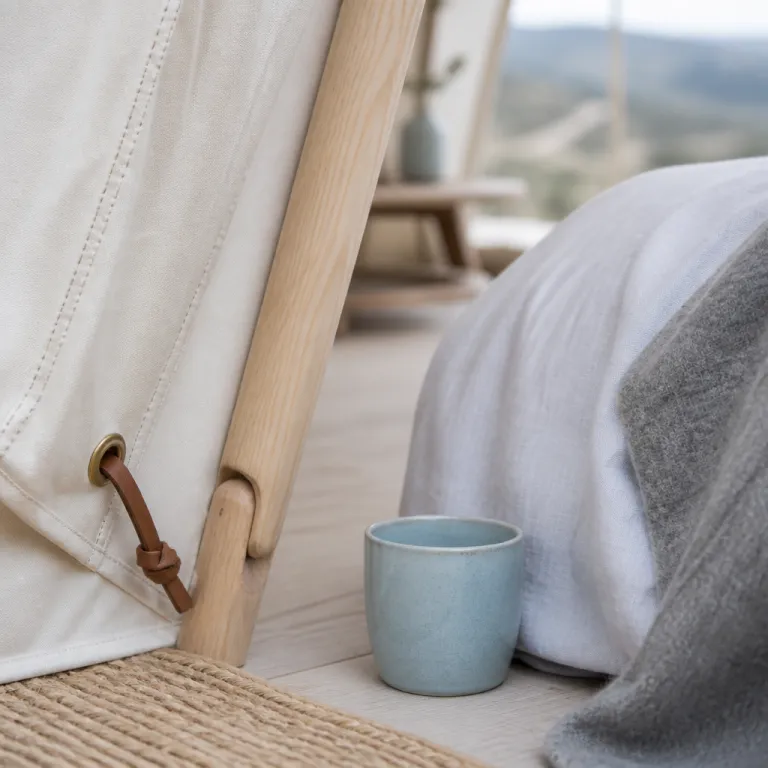
Inside these safari tents, the design focus is always on the bedroom and the view. A typical luxury safari glamping tent will feature a king size bed, layered linens, and a clear sightline through an opening window panel or wide front opening towards a waterhole or savannah. When you book a lodge that specialises in glamping safari experiences, ask how each tented suite is oriented, because the right view at tent night can be as valuable as any spa treatment.
Glamping, defined as glamorous camping with luxury amenities, has moved far beyond novelty status. Industry commentary and operator reports indicate that safari-style glamping stays are typically priced between mid range lodge rooms and top tier villa suites, with many properties reporting noticeable increases in occupancy after adding this style of camp. That uplift reflects a broader trend in outdoor tourism, where guests want the emotional charge of a safari camp without the compromises of basic camping tents or shared ablutions.
For travellers comparing a classic safari lodge to a tented safari camp, the difference is increasingly about architecture rather than comfort. Many new generation lodges integrate permanent main areas with tent glamping suites, so you enjoy a solid dining pavilion and spa while sleeping under canvas. This hybrid approach allows you to feel the outdoor atmosphere and hear the night sounds, yet still enjoy climate control, proper bathrooms, and easy setup features that make arrival effortless.
Key design elements that elevate safari glamping tents
Designers of luxury glamping tents start with structure, because stability underpins every other comfort. A high quality safari glamping tent will use a rigid steel or aluminium frame combined with tensioned waterproof canvas, which keeps the interior dry while allowing the tent to breathe in hot climates. When you evaluate different safari camps, ask whether their safari tents are rated for strong winds and heavy rain, especially if you plan to travel in the green season.
Interior zoning is the next hallmark of a serious luxury safari design. The most successful glamping tent layouts separate the bedroom, lounge area, and bathroom with subtle level changes or canvas partitions, so the space feels like a suite rather than a single room. Families often appreciate when a lodge offers larger tents with a second bedroom or annex, because this keeps children close while preserving a sense of privacy for the adults.
Thoughtful openings transform a simple camping tent into a sophisticated safari glamping tent. Large doors and mesh panels that open window sections wide to the landscape create a seamless connection between indoor and outdoor spaces, while still protecting you from insects. At night, you can close insulated flaps for warmth and security, then wake to filtered dawn light that makes the entire tented safari experience feel cinematic.
Climate control is another critical feature in modern safari tents and glamping tents. Many high end safari lodge operators now integrate discreet air conditioning or evaporative cooling, along with ceiling fans and cross ventilation, to keep the interior comfortable in both hot and cool seasons. Some tent luxury models even include a stove jack for safe installation of a small wood stove in colder regions, a feature more common in the United States and northern camps than in equatorial Africa.
Lighting and materials complete the sensory experience of a luxury safari camp. Warm toned fixtures, natural timber floors, and tactile textiles soften the structural lines of the tent and echo the surrounding landscape. When you read about an exclusive retreat such as the Victoria Falls Safari Club in specialist lodge reviews, notice how often writers mention the glow of lanterns on canvas at night, because that interplay of light and fabric is central to the emotional appeal of tent glamping.
| Feature | Typical specification |
|---|---|
| Floor area | 30–60 m² enclosed, plus private deck |
| Sleeping | King bed or twin beds with premium mattress |
| Bathroom | En suite with flush toilet and indoor / outdoor shower |
| Structure | Steel or aluminium frame with tensioned canvas |
| Climate | Ceiling fan, cross ventilation, optional air conditioning |
How premium booking platforms curate safari lodge tent experiences
Luxury and premium booking websites for safari lodges now act as curators of tented design as much as reservation tools. Instead of listing generic tents, the best platforms highlight specific safari glamping tent models, floor plans, and outdoor deck configurations, so you can compare the feel of each camp before committing. This level of detail matters when you are choosing between a compact camping tent style unit and a full scale tent luxury suite with separate living areas.
Reliable platforms draw on verified product information from manufacturers and lodge owners. For example, they may specify that a particular safari tent uses double stitched waterproof canvas, integrated insect screening, and an easy setup frame system that reduces construction time for remote camps. When a lodge upgrades from basic camping tents to purpose built glamping tents, these sites often note the change, because it signals a step up in both comfort and safety.
Transparent photography and floor plan diagrams help you visualise the bedroom layout, bathroom access, and circulation space inside each glamping tent. Look for listings that show how the tent open window sections towards the main view, and whether the outdoor deck is shaded for daytime use. A well designed safari camp will always balance sun exposure with shaded areas, ensuring that you can enjoy the panorama at any time of day without discomfort.
Specialist booking engines also provide editorial content on luxury safari planning, which can guide you through choices such as private versus shared camps. Resources like this overview of luxury safari lodge online reservations elevating your African wilderness experience explain how to align your budget, expectations, and preferred level of tent camping immersion. By reading these insights alongside technical details about each safari lodge, you gain a more complete picture of what your stay will actually feel like.
Many platforms now integrate dynamic filters that let you search specifically for luxury glamping, family friendly tents, or properties that include certain amenities such as a stove jack for cooler climate camping. You might also find filters for average cost per night, free night offers in shoulder seasons, or lodges that include complimentary transfers within a certain area. This data driven approach reflects a broader shift in outdoor tourism, where guests expect the same clarity and control when booking a safari camp as they do for an urban luxury property.
Materials, sustainability, and comfort in safari tent construction
The material palette of a safari glamping tent directly influences both comfort and environmental impact. High grade cotton or polycotton canvas remains the standard for safari tents, because it is naturally breathable yet can be treated to become highly waterproof while still allowing moisture to escape. When you assess a safari lodge, ask whether its tents use fire retardant and UV stable fabrics, as these details affect both safety and long term durability.
Structural components such as steel frames and timber decks must withstand years of exposure in remote outdoor locations. Manufacturers like Rainier Outdoor and Beijing Starwild Glamping Co., Ltd. design their products for repeated assembly and disassembly, which is crucial for tented safari camps that move seasonally or operate in sensitive ecosystems. This modular approach also allows lodges to replace individual tents or expand a camp without rebuilding the entire site.
Insulation and ventilation work together to keep a glamping tent comfortable across temperature swings. Roof liners, reflective flysheets, and carefully placed vents help maintain a stable interior climate, reducing reliance on mechanical cooling or heating. In cooler regions or at higher altitudes, some tent luxury models incorporate a dedicated stove jack, which allows a small wood burning stove to vent safely through the roof without compromising the waterproof integrity of the canvas.
Sustainability considerations now shape many new safari camp developments. Lodges increasingly specify eco friendly materials, low impact foundations, and off grid power systems, aligning the romance of tent camping with responsible environmental practice. When a booking website highlights solar power, grey water treatment, or locally sourced timber in its lodge descriptions, it signals a commitment that goes beyond surface level luxury.
Comfort features inside the safari glamping tent round out the guest experience. High quality mattresses, layered bedding, and thoughtful storage transform the bedroom into a genuine sanctuary after a long day on safari. Soft furnishings, rugs, and curated lighting create a sense of intimacy that contrasts beautifully with the vastness of the surrounding area, reminding you that a well designed tent can feel every bit as indulgent as a masonry suite.
Designing for different travellers: couples, families, and solo guests
Not every safari glamping tent suits every type of traveller, so design must respond to specific needs. Couples often prioritise privacy, a dramatic view, and a generous bedroom with direct access to an outdoor deck for quiet tent night stargazing. Families, by contrast, look for interconnected tents or larger safari tents with flexible sleeping arrangements that keep everyone close yet comfortable.
Family focused safari lodges frequently configure their glamping tents around a central shared deck. Parents might occupy a main safari tent with a full bathroom and lounge, while children sleep in a smaller adjacent tent connected by a covered walkway, creating a private mini camp within the larger property. This arrangement preserves the sense of adventure that comes with tent camping, while still delivering the reassurance and convenience families expect from luxury glamping.
Solo travellers have their own set of priorities when choosing a safari camp. Safety, intuitive layouts, and easy setup access paths to each tented suite become more important when you are moving around the lodge without a companion. Guides and staff can escort you after dark, but a well lit route and clear sightlines between the tent and main lodge area add an extra layer of comfort.
For guests planning a private stay without paying extra supplements, resources such as this guide to solo safari planning and booking a private bush experience without the single supplement can be invaluable. These articles explain how to select a safari lodge that welcomes solo guests into shared activities while still offering a secluded glamping tent for personal downtime. When booking, mention any concerns about walking distances or mobility, so the lodge can allocate a tent closer to the main camp if needed.
Accessibility and inclusivity also influence modern safari tent design. Some luxury safari camps now offer step free access, wider doorways, and adapted bathrooms in selected tents, ensuring that guests with reduced mobility can enjoy the same immersive outdoor experience. Premium booking platforms increasingly flag these features in their filters, helping you match the right product to your specific requirements without endless email exchanges.
From booking to arrival: what to check before you sleep under canvas
Once you have shortlisted a few safari lodges, the final step is to interrogate the details of their tented accommodation. Start by confirming whether each safari glamping tent includes an en suite bathroom, as some older safari camps still rely on shared facilities that may not suit every traveller. Ask about hot water availability at night, because some remote camps heat water only at specific times to conserve energy.
Weather resilience is another non negotiable factor when sleeping under canvas. When you contact the lodge or your booking platform, enquire whether the safari tents are fully waterproof, how they perform in strong winds, and whether the camp operates year round or closes during extreme seasons. Performance depends on the specific tent model, the way it has been installed, and local conditions, so precise information about each product and its setup is essential.
Ventilation and insect protection can make or break your comfort in a glamping tent. Check whether the tent open window panels to allow cross breezes while retaining fine mesh screens, and whether beds are equipped with mosquito nets in higher risk areas. If you are sensitive to heat, ask whether the lodge provides fans, air conditioning, or other climate control systems inside the bedroom area of each tent.
Practicalities such as luggage handling, laundry, and any free value adds also deserve attention. Some luxury safari lodges include complimentary laundry for guests staying more than a certain number of nights, which can reduce the amount of clothing you need to pack for your camping style adventure. Others might offer a free night for longer stays, or include transfers from the nearest airstrip, effectively bundling services that would otherwise feel like separate shipping or transport costs.
Finally, align your expectations about ambience and activity levels with the character of the camp. A small, tented safari lodge with only a handful of camping tents will feel intimate and quiet, ideal for couples or solo travellers seeking reflection. Larger safari camps with many tents and a busy central lodge area can be lively and social, which suits some guests perfectly but may not match every vision of a luxury safari escape.
Real world examples and what they teach future lodge guests
Looking at specific safari glamping tent implementations helps you interpret booking descriptions more accurately. Cheaha State Park in Alabama, for instance, offers glamping safari tents for rent that illustrate how the concept translates beyond Africa into the United States. These units combine sturdy canvas structures with proper beds and basic amenities, showing how even a modest camp can elevate traditional camping into a more comfortable outdoor stay.
In the African context, many private reserves now commission custom safari tents from manufacturers such as Beijing Starwild Glamping Co., Ltd. for their flagship safari lodge projects. The Saturn Safari Lodge Tents used in some properties demonstrate how a modular product can be adapted into both intimate two person tents and larger family configurations. When you see references to this type of tent in lodge marketing, you can expect a higher baseline of comfort than in generic camping tents.
Rainier Outdoor’s Voyager safari style glamping tents have also influenced design standards in both North America and international safari destinations. Their emphasis on robust frames, waterproof yet breathable canvas, and flexible interior layouts has encouraged lodge owners to treat each tent as a long term asset rather than a temporary shelter. This mindset leads to better maintenance, more thoughtful placement within the camp area, and ultimately a more reliable guest experience across many nights of operation.
Industry research and case studies from lodge operators underline the commercial impact of investing in quality safari glamping tent infrastructure. Properties that introduce or upgrade to luxury glamping accommodation often report higher occupancy and stronger guest satisfaction scores in post stay surveys, particularly when tents are paired with attentive guiding and personalised service. These figures explain why so many new safari camp developments prioritise tent luxury suites, even when they also include a few more traditional rooms within the main lodge.
For guests, the lesson is clear. When a booking website provides detailed specifications about its safari tents, glamping tents, and overall camp design, it signals a level of professionalism that usually translates into better on site service as well. By paying attention to these design cues and asking informed questions before you confirm, you give yourself the best chance of enjoying a safari where the tent, the lodge, and the landscape work together in effortless harmony.
Key figures shaping the safari glamping tent market
- Average cost per night for a safari glamping tent stay typically sits between basic camping options and top tier villa style suites, reflecting its position as a mid to high tier outdoor product.
- Safari lodges that add luxury glamping style tents to their accommodation mix frequently record noticeable occupancy increases, reflecting strong guest demand for comfortable outdoor experiences.
- Customer satisfaction scores for well managed safari camps featuring high quality safari tents often exceed those of many traditional camping facilities, especially when private bathrooms and climate control are included.
- Safari glamping tents now operate year round in diverse climates, supported by durable materials and climate control systems that were not widely available when early tented safari camps first appeared.
- The integration of eco friendly materials and smart technology into safari tent construction is expected to expand the range of viable locations for new camps, from humid forests to cooler highland regions.
FAQ about safari glamping tents and luxury safari lodges
What is glamping and how does it differ from camping ?
Glamping is glamorous camping with luxury amenities, which means you sleep in a well equipped safari glamping tent rather than a basic camping tent you pitch yourself. Beds, proper linens, and often private bathrooms replace sleeping bags and shared facilities. The experience keeps you close to nature while removing most of the discomfort associated with traditional tent camping.
Are safari tents weatherproof enough for year round stays ?
Yes, they are designed to withstand various weather conditions, using waterproof canvas, strong frames, and carefully sealed seams. That said, performance depends on installation quality and local climate, so always ask your chosen safari lodge how their tents handle heavy rain or strong winds. Some camps close during extreme seasons, while others operate year round thanks to enhanced structural and drainage systems.
Do safari glamping tents usually include private bathrooms ?
Many include en suite bathrooms; check specific models and lodge descriptions before booking. High end luxury safari camps almost always provide private facilities, often with indoor and outdoor showers. More rustic safari camps may still rely on shared ablutions, so clarity on this point is essential if privacy is a priority.
What should I research before booking a safari lodge with tents ?
Research tent amenities before booking, including bed type, bathroom setup, climate control, and safety features such as insect screening. Check weather conditions for your stay and pack accordingly for both comfort and adventure, especially if temperatures swing between day and night. It is also wise to ask about accessibility, distance from the main lodge, and any free services such as laundry or transfers.
Are safari glamping tents suitable for families with children ?
Yes, many safari lodges offer family oriented safari tents or interconnected glamping tents that keep parents and children close together. Look for layouts with separate sleeping areas, secure decks, and easy access to the main camp facilities. Always confirm age policies, child friendly activities, and safety measures such as railings and supervision around wildlife rich areas.
References
- Rainier Outdoor – technical specifications and design philosophy for Voyager safari style glamping tents.
- Beijing Starwild Glamping Co., Ltd. – product information for Saturn Safari Lodge Tents and related safari camp solutions.
- Cheaha State Park – operational example of glamping safari tents in a protected natural area.
