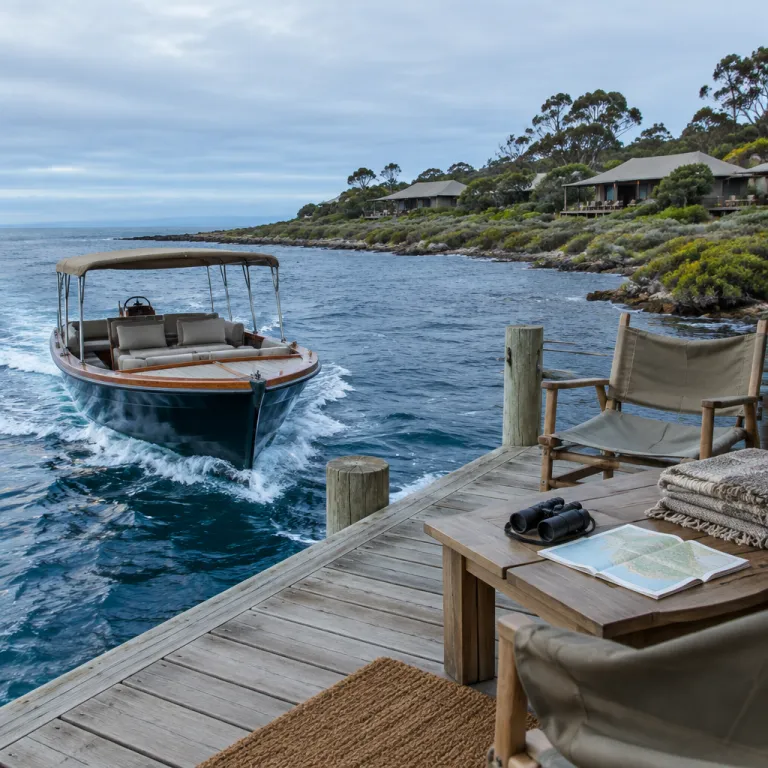
Why the Garden Route is South Africa’s most refined coastal safari corridor
The coastal stretch known as the Garden Route offers a rare blend of ocean, forest, and wildlife. Along this scenic route in South Africa, a carefully chosen safari lodge can combine coastal drives with big game viewing in a single stay. For travellers seeking a Garden Route safari lodge in South Africa, the region delivers a sophisticated wildlife experience without sacrificing comfort.
Unlike remote northern game lodges in Africa, Garden Route reserves sit close to both the Western Cape and the Eastern Cape, which makes logistics effortless. You can land in Cape Town, enjoy a few nights in the city, then follow the route east to a private game reserve where lions, rhinos, and elephants roam. This coastal route and game combination is ideal if you want a shorter night flight, minimal transfers, and a largely malaria-free safari experience.
Many Garden Route lodges overlook rolling fynbos, distant mountains, and waterholes alive with wildlife. A luxury safari lodge here often pairs a spacious suite terrace with a heated plunge pool, so you can enjoy game viewing between daily game drives. For families, the region’s compact private reserves and fenced camps create a reassuring environment for a first safari stay in South Africa.
Pairing Cape Town and the Garden Route for a seamless luxury safari stay
For many guests, the most elegant itinerary links Cape Town with a Garden Route safari lodge in South Africa. You might spend three nights in a waterfront suite in Cape Town, then drive or fly to a private reserve near Mossel Bay or George for a contrasting safari experience. This Cape and Garden Route combination lets you enjoy world-class dining, city culture, and coastal scenery before immersing yourself in wildlife and guided game drives.
Cape Town works beautifully as a soft landing before your first game lodge stay in Africa. The city’s proximity to the Western Cape Winelands and the southern end of the Garden Route means you can enjoy wine tastings one day and track elephants the next. For a broader view of Southern Africa travel that combines Cape Town, the Winelands, and a classic Big Five reserve, you can read this seamless itinerary overview at southern Africa travel at its finest.
When you compare lodges, look at how they structure each safari stay between city and bush. Some Garden Route game lodges offer transfers from Cape Town, while others work best with a self-drive along the route. Either way, the combination of Cape Town sophistication and a private game reserve in South Africa creates a layered journey that feels both luxurious and grounded.
Understanding private game reserves along the Garden Route
Most serious wildlife encounters on the Garden Route happen inside a private game reserve rather than in open-access farmland. These private reserves control vehicle numbers, manage sensitive habitats, and offer guided game drives that focus on both big game and smaller species. For guests, that means quieter sightings, more flexible timings, and a safari experience tailored to your interests.
In the eastern sections of the Garden Route, near the Eastern Cape boundary, you will find properties such as Gondwana Game Reserve, which has become a benchmark for conservation-led luxury. Gondwana, for example, protects roughly 11,000 hectares of restored fynbos and grassland and supports free-roaming Big Five populations. A stay here allows you to enjoy daily game drives, guided walks, and time at camp watching wildlife move across the garden-like valleys. Many guests pair a night or two at a coastal camp with several nights in a more remote game lodge to balance relaxation and intensive game viewing.
Private game reserves here are fenced, which helps keep the area malaria-free and safe for family safaris with younger children. Camps and lodges often sit on elevated ridges, with each safari lodge suite designed to maximise views across the reserve. If you are curious about how other Southern Africa regions manage conservation-focused lodges, you can read about desert-based properties in Namibia at Namibia’s desert lodges, then compare that approach with the greener Garden Route reserves.
What to expect from a luxury Garden Route safari lodge in South Africa
A true luxury Garden Route safari lodge in South Africa balances refined design with a strong sense of place. Suites usually feature floor-to-ceiling glass, a private deck, and sometimes a heated plunge pool or a larger suite plunge pool for couples. Interiors lean toward natural textures, with neutral tones that frame the surrounding garden and fynbos rather than compete with them.
Service at these lodges tends to be attentive but relaxed, which suits the coastal route atmosphere. Your field guide will usually host both game drives and some meals, creating continuity between wildlife conversations and dining. Many lodges offer flexible dining times, private dinners on your deck, and family-friendly menus so that multi-generational groups can enjoy long conversations after a day of game viewing.
Facilities often include a spa, a main camp pool, and sometimes a small gym, but the real luxury lies in space and silence. A typical day might start with a dawn drive across the reserve, followed by a late breakfast and time in your suite plunge pool. Afternoon tea leads into an evening game drive, sundowners in the bush, then a lantern-lit dinner back at the lodge under the South African sky.
Designing the right safari stay for couples, families, and groups
The ideal Garden Route safari stay in South Africa looks different for every traveller. Couples often prefer smaller lodges with fewer suites, generous privacy, and features such as an in-room plunge pool or outdoor shower. Families usually prioritise flexible room configurations, child-friendly game drives, and fenced camp layouts that feel secure.
When you plan a family safari, ask how the lodge structures daily game activities for younger guests. Some Garden Route game lodges offer shorter drives, kids’ bush programmes with a dedicated field guide, and early dinners so children can sleep while adults enjoy a later night. Multi-bedroom villas within a private game reserve can work well for larger groups who want shared living spaces but separate bedrooms.
Groups of friends may look for lodges that allow exclusive use of a camp or a private vehicle for game viewing. This arrangement lets you shape your own route and game focus, whether that means tracking predators, spending longer at a waterhole, or photographing birds. Whatever your group size, clarify how many daily game drives are included, whether walking safaris are offered, and how the lodge handles special dietary or accessibility needs.
How to compare Garden Route safari lodges with other African wildlife destinations
Choosing a Garden Route safari lodge in South Africa often involves comparing it with other African destinations such as Kruger, the Okavango Delta, or Zambia. The Garden Route and the broader Western Cape and Eastern Cape regions stand out for their malaria-free reserves, coastal scenery, and easy access from Cape Town. For many first-time visitors, this combination feels less daunting than flying straight into a remote national park.
By contrast, classic Big Five areas such as Kruger or the Serengeti usually offer larger ecosystems and a higher density of game, but they may require longer flights and anti-malaria precautions. Some travellers therefore start with a Garden Route private game reserve, then later add more remote national park stays once they understand their own safari preferences. If you are considering expanding beyond South Africa, you can read about a conservation-focused Zambian circuit at Zambia’s new luxury lodge collection and compare that approach with the Garden Route model.
Within South Africa itself, the Garden Route sits between the urban energy of Cape Town and the wilder reserves of the Eastern Cape. This makes it an excellent midpoint for travellers who want both comfort and authentic wildlife encounters. When you read lodge descriptions, pay close attention to reserve size, vehicle density, guiding standards, and how each property balances luxury with a genuine safari experience.
Key figures shaping luxury safari travel in South Africa
- According to South African Tourism, international arrivals to South Africa exceeded 10.2 million visitors in the most recently reported pre-pandemic year, with the Western Cape and Garden Route among the most visited regions for self-drive itineraries.
- Data from the Southern Africa Tourism Services Association indicates that private game reserves and game lodges account for a significant share of high-value safari bookings, with average nightly rates often 30 to 50 percent higher than standard lodges due to smaller guest numbers and more exclusive game viewing.
- Conservation organisations such as SANParks report that national park entrance fees and levies from private reserves contribute hundreds of millions of rand annually to habitat protection, anti-poaching efforts, and community projects linked to wildlife tourism.
- Industry surveys from the African Travel and Tourism Association show that malaria-free regions, including much of the Garden Route and Eastern Cape, are increasingly popular with family travellers, with some operators reporting double-digit growth in family safari bookings over the last decade.
FAQ about booking a Garden Route safari lodge in South Africa
Is the Garden Route a good choice for a first safari experience?
Yes, the Garden Route is an excellent choice for a first safari experience because it combines accessible private game reserves with good roads, coastal scenery, and a largely malaria-free environment. Many lodges here offer shorter transfers from Cape Town and family-friendly camps. This makes it easier to balance wildlife, relaxation, and cultural experiences in a single stay.
How many nights should I stay at a Garden Route game lodge?
Most travellers find that a minimum of two to three nights at a Garden Route game lodge allows time for four to six game drives and some relaxation. If you are combining the Garden Route with Cape Town and the Winelands, consider a total trip of eight to ten nights. Longer stays work well if you want slower travel, more in-depth game viewing, and time to enjoy your suite plunge pool or spa treatments.
Are Garden Route safari lodges suitable for families with young children?
Many Garden Route safari lodges are well suited to families, especially those in fenced private reserves that offer child-friendly game drives and tailored activities. Always check age limits for game drives, as some lodges restrict very young children from joining standard vehicles. Look for family suites, interleading rooms, and camps that provide flexible meal times and early dinners.
What is the best time of year to visit a Garden Route safari lodge?
The Garden Route has a relatively mild climate year-round, but the best time for game viewing is often during the drier months when vegetation is thinner and wildlife concentrates around water sources. Coastal areas can be visited in any season, with cooler winters and warmer summers. When planning, consider how much time you want to spend at the lodge pool, on the beach, or exploring nearby national parks.
How do Garden Route private game reserves compare with Kruger or other Big Five areas?
Garden Route private game reserves are generally smaller than Kruger or the Serengeti, but they offer more controlled vehicle numbers, a quieter atmosphere, and easy access from Cape Town and the Western Cape. Wildlife densities can be slightly lower, yet sightings are often more intimate because there are fewer vehicles at each sighting. For many guests, this balance of comfort, scenery, and curated game viewing makes a Garden Route safari lodge in South Africa an appealing alternative or complement to larger national parks.