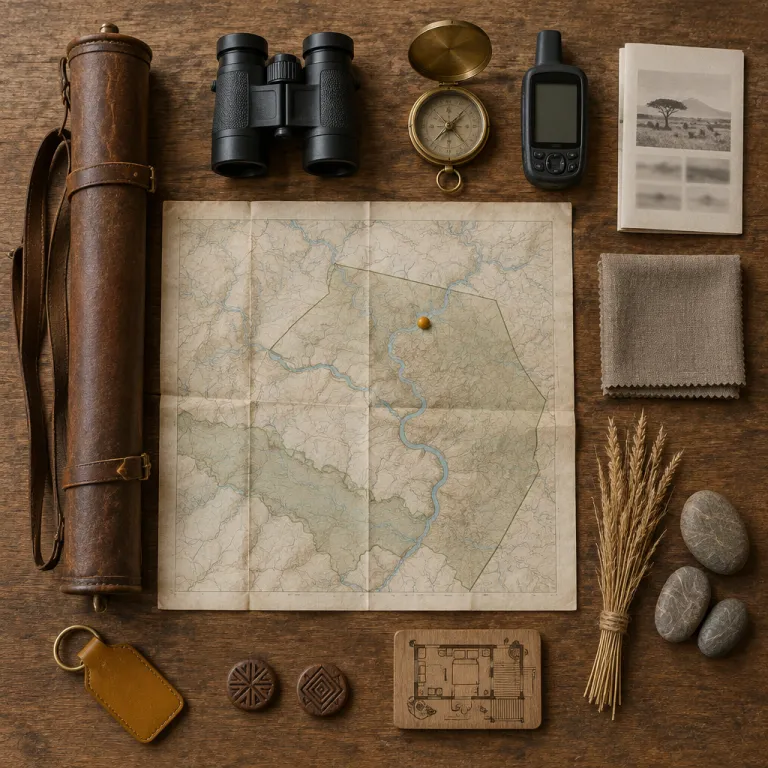
Understanding the Sabi Sands map for a refined safari experience
A carefully read and interpreted Sabi Sands map is the quiet secret behind a seamless luxury safari experience. When you understand how each private game reserve sector, river line, and game lodge access road fits together, every person in your party moves with confidence rather than confusion. This level of clarity turns the abstract idea of a safari in southern Africa into a precise, personalised journey through one of the most wildlife rich corners of South Africa.
The Sabi Sands area borders the Kruger National Park, and the map shows how unfenced boundaries allow animals to roam freely between the national park and the private game reserves. On a detailed map you will see the Sand River and the Sabi River winding through the bush, with river lodge locations, bush camp clearings, and sands private concessions marked in relation to these lifelines. This river focused layout is crucial for planning game viewing, because predators and plains game concentrate along watercourses during the dry months in this part of Africa.
When you study a Sabi Sands map before booking, you start to see how different lodges and safari lodge clusters are positioned for specific experiences. Some lodges sit close to the Sand River for tranquil river views and easy access to river lodge decks, while others lie deeper in the bush for a more remote bush camp atmosphere. Matching your preferred style of travel to the exact position of each lodge on the map is the first step toward a tailored safari experience in South Africa.
Choosing the right safari lodge location within Sabi Sands
Location on the Sabi Sands map matters as much as the lodge’s interior style or wine list. A person seeking intense big game viewing might prioritise a game lodge in the western sector, while another traveller may prefer a quieter corner of the reserve with fewer vehicles and more private game drive routes. The art lies in aligning your expectations with the specific character of each sector of this renowned South African game reserve.
On most maps you will notice clusters of lodges along the Sand River and Sabi River, where river lodge decks overlook hippo pods and elephant crossings. Other safari lodges sit near the boundary with Kruger National Park, benefiting from wildlife moving between the national park and the sands game concessions. If you value quick access to airstrips for onward travel to Cape Town or the Okavango Delta, choose a lodge positioned close to these logistical hubs without sacrificing the sense of immersion in the African bush.
For travellers comparing refined options, it helps to read in depth guides to individual properties within Sabi Sands. A detailed booking guide to Idube Game Lodge in Sabi Sands, for example, explains how its position within a productive private game area shapes the daily safari experience and can be consulted through this elegant Sabi Sands lodge booking guide. By cross referencing such guides with your Sabi Sands map, you can see how each game lodge relates to lion territories, open plains, and riverine forest, which is invaluable when planning a multi night stay in this part of southern Africa.
Reading the map by river, road, and reserve boundary
Once you have chosen a preferred sector, the next step is to read the Sabi Sands map in finer detail. Start with the rivers, because the Sand River and Sabi River form the ecological backbone of the reserve and define many of the best game viewing areas. Then look at how lodge access roads, private game drive loops, and reserve boundaries intersect with these watercourses across the African landscape.
On a high quality map, each safari lodge is marked relative to the nearest river crossing, open clearing, or bush camp area, which helps you visualise drive times during a typical morning or night game drive. A person who prefers shorter drives before breakfast might choose a river lodge close to productive lion and leopard territories, while another guest may enjoy a longer traverse through varied habitats in the heart of the bush. The key is to match your tolerance for drive duration with the lodge’s position on the map, rather than relying only on marketing images of suites and pools.
Some of the most sought after addresses, such as Lion Sands lodges along the Sabie River or the elegant Elephant Plains Safari Lodge in Sabi Sand, sit where riverine forest meets open plains, and you can explore one such refined option via this refined South African big game retreat guide. When you overlay these names onto your Sabi Sands map, you begin to understand why certain areas consistently deliver exceptional safari experiences. As one returning guest put it after tracing a leopard’s route along the Sand River on a printed map, “I finally understood how the whole reserve fits together – it felt less like a holiday and more like being briefly woven into the landscape.” This map based insight is what separates a merely pleasant trip from a truly strategic journey through one of South Africa’s finest private reserves.
Designing a multi stop itinerary across southern Africa
A Sabi Sands map is not only a tool for choosing one lodge, it is also a planning anchor for a wider southern Africa itinerary. Many travellers pair a few nights in a Sabi Sands safari lodge with time in Cape Town, the Okavango Delta, or another South African game reserve to create a layered African experience. Thinking in terms of routes rather than isolated stays helps you use every night of travel to its full potential.
From a logistics perspective, Sabi Sands connects efficiently with Kruger National Park airstrips, which in turn link to Cape Town and Maun for the Okavango Delta. When you read flight schedules alongside your Sabi Sands map, you can see how a person might start with a private game lodge in Sabi Sands, continue to a water based safari experience in the Okavango Delta, and finish with urban style and fine dining in Cape Town. This combination balances intense game viewing with cultural and culinary depth across southern Africa.
Some travellers extend the concept further by adding another South African or regional reserve, such as a private game area near Kruger National Park or a rewilding focused property in Zambia. For those interested in conservation led luxury, an in depth feature on Zambia’s new luxury lodge collection that puts rewilded lions at the centre of the deal, available through this rewilded lions luxury lodge collection overview, offers a useful comparison point to the Sabi Sands model. By mapping these destinations mentally and literally, you create a coherent narrative of African travel rather than a series of disconnected nights in different lodges.
Matching lodge style, budget, and expectations to the map
Every person arrives in Sabi Sands with different expectations about comfort, style, and budget. Some guests want a classic safari lodge with thatched roofs, open air bomas, and a strong sense of traditional African bush atmosphere, while others prefer contemporary architecture with clean lines and a more urban inspired aesthetic. The Sabi Sands map helps you align these preferences with specific lodges and sectors, because certain areas have a higher concentration of ultra premium properties while others offer more understated game lodges.
When evaluating options, look beyond headline rates and examine what is included in each night’s stay, such as private game drives, guided bush walks, or photographic safaris. A lodge that appears more expensive on paper may offer a richer safari experience if it includes exclusive traversing rights over a particularly productive part of the reserve. In contrast, a more affordable bush camp might still deliver exceptional game viewing if it shares access to a high density wildlife corridor along the Sand River or near the Kruger National boundary.
It is also worth considering how many lodges share each private game area, because this affects vehicle density at sightings and the overall sense of wilderness. Sectors with fewer lodges and carefully managed vehicle limits often provide a calmer, more intimate atmosphere, especially during night drives when sound travels far across the African bush. By reading the Sabi Sands map with these factors in mind, you can choose a South African safari lodge that matches both your financial comfort and your desired level of exclusivity.
Practical map based tips for first time Sabi Sands guests
For a first time visitor, the Sabi Sands map can feel dense with names, roads, and river lines, yet a few practical habits make it an invaluable companion. Before you travel, ask your chosen lodge for a copy of their section of the map and mark your arrival airstrip, the lodge location, and key landmarks such as the nearest river crossing. This simple exercise helps each person in your group visualise the journey from aircraft to game lodge and reduces anxiety about remoteness.
During your stay, keep a printed or digital map handy and note where memorable sightings occur, such as a leopard along the Sand River or a herd of elephants near the boundary with Kruger National Park. Over several nights, these notes create a personal record of your safari experience and deepen your understanding of how animals use different parts of the reserve. Many guests find that this habit transforms game drives from passive viewing into an engaging, map based exploration of the African bush.
Finally, remember that Sabi Sands is part of a broader network of South African and southern Africa reserves, each with its own mapping conventions and access rules. If you plan to combine Sabi Sands with another private game reserve or a national park, request maps in advance and compare how lodge locations, river systems, and road networks differ between destinations. This comparative approach sharpens your eye for detail and ensures that every future safari lodge booking, whether in South Africa or beyond, benefits from the cartographic lessons learned in Sabi Sands.
Key statistics on Sabi Sands and South African safari travel

| Lodge (example) | Approx. coordinates | Nearest airstrip | Typical drive time from strip |
|---|---|---|---|
| Idube Game Lodge | -24.78, 31.47 | Skukuza | About 60–75 minutes by road transfer |
| Elephant Plains Safari Lodge | -24.74, 31.48 | Arathusa | Roughly 20–30 minutes by game viewer |
| Lion Sands (Sabie River cluster) | -24.93, 31.54 | Skukuza | Approximately 25–40 minutes by vehicle |
- South Africa receives roughly 10 million international tourist arrivals per year, with a significant share drawn by wildlife tourism in areas such as Kruger National Park and Sabi Sands (source: South African Tourism, 2019, southafrica.net).
- Kruger National Park covers about 19,500 square kilometres, while the adjacent Sabi Sands private game reserve spans roughly 650 square kilometres, illustrating how a relatively small private reserve can deliver exceptionally high density game viewing (sources: South African National Parks, 2023, sanparks.org; Sabi Sand Wildtuin, 2023, sabisand.co.za).
- Wildlife tourism in South Africa contributes an estimated 3 to 4 percent of national GDP when direct and indirect effects are combined, underlining the economic importance of safari lodges and private game reserves (source: World Travel & Tourism Council, “Travel & Tourism Economic Impact 2023 – South Africa”, wttc.org).
- Average stay length in high end South African safari lodges typically ranges from 3 to 4 nights per lodge, which aligns with the time needed to explore a specific sector of Sabi Sands effectively (source: aggregated booking data reported by leading safari tour operators in 2022–2023).
- Conservation levies and park fees from private game reserves and national parks in South Africa collectively channel hundreds of millions of rand annually into habitat protection and community projects, reinforcing the link between luxury safari travel and long term wildlife conservation (sources: South African National Parks annual report 2022/23; Sabi Sand Wildtuin conservation levy summaries, 2023).
FAQ : planning a luxury stay using a Sabi Sands map
How many nights should I spend in a Sabi Sands lodge ?
For most travellers, three to four nights in a single Sabi Sands safari lodge strikes the right balance between depth and variety. This duration allows for six to eight game drives, which is usually enough to experience a wide range of wildlife behaviour in that sector of the reserve. Guests planning a longer trip across southern Africa often add a second lodge in a different habitat rather than extending beyond five nights in one place.
Is Sabi Sands better than Kruger National Park for game viewing ?
Sabi Sands and Kruger National Park share an unfenced boundary, so they host the same wildlife populations, but the experience differs. Sabi Sands offers private game reserves with limited vehicle numbers, off road driving in many areas, and highly trained guides, which often results in more intimate sightings, especially of leopards. Kruger National Park, by contrast, provides a broader self drive experience with a larger road network and a wider range of accommodation styles.
Do I need a physical Sabi Sands map if my lodge provides guides ?
You do not need a map to enjoy guided drives, but having one enhances your understanding of the landscape. A physical or digital Sabi Sands map lets you track where you have been, relate sightings to rivers and boundaries, and plan future trips more intelligently. Many guests find that reviewing the map with their guide after each drive deepens both learning and enjoyment.
How does Sabi Sands fit into a wider southern Africa itinerary ?
Sabi Sands integrates smoothly with other key destinations such as Cape Town, the Okavango Delta, and Victoria Falls via regional flights. Many itineraries start with a city stay in Cape Town, continue to a Sabi Sands private game lodge for intense big game viewing, and then move on to a water based safari in the Okavango Delta. Using maps for each region helps you visualise travel times and ensure that connections between lodges and airports remain comfortable rather than rushed.
Are all Sabi Sands lodges suitable for first time safari guests ?
Most Sabi Sands lodges welcome first time safari guests, but their style and level of formality vary. Some properties focus on ultra luxurious suites and fine dining, while others emphasise a more relaxed bush camp atmosphere with simpler design but equally strong game viewing. Reading detailed lodge descriptions alongside a Sabi Sands map helps you choose a property whose tone, layout, and location match your comfort level and expectations.