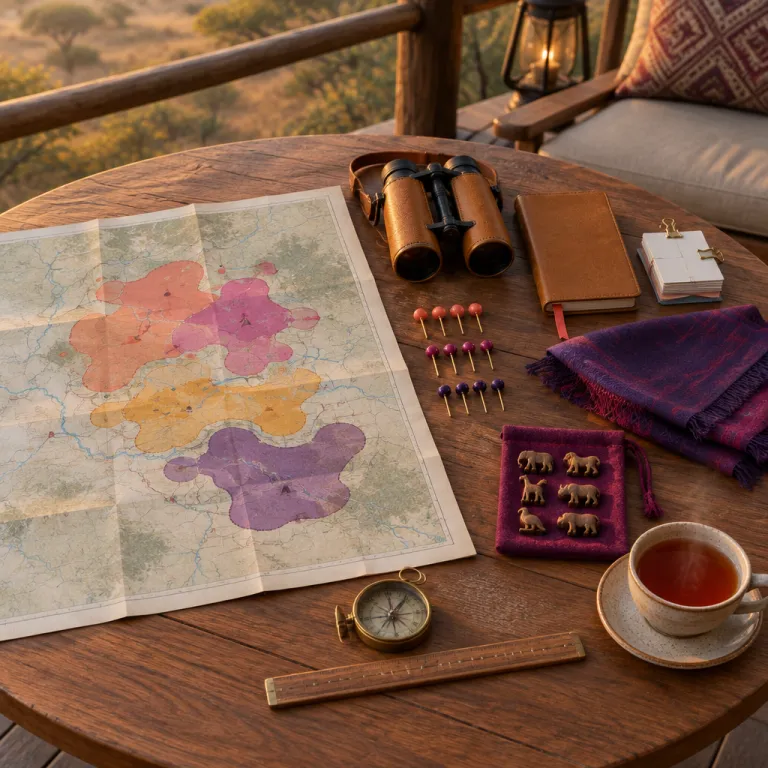
Reading the Sabi Sands coalition map for a luxury focused stay
The phrase “Sabi Sands coalition map 2025” reflects a growing desire to plan safaris around specific lion coalitions rather than only around lodges. Many guests now ask where famous male lions patrol, how prides shift, and which territories are most stable for viewing cubs over several years. If you are choosing a premium safari lodge in the Sabi Sands Game Reserve, understanding these lion dynamics can be as important as comparing room categories.
On modern luxury booking websites, interactive territory maps show how different lion coalitions overlap across the greater Sabi Sands landscape. These tools often layer the ranges of dominant males, established prides, and known denning zones over the boundaries of each private reserve. When you see the term “Sabi Sands coalition map 2025” in lodge descriptions, it usually signals that the property tracks lions carefully and aligns its game drives with current movements rather than relying only on historical patterns.
The Sabi Sands borders Kruger National Park with no internal fences, which allows lions to move freely between the national park and the private concessions. Over the years, this open system has produced legendary coalitions such as the Mapogo males, a group of powerful lions that once dominated large sections of the reserve. Today, luxury safari planners use historical data from that era to interpret current coalitions and to advise guests who want the best chance of seeing impressive males on a short stay, while still recognising that individual identities and exact genealogies are often debated among guides and researchers.
From Mapogo to modern males: why coalitions shape your lodge choice
When travellers search for “Sabi Sands coalition map 2025”, they are often inspired by stories of dramatic male takeovers and shifting pride control. The Mapogo lions changed how guides talk about male lion dynamics in the Sabi Sands and beyond, turning coalition behaviour into a central theme of safari storytelling. Their legacy still influences how premium lodges describe current males and how booking platforms present territory maps to potential guests who want more than a simple list of animals.
For someone booking a high end safari, the position of dominant males and their prides can be as decisive as the size of a suite or the wine list. A lodge located near the core territory of a stable coalition usually offers more consistent sightings of cubs, mating pairs, and males patrolling the reserve. When a booking website overlays lodge locations with lion ranges, it allows you to compare not only price tiers but also the likely intensity of predator viewing, which helps explain what you really pay for on an African safari from budget to ultra luxury properties along a detailed cost spectrum.
Luxury platforms now highlight whether a lodge sits near a boundary where rival coalitions meet, or deep inside a single coalition’s heartland. Boundary areas can produce explosive encounters between males, while central territories often provide calmer scenes of prides resting on open ground near waterholes. By reading the lion dynamics around each camp, and by noting how many years a coalition has held its range, you can align your expectations with the style of sightings you value most, whether that is high drama or quieter family moments.
Understanding prides, cubs, and the emotional pull of lion families
Many guests using a Sabi Sands coalition map are less interested in famous males and more drawn to the intimate lives of prides and cubs. A pride in this reserve usually consists of related females, their offspring, and the current coalition of males that controls the territory. When a coalition is stable, females can raise multiple generations of cubs, which creates the family narratives that keep travellers returning to the same game reserve for years to follow the unfolding story.
Premium booking websites now describe not only the lodge facilities but also the resident prides that guests are likely to follow during a stay. You might read that a particular area hosts two long established prides whose territories overlap near a river, or that a new set of males recently took over and pushed older lions across the boundary toward Kruger National Park. These details help you choose between lodges in the same reserve by focusing on the emotional experience of tracking specific lion families rather than only on décor or cuisine.
Some travellers even time their safari to coincide with key phases in lion dynamics, such as when cubs are first introduced to the pride or when young males begin to roam away from their natal territory. Regional conservation funding and community based protection projects across southern Africa help safeguard the wider ecosystems that support these prides beyond South Africa’s flagship reserves. When you book through a platform that explains how coalitions, prides, and protected areas interconnect, you gain a deeper sense of how your luxury safari contributes to long term wildlife security instead of being an isolated holiday.
The legacy of Kinky Tail and Pretty Boy in modern safari storytelling
The names Kinky Tail and Pretty Boy still echo through guide briefings whenever guests mention the Sabi Sands coalition map and its history. Kinky Tail, a Mapogo male with a distinctive broken tail, and Pretty Boy, another prominent member of that coalition, became symbols of raw power and shifting dominance in the Sabi Sands ecosystem. Their story illustrates how a single group of males can reshape multiple prides and redraw the predator map across a vast reserve over just a few years.
Luxury lodges and booking platforms now use this history to frame current coalitions for guests who want context with their sightings. When a guide explains that a present day group of males controls roughly the same territory once ruled by the Mapogo, it gives weight to each track in the sand and each roar heard at night. Guests quickly understand that the drama unfolding around their safari vehicle is part of a longer narrative that stretches back many years and links the Sabi Sands to the wider Greater Kruger ecosystem.
For travellers comparing premium lodges online, references to Kinky Tail, Makulu, Pretty Boy, and other Mapogo lions serve as a shorthand for areas with a rich history of lion dynamics. A booking website might note that a camp lies close to a river crossing where famous males once clashed with rivals, or that the current dominant lion is associated with a pride that survived those turbulent times. When you see such detail woven into property descriptions, supported by a clear map of lion territories, it signals a level of guiding depth that helps justify higher nightly rates and a more specialised focus on big cat behaviour.
Single destination stays and how coalitions influence your itinerary
Travellers who study the Sabi Sands coalition map often question whether to split their time between several lodges or settle into one camp for longer. Lion movements provide a compelling argument for extended single destination safaris, especially when a strong coalition of males anchors the area. By staying in one part of the Sabi Sands for five or more nights, you increase your chances of witnessing different facets of the same prides, from hunting attempts to tender moments with cubs and subtle shifts in hierarchy.
Luxury booking platforms now highlight suggested lengths of stay based on current lion dynamics and seasonal changes in prey movements. If a coalition of males has recently expanded its territory to include new sections of woodland and riverine forest, a longer stay allows you to follow that expansion day by day with the same guiding team. For a deeper perspective on this style of travel, many planners reference the value of a one camp, five night, single destination safari, which reveals patterns that a multi stop itinerary often misses in such a complex reserve.
When you evaluate lodges online, pay attention to how clearly each property explains its access to core lion territories and to the boundaries where coalitions meet. A camp positioned near a key junction between the Sabi Sands and Kruger National Park may offer both resident prides and transient males passing through from the national park. If the booking website pairs this information with transparent pricing and clear explanations of what is included, you can confidently match your budget to the level of immersion you seek in the lives of Sabi Sands lions and their ever shifting coalitions.
Using coalition data responsibly on luxury booking platforms
The growing prominence of the Sabi Sands coalition map raises important questions about how wildlife data is shared on commercial booking sites. Detailed information about male movements, pride locations, and cub den sites can enhance guest experiences, yet it must be handled with care to protect the animals. Responsible platforms work closely with reserve management to ensure that maps of coalitions respect sensitive zones and do not encourage off road pressure in fragile areas of sand and riverbank.
Ethical luxury operators in South Africa’s private reserves often delay publishing exact locations of den sites and avoid naming every individual lion in public facing materials. Instead, they present broader territories, explain the history of key coalitions, and focus on how guests can enjoy sightings while maintaining distance and minimizing disturbance. When a booking website emphasises its partnership with the Sabi Sands and neighbouring properties, it signals that your safari will balance thrilling encounters with long term conservation priorities.
For travellers, the most trustworthy use of lion dynamics data appears when a platform combines coalition maps with clear guidance on viewing etiquette and conservation contributions. Look for explanations of how your nightly rate supports anti poaching units, habitat management, and community projects that surround the Greater Kruger landscape. When the story of Kinky Tail, Makulu, Pretty Boy, and other legendary males is framed within this wider context, the Sabi Sands experience becomes more than a checklist of sightings; it becomes a meaningful engagement with one of Africa’s most intricate predator ecosystems.
Key figures shaping lion focused safaris in the Sabi Sands
- South Africa’s Kruger National Park and the adjoining Sabi Sands Game Reserve together protect a vast expanse of habitat for lion coalitions in Africa, forming one of the continent’s most significant unfenced conservation landscapes.
- Long term monitoring projects in the Greater Kruger ecosystem show that dominant male lions typically hold a territory for several years, which directly influences how often prides change control and how frequently cubs face the risk of infanticide during takeovers.
- Research by conservation organisations such as Panthera indicates that lion populations in well managed private reserves, including parts of the Sabi Sands, can remain stable or increase when intensive monitoring, habitat management, and anti poaching measures are in place.
- Tourism studies from South African authorities report that wildlife viewing, with lions as a primary drawcard, accounts for a substantial share of international leisure arrivals to the country, underscoring why detailed information about lion dynamics now appears on many luxury booking platforms.
- Analyses from institutions like the African Leadership University’s School of Wildlife Conservation suggest that high value photographic safaris can generate significantly more revenue per hectare than some consumptive uses, which helps fund close tracking of prides, coalitions, and broader predator–prey dynamics.
FAQ about lion coalitions and luxury lodge bookings in the Sabi Sands
How does the Sabi Sands coalition map 2025 influence which lodge I should book?
The coalition map highlights where dominant males and established prides currently hold territory, which helps you choose lodges positioned near stable family groups or dynamic boundary zones. By matching your preferred style of sightings, whether calm pride life or intense coalition interactions, to specific areas of the reserve, you can narrow down properties that best align with your expectations. Many luxury booking sites now integrate this information directly into lodge profiles to support more informed decisions about where to stay.
Can I reliably see the descendants of the Mapogo lions on safari?
The original Mapogo coalition no longer patrols the Sabi Sands, but their story still shapes how guides interpret current lion dynamics. Some prides and younger males may trace lineage back to that era, yet exact family trees are complex due to movements between the Sabi Sands and Kruger National Park and the natural mixing of genes over time. You should view any mention of Mapogo descendants as part of a broader historical narrative rather than a guaranteed identification of specific individuals on your game drives.
Is a single camp stay better than a multi stop itinerary for lion viewing?
A single camp stay of at least four or five nights in one area of the Sabi Sands often provides a deeper understanding of local prides and coalitions than a rapid multi stop circuit. Remaining in one territory allows you to follow the same males and cubs across several drives, seeing different behaviours as conditions change from morning to evening. Multi stop itineraries can still be rewarding, but they usually prioritise variety of landscapes over detailed insight into one lion population.
How do luxury lodges protect lions while sharing coalition information online?
Responsible lodges coordinate with reserve management to ensure that any public maps of coalitions show general territories rather than precise den sites or sensitive locations. They also train guides to maintain respectful distances, limit vehicle numbers at sightings, and avoid excessive off road driving that could stress prides and cubs. When evaluating booking platforms, look for clear statements about conservation partnerships, data sharing protocols, and viewing guidelines alongside any coalition maps.
Are lion sightings guaranteed if I choose a lodge in a prime coalition territory?
No safari can guarantee specific sightings, even in areas with strong coalitions and high densities of prides. Weather, vegetation, prey movements, and the natural choices of the animals all influence daily viewing, though lodges in core territories usually offer higher probabilities over several days. Booking a longer stay, travelling in a season with good visibility, and choosing a camp with experienced guides all increase your chances of memorable encounters with lions in the Sabi Sands.