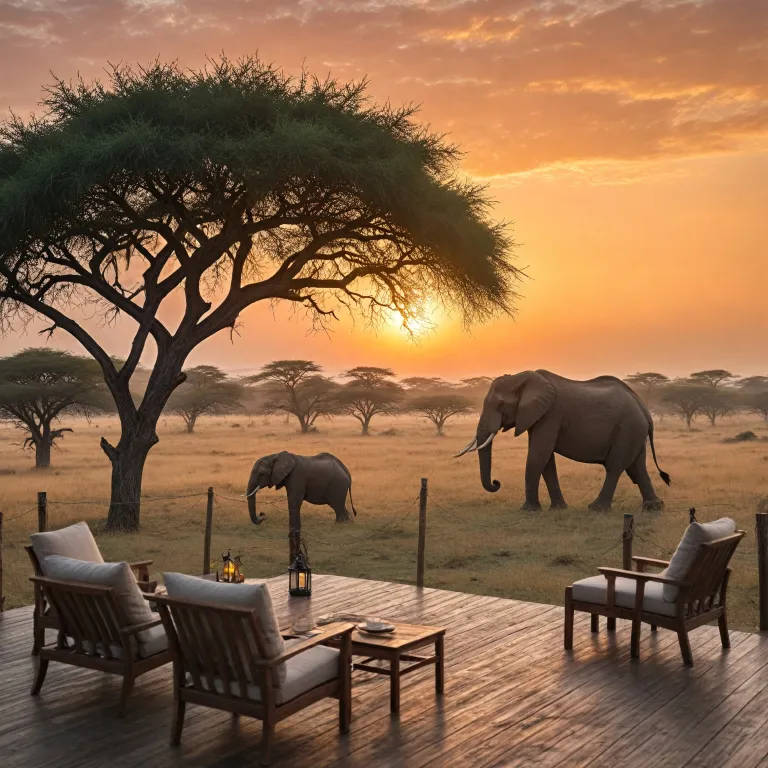
How the best time to go to Kenya shapes your safari lodge experience
Understanding the best time to go to Kenya is essential when you plan a luxury safari lodge stay. Your choice of time and season will influence wildlife viewing, comfort, and the overall atmosphere in national parks and private conservancies. For travelers comparing a Kenya safari with a Tanzania safari, timing also determines how easily you can combine both countries in one seamless journey.
Kenya offers rewarding safari experiences in every season, yet each time of year brings distinct advantages and trade offs. The long dry season is widely considered the best time for wildlife viewing, while the shorter wet season transforms the landscape into a lush, photogenic backdrop. When you visit Kenya with a focus on premium lodges, you will want to balance game viewing priorities with privacy, exclusivity, and ease of access to remote parks.
Luxury travelers often ask which month is the best time to go to Kenya for both wildlife and refined lodge experiences. The answer depends on whether you value the drama of the great migration, quieter pools and spas, or the soft light and green plains of the rainy season. By aligning your preferred time to visit with Kenya’s climate patterns and wildlife movements, you can secure an excellent good balance between comfort, adventure, and value.
Dry season advantages for luxury Kenya safari lodges
The classic dry season from roughly June to October is widely regarded as the best time to go to Kenya for first time safari guests. During this dry season, vegetation thins out and wildlife concentrates around permanent water sources, creating outstanding wildlife viewing from both vehicles and lodge decks. Many national parks, including the famous Maasai Mara National Reserve and Amboseli National Park, offer consistently high densities of wildlife at this time of year.
For guests staying in premium lodges, the dry season brings clear skies, cooler nights, and comfortable daytime temperatures around 25 °C, which is ideal for long game drives. This period is also the prime time to witness the great wildebeest herds as they move into the Maasai Mara, creating the iconic wildebeest migration scenes along the Mara River. If you are planning a combined Kenya Tanzania itinerary, this is often the best time to coordinate a Kenya safari with a Tanzania safari in the Serengeti for a broader view of the great migration.
Because this is the best time for many travelers to visit Kenya, availability at top lodges in the Mara and other national parks can be tight. You will need to book your preferred month well in advance, especially if you want specific suites or private vehicles. The main risk in the dry season is not weather, but missing out on your first choice of lodge or room category if you delay your reservation.
Wet season, rainy season, and shoulder months for discerning travelers
The wet season in Kenya, particularly the long rains around April, can be an unexpectedly rewarding time to visit Kenya for guests who value tranquillity and lush scenery. During this rainy season, the plains around Nairobi and in many national parks turn emerald green, and dramatic skies create striking photographic conditions. While some roads become muddy, many luxury lodges are well prepared for the wet season and maintain reliable access to key wildlife viewing areas.
For travelers focused on the best time to go to Kenya with fewer crowds, the shoulder months of March and November can be a good month choice. March is often a march good compromise between the dry season clarity and the onset of heavier rains, offering a good balance of wildlife viewing and attractive pricing at high end lodges. In these months, you will often find more attentive service, as staff can dedicate additional time to each guest, and spa or wellness facilities feel especially serene.
There is some risk of showers affecting specific activities during the wet season, yet many safari drives still operate successfully, especially in well managed parks. Kenya Wildlife Service and local operators monitor conditions closely, and they adjust routes to keep guests safe and comfortable. If you are flexible about the exact time year and month of travel, these quieter periods can be an excellent good option for photographers, repeat visitors, and couples seeking privacy.
Timing your visit to the Maasai Mara and the great wildebeest migration
For many guests, the best time to go to Kenya is defined by the chance to witness the great wildebeest herds in the Maasai Mara. The great migration, also known as the wildebeest migration, is a natural movement of animals between the Serengeti and the Mara that depends on rainfall and grass growth. The Kenya Tourism Board notes that in Kenya, it typically occurs from July to October, which aligns with the heart of the dry season.
When you plan a Kenya safari focused on the Maasai Mara, you should think carefully about which month aligns with your expectations. Early in the season, the herds may be entering from Tanzania, while later months can bring dramatic river crossings and intense predator action. This period is often considered the best time for wildlife viewing in the Mara, but it is also when lodges are busiest, so you will want to secure your preferred camp and room type well ahead of travel.
Travelers combining a Kenya Tanzania safari circuit often start in the Serengeti before moving north to the Maasai Mara as the herds shift. This strategy allows you to follow the great migration across borders and maximize your time visit in both ecosystems. Because conditions can vary from one time year to another, experienced tour operators use real time data and local reports to fine tune the exact dates of your visit Kenya itinerary.
Regional nuances: Nairobi, Mombasa, Mount Kenya, and coastal extensions
Choosing the best time to go to Kenya also depends on whether you plan to combine safari with city or beach stays. Nairobi, the capital, enjoys relatively mild conditions year round, making it a convenient starting point for a Kenya safari in any season. Nairobi National Park, located close to the city, offers surprisingly strong wildlife viewing, especially in the dry season when animals congregate near water sources.
Many luxury travelers like to end their visit Kenya journey with a few days on the coast around Mombasa or the nearby beaches. The coastal climate is more humid than the interior, and the wet season can bring heavier showers, particularly around April and May. If you want long, sunny days by the Indian Ocean after your time visit in the national parks, the drier months outside the peak rainy season are usually the best time for a beach extension.
For guests interested in more active experiences, Mount Kenya offers trekking and scenic lodge stays in the central highlands. Conditions on Mount Kenya are generally cooler than in the lowland parks, and the dry season is again the best time for clear views and safer trails. When planning a combined itinerary that includes Nairobi, Mount Kenya, inland parks, and Mombasa, you will need to consider how each region’s season affects comfort, access, and the overall rhythm of your journey.
Balancing risk, value, and exclusivity when choosing your month
From a planning perspective, the best time to go to Kenya is not only about weather and wildlife, but also about managing risk and value. Peak dry season months in the Maasai Mara and other flagship national parks bring exceptional wildlife viewing, yet they also carry the risk of higher prices and limited availability at the most sought after lodges. By contrast, the shoulder periods around March and late October can be a good month compromise, offering excellent good game viewing with slightly softer rates.
Health and safety considerations also influence the ideal time year for your visit Kenya itinerary. Kenya Wildlife Service and the Kenya Tourism Board emphasize the importance of staying informed about local conditions, and they encourage travelers to consult health specialists before departure. As they explain, "Yes, it's recommended to get vaccinations for diseases like yellow fever and take malaria prophylaxis. Consult with a travel health specialist before your trip."
When evaluating the risk of rain, road conditions, or occasional travel advisories, many luxury travelers work with experienced tour operators who monitor real time updates. These partners help you choose the best time to go to Kenya based on your tolerance for unpredictability and your desire for exclusivity. Whether you prioritize the drama of the wildebeest migration, the quiet beauty of the wet season, or the balance of a march good shoulder period, careful timing will elevate your Kenya safari experience.
Practical booking strategies for luxury and premium safari lodges
Once you have identified the best time to go to Kenya for your priorities, the next step is to secure the right lodges in the right parks. For peak dry season stays in the Maasai Mara, Amboseli, or other flagship national parks, you will generally need to book many months ahead. This is especially true if you want specific room categories, private guides, or exclusive use of vehicles for your Kenya safari.
During the wet season and shoulder months such as March, you may find more flexibility and attractive offers at high end properties. A march good strategy is to target a good month when wildlife viewing remains strong, yet demand is slightly lower, allowing you to enjoy more space and personalized service. In these periods, you can often secure suites with expansive views over the Mara or other parks, while still benefiting from excellent good guiding and wildlife viewing.
For travelers planning a combined Kenya Tanzania safari, it is wise to coordinate bookings across both countries early, particularly if you want to follow the wildebeest migration. Aligning your time visit in Kenya with your time in Tanzania ensures you will be in the right place for key wildlife events, whether in the Maasai Mara or the Serengeti. By working closely with reputable operators and using guidance from Kenya Wildlife Service and the Kenya Tourism Board, you can confidently choose the best time to go to Kenya and create a seamless, memorable journey.
Key statistics on timing a Kenya safari lodge stay
- Average daytime temperature during the main dry season in many safari regions is around 25 °C, which is comfortable for game drives and lodge activities.
- Kenya welcomes approximately 2 000 000 international visitors annually, with a significant share traveling primarily for safari and wildlife viewing.
Essential questions about the best time to go to Kenya
What is the Great Migration, and when can I witness it in Kenya?
The Great Migration is the annual movement of wildebeest and other herbivores between Tanzania's Serengeti and Kenya's Masai Mara. In Kenya, it typically occurs from July to October. This period is often considered the best time to go to Kenya for travelers who want to see dramatic river crossings and dense predator activity in the Maasai Mara.
Are there any health precautions I should take before traveling to Kenya?
Yes, it's recommended to get vaccinations for diseases like yellow fever and take malaria prophylaxis. Consult with a travel health specialist before your trip. These precautions apply regardless of the time year you choose to visit Kenya, and they are especially important if you plan to combine multiple national parks or remote regions in one itinerary.
Is it safe to travel to Kenya during the rainy seasons?
While travel is possible, some roads may become impassable, and certain activities might be limited. It's advisable to check local conditions and plan accordingly. Many luxury lodges remain open in the rainy season and adjust their operations to maintain safety and comfort, so the wet season can still be a good time to go to Kenya for guests who value quieter parks and lush landscapes.