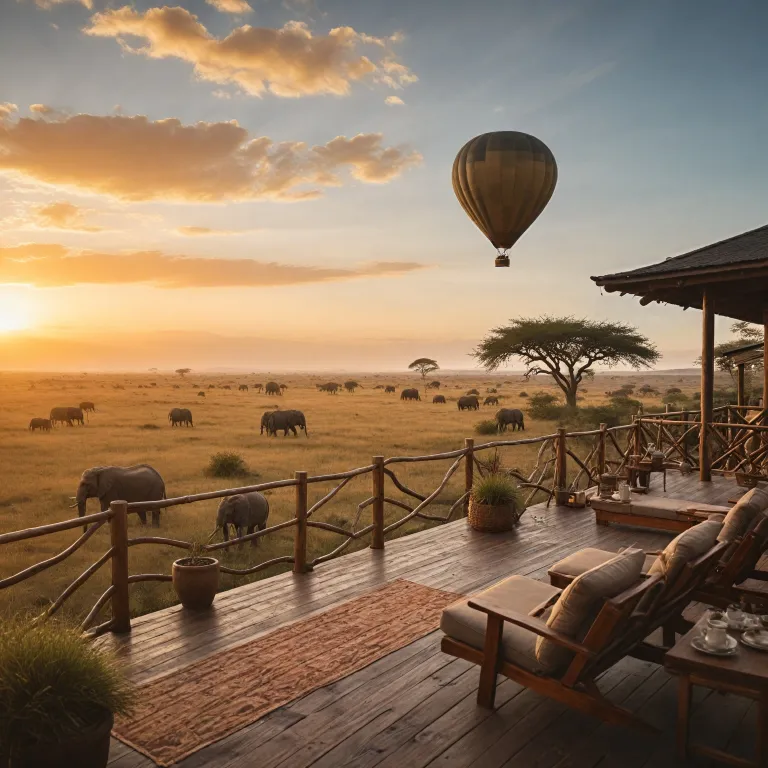
How the best month to visit Kenya shapes your safari expectations
Choosing the best month to visit Kenya is the single most important decision for a refined safari lodge stay. Your sense of luxury will depend as much on the time of year as on the thread count of your linens and the finesse of your guide. When you plan your time to visit Kenya carefully, every game drive, sundowner, and starlit dinner feels effortlessly orchestrated.
For many travelers, the best time is linked to the dry season, when wildlife viewing concentrates around water and the bush thins out. From June to October, most national parks and each national reserve offer excellent good game viewing, with clear skies and pleasantly cool nights. This dry season also aligns with peak demand for every Kenya safari lodge, so premium booking websites become essential tools for securing the right suite or tented villa.
Luxury travelers often ask which month is the single best month to visit Kenya for both wildlife and comfort. The answer depends on whether you prioritize the great wildebeest spectacle, quiet exclusivity, or a combination of safari and beach relaxation. Understanding how each time of year affects the character of a Kenya safari helps you match your expectations to reality.
Kenya Tourism Board and Kenya Wildlife Service emphasize that Kenya is a year round destination, but they also highlight seasonal nuances. Their guidance underpins how high end platforms curate lodge availability, private guides, and tailored itineraries. When you align your chosen month, your preferred national park, and your style of lodge, the result is a Kenya best experience that feels both seamless and deeply personal.
Dry season from June to October: the classic answer to the best time to visit Kenya
For many connoisseurs of safari, the dry season from June to October is the classic best time to visit Kenya. During these months, the vegetation is sparse, water sources shrink, and wildlife viewing becomes wonderfully predictable around rivers and waterholes. This is when a Kenya safari feels cinematic, with clear light, crisp mornings, and long afternoons of unhurried game viewing.
Average daytime temperatures in Nairobi hover around 20 °C, which makes travel between national parks comfortable and transfers to remote lodges less tiring. In this dry season window, most travelers consider any month from June to October a best month to visit Kenya for first time visits. The absence of heavy rains means airstrips are reliable, and luxury lodges can maintain polished service standards without weather related disruptions.
July to October is also the prime time of year for the great wildebeest spectacle in the Maasai Mara and the adjacent Masai Mara National Reserve. During this period, the great wildebeest herds cross from Tanzania, creating the famed wildebeest migration that defines many Kenya safari dreams. If your priority is to witness the wildebeest migration at river crossings, then your personal best time and best month to visit Kenya will likely fall within this window.
Because this is the Kenya best peak season, premium booking websites for safari lodges become crucial. High demand for top suites in each national park or national reserve means that last minute availability is rare, especially in the Masai Mara. Booking platforms that show real time lodge inventory and integrate Kenya Wildlife Service park regulations help you secure the right property at the right time of year.
Green and shoulder seasons: when the rains redefine luxury and value
Outside the main dry season, the so called green and shoulder seasons offer a different interpretation of the best month to visit Kenya. These periods coincide with the long rains around March and April and the shorter rains later in the year, which transform the landscapes into lush, photogenic scenes. For travelers who value tranquillity, softer light, and better value at luxury lodges, this can be the best time to visit Kenya.
During the rainy season, wildlife viewing remains strong in many national parks, although game viewing can be more dispersed and roads occasionally challenging. Kenya Wildlife Service notes that many parks remain accessible, and experienced guides adapt routes to the conditions. As one advisory explains, "While some roads may be challenging during the rainy season, many parks remain accessible, and the landscapes are lush. It's advisable to check local conditions and consult with tour operators."
For some guests, March is a surprisingly march good month to visit Kenya, especially for photographers who appreciate dramatic skies and emerald plains. April can also be a rewarding month of the year for a Kenya safari, particularly in conservancies with well maintained roads and fewer vehicles. In these months, premium booking platforms often highlight special offers at high end lodges, allowing you to upgrade room categories or add private vehicles.
Green season also suits travelers who wish to combine a Kenya safari with a quieter beach stay on the Indian Ocean. After time in a national park or national reserve, you can fly to the coast where the rains often fall in short, refreshing bursts. For many repeat visitors, this balance of value, atmosphere, and flexibility makes the so called off peak months their personal Kenya best time to visit.
Matching specific regions and parks to the best month to visit Kenya
The best month to visit Kenya varies significantly between regions, so aligning your chosen national park or national reserve with the right season is essential. The Maasai Mara and Masai Mara conservancies are most famous from July to October, when the great wildebeest herds arrive. However, resident wildlife ensures excellent good game viewing throughout much of the year, especially in the drier months outside the heaviest rains.
In contrast, areas around Mount Kenya offer a different rhythm, with cooler temperatures and lush forests that reward patient wildlife viewing. Here, the best time to visit Kenya might be during clearer months when mountain views are unobstructed and walking safaris are comfortable. Premium booking websites often flag which time of year is ideal for activities such as fly fishing, forest hikes, or scenic helicopter flights around Mount Kenya.
Lake Nakuru National Park, renowned for its birdlife and rhino populations, tends to be rewarding in both dry and shoulder seasons. When the rains are not too intense, the combination of wildlife viewing and scenic lake vistas can make March good or April particularly appealing. For bird enthusiasts, almost any month of the year can be a best time, provided you check water levels and access conditions in advance.
Along the coast, the best time to visit Kenya for a combined safari and beach itinerary often falls just after the main rains. Clearer seas and calmer winds enhance diving and snorkeling, while inland parks benefit from refreshed grazing. Luxury booking platforms that integrate both Kenya safari lodges and coastal retreats help you sequence your time to visit so that each region is enjoyed in its optimal season.
How luxury booking platforms curate the Kenya safari calendar
For travelers seeking refined safari lodges, the best month to visit Kenya is rarely chosen in isolation from the booking experience. High end platforms analyze patterns of rains, migration movements, and lodge occupancy to recommend the best time and best time of year for each region. This data driven approach ensures that when you visit Kenya, your expectations for wildlife viewing and comfort align with reality on the ground.
Many premium sites integrate guidance from Kenya Tourism Board and Kenya Wildlife Service, as well as local tour operators. Their tools often include seasonal calendars that highlight when the wildebeest migration is likely in the Maasai Mara and Masai Mara conservancies. They also flag when certain national parks may be affected by the rainy season, helping you avoid dates when roads or airstrips could be compromised.
For example, if your priority is the great wildebeest spectacle, the platform will steer you toward July to October and suggest specific camps along key river crossings. If you prefer quieter game viewing and lower lodge rates, it may highlight March good or late October as a Kenya best compromise. When your focus is a blend of Kenya safari and coastal relaxation, the system can propose a time to visit that balances dry season inland with pleasant beach conditions.
These platforms also support broader East African planning, sometimes linking to resources such as an elegant guide to the top safari lodges in South Africa. By comparing seasons, you can decide whether to prioritize a Kenya safari during the wildebeest migration or explore another national park further south at a different time of year. In every case, the goal is to translate complex climate and wildlife data into a simple, guest friendly answer to when to visit Kenya.
Balancing wildlife, beach, and culture across the Kenyan seasons
Defining the best month to visit Kenya also involves balancing wildlife, coastline, and cultural experiences. Many travelers choose to begin with a Kenya safari in a flagship national park or national reserve, then unwind on a beach along the Indian Ocean. The timing of the rains and the dry season will influence how you sequence these elements for maximum comfort and enjoyment.
From June to October, the dry season favors extended game viewing in areas like the Maasai Mara, Lake Nakuru, and conservancies near Mount Kenya. During this time of year, wildlife viewing is at its most predictable, and the great wildebeest spectacle adds drama to the Kenya safari experience. Afterward, a few days on the coast can be idyllic, especially when the sea is calm and humidity moderate.
In the green months around March and April, cultural festivals and community visits can become a highlight of your time to visit. With slightly fewer vehicles in the parks, guides can focus on slower, more interpretive game viewing and birdwatching. This can be an excellent good period for travelers who value connection and learning as much as ticking off the big five.
Throughout the year, Kenya Tourism Board promotes a diversified calendar that spreads visitors across different regions and seasons. This approach supports conservation goals in each national park and national reserve while giving guests more flexibility to define their own Kenya best time. Whether your priority is the wildebeest migration, a romantic beach stay, or a cultural immersion, there is always a time of year that aligns with your vision.
Practical tips for choosing your personal best time to visit Kenya
When using a luxury booking website to identify your best month to visit Kenya, start by clarifying your priorities. Decide whether your main focus is the great wildebeest spectacle, general wildlife viewing, photography, or a blend of safari and beach. Once you know what matters most, it becomes easier to match your time to visit with the right season and region.
If your dream is to witness the wildebeest migration in the Maasai Mara or Masai Mara conservancies, target the dry season from July to October. For broader Kenya safari experiences with fewer crowds and potentially better value, consider June or late October as transitional months. Travelers who appreciate lush landscapes and dramatic skies may find March good or April particularly rewarding, even if the rains add a touch of adventure.
Always check how the rainy season affects specific national parks, especially if you plan to combine a Kenya safari with a coastal beach stay. Some parks handle the rains better than others, and certain airstrips or roads may be more weather sensitive at that time of year. Consulting Kenya Wildlife Service updates and your chosen platform’s seasonal notes will help you avoid unnecessary disruption.
Finally, remember that Kenya is a year round destination, and there is no single universally perfect month. Instead, there is a Kenya best time that aligns with your interests, tolerance for heat or rains, and appetite for exclusivity. By using expert backed booking tools, official tourism resources, and clear personal preferences, you can define the best time to visit Kenya in a way that feels uniquely your own.
Key statistics for planning the best time to visit Kenya
- Average daytime temperature in Nairobi between June and October is around 20 °C, offering comfortable conditions for transfers and urban stays.
- Kenya welcomes approximately 2 000 000 international visitors per year, with a significant share traveling primarily for safari experiences.
- Dry season months from June to October and January to March consistently show the highest occupancy levels in leading safari lodges.
Essential questions about the best month to visit Kenya
What is the Great Migration?
The Great Migration is an annual movement of millions of wildebeest, zebras, and other animals between Tanzania's Serengeti and Kenya's Masai Mara, typically occurring from July to October. For many travelers, this period defines their personal best time to visit Kenya, especially if they prioritize dramatic wildlife encounters. Luxury lodges in and around the Masai Mara often book out far in advance during these months.
Is it safe to visit Kenya during the rainy season?
It is generally safe to visit Kenya during the rainy season, provided you plan carefully and stay informed. Some roads can become challenging, but many parks remain accessible with experienced guides and appropriate vehicles. Travelers who accept a little weather related unpredictability are often rewarded with lush scenery, fewer crowds, and attractive lodge rates.
Are there any major festivals or events in Kenya?
Kenya hosts several cultural festivals that can enrich a safari focused itinerary. Events such as the Lamu Cultural Festival and the Lake Turkana Festival showcase music, dance, and traditions from diverse communities. Aligning your time of year with these celebrations can add a memorable cultural dimension to your Kenya safari journey.