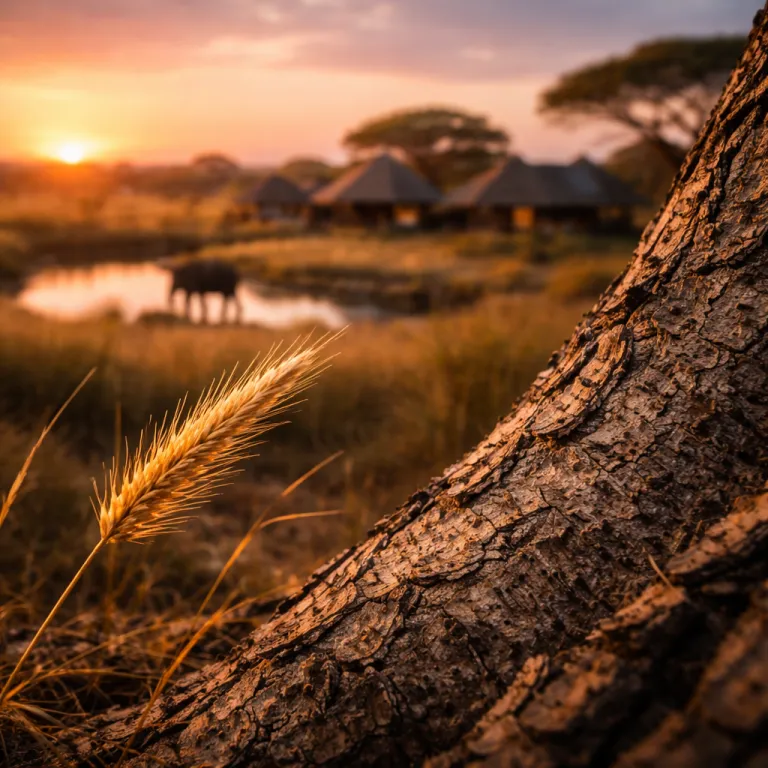
Reading between the lines of sustainable safari lodge conservation
Booking an African safari is no longer just about wildlife sightings and sundowners. For many travelers, sustainable safari lodge conservation now sits alongside game drives, guiding quality and ethical travel credentials when choosing where to stay. A lodge that treats conservation as marketing wallpaper rather than a core purpose will never deliver the best long term safari experience for wildlife, landscapes or local people.
Across southern Africa and East Africa, luxury safari lodges compete to present the most eco friendly story. Solar panels, refillable water bottles and low impact design are now hygiene factors rather than differentiators, especially in Botswana, South Africa and Kenya. With eco tourism demand rising and documented greenwashing cases increasing, you need a clear method to test whether a camp or lodge is genuinely sustainable or simply borrowing conservation language to sell a luxury safari.
The first step is to understand who actually runs the conservation work behind your chosen safari lodges. Serious properties usually reference specific actors such as lodge management teams, local communities and environmental NGOs, and they explain how these partners share decision making power. For example, some camps in the Okavango Delta work with community trusts that hold majority ownership, while several private reserves in South Africa co manage anti poaching units with national park authorities. When you see vague references to “our conservation partners” without names, budgets, projects or published impact reports, treat the claim with caution and start asking sharper questions about real, measurable impact.
The conservation fee test: where your luxury safari money goes
Every credible luxury safari lodge in Africa should be able to show you, in writing, how much of your nightly rate funds wildlife conservation. The most transparent camps in Botswana, South Africa and East Africa publish a clear conservation levy or bed night fee, often broken down between anti poaching, habitat restoration and support for local communities. For instance, the 2022 annual report of the Northern Rangelands Trust in Kenya notes that conservancies such as Lewa Wildlife Conservancy and Ol Pejeta Conservancy channel a defined portion of tourism revenue into ranger salaries, grazing management and community projects. Independent financial reviews of selected conservancies in Kenya and Namibia, including the 2018 WWF Namibia “Community Conservation in Namibia” report, suggest that between 10 and 25 percent of guest revenue can flow into conservation and community projects when models are well designed. When a lodge cannot provide this percentage, or folds everything into a vague “sustainable operations” line, the conservation story starts to look thin.
Before you confirm a booking for an African safari, ask for the latest sustainability or impact report. Strong operators in southern Africa will usually share figures on ranger salaries, fuel and equipment for anti poaching patrols, and contributions to national park authorities or conservancy trusts. In several monitored reserves, for instance, impact summaries from organisations such as Save the Rhino International (for example, its 2020 “State of Rhino” briefing) and the 2019 Greater Kruger Environmental Protection Foundation report have documented double digit increases in ranger numbers and significant reductions in snaring after conservation levies were introduced. To go deeper into how these levies work across regions like the Okavango Delta, Sabi Sands and private reserves near Victoria Falls, study a specialist guide on where your safari dollar actually goes before you choose between lodges.
One dataset used by conservation auditors, the Global Sustainable Tourism Council (GSTC) recognised standards database updated in 2021, notes that only a minority of eco certified lodges worldwide currently meet robust, independently verified criteria. This is why experts at bodies such as the UN Environment Programme and the World Travel & Tourism Council advise travelers who want to help genuine conservation to “Check official certifications and request detailed sustainability reports.” When a lodge passes this conservation fee test with specific numbers, you can be more confident that your safari experience supports real wildlife protection rather than marketing copy.
Community trusts, governance and who really benefits
True sustainable safari lodge conservation always runs through local communities, not around them. In Botswana, Namibia and parts of East Africa, community conservancy models give villages legal rights over land and wildlife, then partner with luxury safari camps to generate income. This structure means that every game drive, every year round safari experience and every lodge bed night can help fund schools, clinics and grazing management when governance is transparent and communities hold real power.
When you assess a lodge website, look for the governance details behind its community work. A serious camp will name the community trust, list elected board members from local communities and explain how revenue from safari experiences is divided between conservation and social projects. Some conservancies in southern Africa now publish simple diagrams that show what proportion of each guest night goes to land leases, ranger teams and community development funds, making it easier to compare lodges. By contrast, red flag language talks about “supporting our neighbours” or “working with local people” without mentioning any formal trust, co ownership model or long term agreement that can be checked against public records or annual reports.
Corporate social responsibility projects that deliver seasonal donations but no voting power rarely transform conservation outcomes. In South Africa and around Cape Town, some of the best lodges now publish annual reports that show how many local staff are in management, how many contracts go to local suppliers and how much is invested in training. A few impact summaries also track school attendance, scholarship numbers and internship placements linked to safari revenue. When you see this level of detail, you know your luxury safari stay is part of a wider, sustainable system rather than a one off charity gesture. As a practical illustration, a typical lodge charging US$1,000 per person per night might allocate a US$100 conservation levy, with roughly US$50 going to ranger salaries and patrol vehicles, US$30 to community development funds and US$20 to habitat restoration and monitoring, a pattern reflected in several 2019–2022 conservancy financial statements from Kenya and Namibia.
Anti poaching, carbon claims and the limits of ‘eco friendly’ language
Wildlife conservation in Africa is expensive, and anti poaching work is the sharp end of that cost. Helicopter hours, tracking dogs, ranger training and night vision equipment all sit behind the serene safari experiences you enjoy in a national park or private reserve. Independent evaluations of several high risk rhino areas, including a 2017 study in the journal Biological Conservation on intensive protection zones in Kruger National Park and a 2020 Save the Rhino International review of private reserves in KwaZulu Natal, have shown that sustained funding for ranger teams, vehicles and aerial support can cut poaching incidents dramatically over a five to ten year period. If a lodge claims to fund anti poaching but cannot share even broad budget ranges or named partners, the story deserves scrutiny.
Many properties now lead with “carbon neutral” or “eco friendly” badges, yet these can be the weakest sustainability claims. Solar power, water recycling and careful waste management are now standard in serious safari lodges from the Okavango Delta to Sabi Sands, so they no longer prove exceptional commitment. What matters more is whether the lodge invests in habitat restoration, species reintroduction or corridor protection that goes beyond low impact operations and into regenerative conservation, as highlighted in the 2021 IUCN “Guidelines for Conserving Connectivity through Ecological Networks and Corridors.”
Travelers should also be wary of stock photography of wildlife and landscapes that does not match the actual ecosystem. A camp in South Africa using images from East Africa, or a lodge near Victoria Falls showing generic savannah scenes without local context, may be signalling a marketing first mindset. When you compare options on a curated list of top luxury safari booking websites, prioritise those that link to detailed impact reports, named conservation partners and dated project updates rather than relying on glossy imagery and generic eco friendly slogans.
How to interrogate a lodge’s conservation story before you book
Pre booking research is your most powerful conservation tool as a solo explorer planning a luxury safari. Start by checking independent certification databases such as EarthCheck or Travelife, then cross reference with recent guest reviews that mention conservation, guiding and engagement with local communities. When only marketing copy talks about sustainable safari practices, and guests barely reference conservation, you may be looking at a gap between promise and reality that deserves closer questioning.
Next, email the lodge or your specialist agent with specific questions about sustainable safari lodge conservation. Ask which environmental NGO partners advise the camp, how many rangers are funded through your stay, and what percentage of revenue goes into community trusts or national park fees. To make this easier, some travelers now use a simple checklist that covers conservation levies, community governance, anti poaching budgets, habitat projects and guest participation opportunities. Serious safari lodges in Botswana, South Africa and East Africa will usually respond with concrete numbers, project names and examples of how guests can help on the ground, from citizen science to low impact walking safaris and behind the scenes conservation briefings.
Finally, pay attention to how the lodge invites you into its conservation work once you arrive. The best camps offer behind the scenes time with anti poaching units, visits to community projects and honest conversations about challenges such as human wildlife conflict. In a few well documented cases, lodges have even shared real time data on wildlife sightings, snare removals and community meetings so guests can see how their stay contributes. When a property treats conservation as a living, sometimes messy process rather than a polished brochure line, your safari experience becomes part of a credible, long term story for wildlife and people across southern Africa.
FAQ
How can I verify a lodge's conservation claims before booking ?
Start by checking whether the lodge holds recognised sustainability certifications from bodies such as EarthCheck or Travelife, then request its latest sustainability or impact report. Look for clear figures on conservation levies, anti poaching budgets and contributions to local communities rather than vague eco friendly language. As one expert summary from the UN Environment Programme’s 2019 “Guidelines for Sustainable Tourism” puts it, “Check official certifications and request detailed sustainability reports.”
What are the main signs of greenwashing in safari lodges ?
Common warning signs include websites that use generic wildlife images, talk about being sustainable without naming any conservation partners and avoid publishing numbers. If a lodge emphasises carbon neutral operations but says little about anti poaching, habitat restoration or community trusts, the conservation model may be shallow. Guest reviews that never mention conservation activities or engagement with local communities are another useful red flag when you are comparing safari lodges.
Why is it important to verify conservation claims on a luxury safari ?
Your nightly rate on a luxury safari can be one of the most powerful funding sources for wildlife protection and community livelihoods in Africa. Verifying conservation claims ensures that your money supports genuine anti poaching work, habitat protection and fair partnerships with local communities rather than marketing. This due diligence also rewards lodges that invest in long term sustainable safari lodge conservation and pushes the wider industry away from greenwashing and towards transparent, accountable eco tourism.
What questions should I ask a lodge about its conservation work ?
Ask what percentage of your nightly rate goes directly to conservation and community projects, and whether this is charged as a separate conservation levy. Request details of anti poaching programmes, including ranger numbers, training and partnerships with national park authorities or NGOs. Finally, ask how local communities share in decision making and revenue, ideally through named community trusts or co ownership structures that are documented in public reports or conservancy agreements.
Are eco certifications enough to guarantee a sustainable safari experience ?
Eco certifications are a useful starting point, but they are not the whole story. Some certified lodges still treat conservation as a side project, while a few uncertified camps in remote areas may deliver strong on the ground impact with local communities. Combine certification checks with impact reports, transparent financial data and guest feedback to judge whether a lodge’s conservation claims truly hold up and whether your luxury safari will genuinely support long term wildlife conservation.