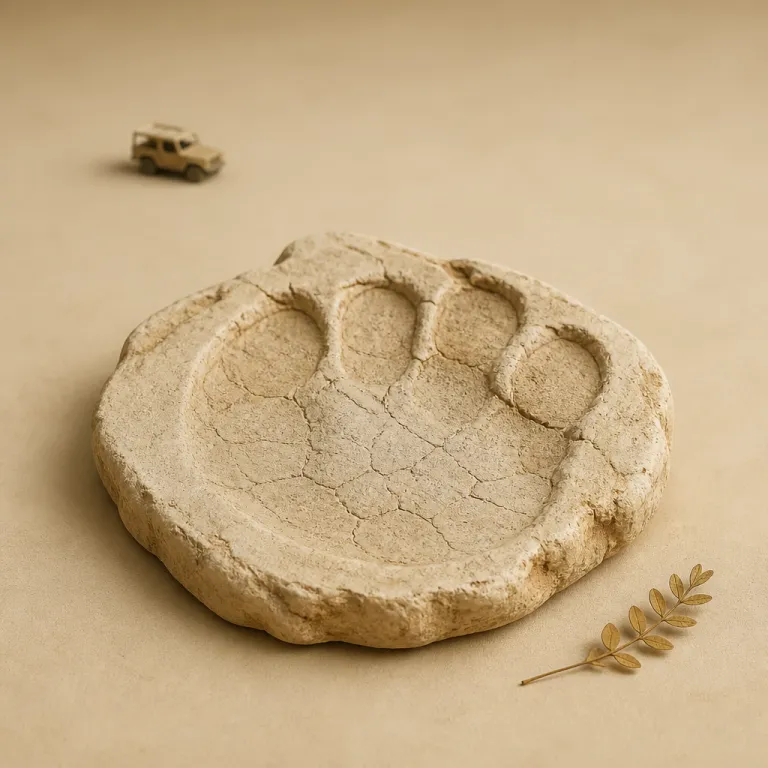
Why a Zimbabwe safari in Hwange and Mana Pools belongs on your family’s shortlist
Zimbabwe’s Hwange and Mana Pools offer a Zimbabwe safari that feels quietly radical, because the elephants still outnumber the vehicles. In a single day you can move from Hwange National Park’s pumped pans, crowded with game in the dry season, to the Zambezi River floodplains of Mana Pools National Park where walking safaris redefine what a family safari can be. For travellers used to the traffic of more famous parks in Africa, this is the rare luxury safari where silence, space and serious wildlife converge.
Hwange National, managed by the Zimbabwe Parks and Wildlife Management Authority, holds around forty five thousand elephants, and in peak dry season you feel every one of them at the waterholes. At a single pools national pan, hundreds of elephants rotate through in dusty waves, while other wildlife waits in the treeline and the African bush seems to hold its breath between each arrival. This is the essence of a Zimbabwe safari Hwange Mana Pools journey ; big game, low vehicle density and a conservation story that is still being written in real time.
Mana Pools, by contrast, is all about intimacy with the river and the freedom of movement on foot. The mana floodplains and their oxbow pools create a natural amphitheatre where game drifts between riverine forest and open sandbanks, and where a tented camp can feel like a private front row seat. For families who plan safari holidays around genuine wildlife experience rather than lodge theatrics, Hwange Mana and Mana Pools together are arguably the best twin park itinerary in Zimbabwe.
Hwange National Park: elephant cities at the waterholes
Hwange National Park is where the scale of Zimbabwe’s elephant story becomes impossible to ignore. Official figures from the Zimbabwe Parks and Wildlife Management Authority estimate around one hundred thousand elephants nationwide, with roughly forty five thousand concentrated in Hwange National alone, and in the dry season those numbers translate into living, shifting cities of grey at the pans. When you sit at a pumped pan for a full day, you watch breeding herds, lone bulls and nervous adolescents cycle through in a choreography that no game drives schedule could ever fully predict.
The park’s network of artificial waterholes, or pans, is controversial in some conservation circles, yet it is precisely these pools that create Hwange’s signature spectacle. Diesel pumps keep water flowing through the harshest months, drawing game from across the park and concentrating wildlife in a way that makes sightings extraordinarily intense for visiting safaris. For families, this means you can often stay in camp, watch the elephants come to you and still feel that your Zimbabwe safari Hwange Mana Pools itinerary is delivering the best possible use of every daylight hour.
Behind the scenes, technology is reshaping how this elephant density is managed. Rising human elephant conflict around the park’s fringes has pushed authorities and partners such as the International Fund for Animal Welfare to deploy GPS collars, EarthRanger monitoring and community alert systems to track movements and reduce risk. As one official explanation puts it without embellishment, “Conservation efforts and habitat availability have led to population growth.”
Painted dogs, predators and the wider Hwange game experience
Elephants may dominate the narrative, but Hwange’s wider wildlife story is just as compelling. This is one of Africa’s last strongholds for African painted dogs, and a well planned tour with the right guide can give your family a rare, unhurried hour with a full pack as it wakes, stretches and starts to hunt. Lions, cheetahs and hyenas work the same waterholes, and in the late dry season the tension between predator and prey is written clearly in every nervous zebra and impala that approaches the pools.
Luxury safari lodges and bush camps in Hwange tend to cluster around key pans and along the seasonal river systems, which keeps transfer times short and maximises time on game drives. A typical day might start with coffee at first light, a slow loop past several pans to check for fresh tracks, then a long midday pause back in camp while elephants crowd the water in front of the deck. For families, this rhythm allows younger travellers to rest while still feeling immersed in the game viewing that defines a Zimbabwe safari Hwange Mana Pools journey.
Compared with more saturated parks elsewhere in Africa, Hwange’s vehicle numbers remain low, and that has a direct impact on the quality of each sighting. Your guide can switch off the engine, let the wildlife settle and talk you through the behaviour in front of you, from the hierarchy at an elephant pool to the way painted dogs coordinate a hunt. It is this combination of serious wildlife, thoughtful guiding and relative solitude that makes Hwange National Park such a strong anchor for any plan safari focused on authenticity rather than spectacle.
Mana Pools National Park: walking, water and the art of going slowly
Mana Pools National Park sits on the lower Zambezi River, and everything about the experience here feels shaped by water and light. The mana floodplain is dotted with ancient albida trees and seasonal pools, and in the dry season the river pulls in wildlife from the escarpment in a daily migration that plays out just metres from your tented camp. Where Hwange is about vast horizons and pumped pans, Mana Pools is about texture, shade and the quiet drama of animals moving between river and bush.
This is one of the few major parks in Africa where, under strict conditions, walking safaris can include unguided walks for experienced visitors with permits, though most families will and should stay with highly trained professional guides. A typical day might start with a slow walk from camp, following fresh tracks from the pools national floodplain into the forest, reading the ground for signs of elephants, lions or painted dogs. The intensity of approaching big game on foot, with the Zambezi River glinting through the trees, is hard to overstate and is often the single experience that guests cite as the best of their entire Zimbabwe safari.
Camps here, from classic bush camps to more contemporary properties such as Nyamatusi Camp, are deliberately low slung and open to the elements. Canvas walls, outdoor showers and shaded decks keep you close to the African bush while still delivering the comfort level expected of a luxury safari, with families often booking a private tented camp suite or exclusive use camp to keep children close. For those comparing destinations, it is worth reading how top Zambian properties approach river based safaris in guides to Zambia luxury safari travel, then noting how Mana Pools offers a similar calibre of guiding with far fewer vehicles.
Canoes, predators and life along the Zambezi River
While walking safaris define the mana ethos, the Zambezi River adds an entirely different dimension to the park. Canoe safaris place you at water level with hippos, crocodiles and elephants, and the perspective shift from vehicle to canoe is profound, especially for teenagers who think they have seen it all from the back of a game viewer. Between game drives and walks, some camps offer gentle afternoon paddles or more committed multi day canoe journeys, with fishing for tiger fish adding another layer of activity for keen anglers.
Predator viewing in Mana Pools National Park can be exceptional, particularly in the late dry season when prey species are forced into the open along the river and remaining pools. Lions use the shade of the albida trees to ambush, wild dogs work the fringes of the floodplain and leopards move between the riverine forest and the escarpment, often leaving tracks right through camp overnight. For families, this means that even a relaxed day in camp, watching the river and listening to the bush, can turn into a serious wildlife experience without ever starting the vehicle.
Because Mana Pools is more remote than Hwange, many travellers choose to combine the two parks in a single Zimbabwe safari Hwange Mana Pools itinerary, flying between them on light aircraft. This not only saves time but also gives you a sense of Zimbabwe’s varied landscapes, from Hwange’s Kalahari sandveld to the Zambezi River valley. When you step out of the plane into the heat and birdsong of Mana, you feel that your tour of Zimbabwe’s wild north has shifted from the grand scale of Hwange to the intimate theatre of the river.
Victoria Falls to Hwange and Mana: how to structure a family itinerary
For most international travellers, Victoria Falls is the natural gateway to a Zimbabwe safari focused on Hwange and Mana Pools. The town sits close to the border with Zambia and Botswana, and its well served airport makes it easy to start or end a wider Africa journey here. With thoughtful planning, you can visit Victoria Falls, spend time in Hwange National Park and then fly on to Mana Pools National Park without ever feeling rushed.
A classic family itinerary might start with two nights in Victoria Falls, giving everyone time to walk the rainforest trails, take a gentle sunset cruise on the Zambezi River and adjust to the rhythm of the continent. From there, a three to four hour road transfer or short charter flight brings you into Hwange National, where you settle into a bush camp or tented camp overlooking a busy pan. After three or four nights of intense game drives and waterhole watching, you fly north to Mana Pools for a final three nights of walking safaris, canoeing and slow time along the river.
Pricing for this kind of luxury safari varies widely, but as a broad guide many high end camps in Hwange and Mana price from around several hundred to over one thousand USD per person per night, depending on season and exclusivity. Current exchange rates often work in favour of foreign visitors, making Zimbabwe a strong value proposition compared with some neighbouring countries for families who plan safari holidays at the premium end of the market. Visa on arrival is available for many nationalities, though you should always check the latest regulations before you start booking flights and camps.
Logistics, charters and the rhythm of the dry season
Timing is everything in Hwange and Mana Pools, and the dry season from roughly June to October is when the parks show their best wildlife density. In Hwange, this is when the pumped pans become magnets for elephants and other game, while in Mana the receding river levels expose sandbanks and concentrate animals along the remaining pools. For families, travelling in this window means fewer mosquitoes, cooler nights and clearer visibility on game drives and walks.
Internal logistics are straightforward once you understand the basic pattern. Most travellers fly into Victoria Falls, transfer by road or air to Hwange National Park, then take a light aircraft north to Mana Pools, before returning via Victoria Falls or connecting onwards to other Africa destinations. Charter flights are usually arranged through your chosen camp or specialist agent, and while they add to the overall cost in USD per person, they also reduce long road transfers that can be tiring for younger children.
When comparing this Zimbabwe safari Hwange Mana Pools circuit with more crowded routes in East Africa, it is worth reading how peak season operations are evolving in other regions, such as the Great Migration camps analysed in this peak season safari report. The contrast is striking ; in Hwange and Mana, you still find stretches of time on game drives where your vehicle is the only one in sight, even at a major sighting. For many families, that solitude is the real definition of luxury, more than any thread count or wine list.
Choosing camps: from classic bush camps to riverfront tented suites
One of the quiet pleasures of planning a Zimbabwe safari Hwange Mana Pools journey lies in choosing the right mix of camps. Hwange offers everything from simple bush camps with just a handful of tents around a pan to more polished lodges with family suites, swimming pools and photographic hides sunk at water level. Mana Pools, by contrast, leans towards intimate tented camp setups along the Zambezi River, where canvas, shade and proximity to wildlife matter more than architectural statements.
Nyamatusi Camp in Mana Pools is a good example of the new generation of luxury safari properties that still feel rooted in the African bush. Suites open directly towards the river, plunge pools look out over game rich floodplains and guiding teams are trained to balance walking safaris, canoe outings and more conventional game drives according to each family’s comfort level. In Hwange, many of the best bush camps sit close to key pans, allowing you to watch elephants and other wildlife from your deck throughout the day, which can be invaluable when travelling with children who need downtime between activities.
When evaluating options, look beyond the obvious markers of luxury and focus on guiding, location and conservation ethos. Ask how each camp engages with the Zimbabwe Parks and Wildlife Management Authority, whether they support projects such as GPS tracking of elephants or community alert systems, and how they manage their footprint around sensitive pools national habitats. A camp that invests in local guides, supports anti poaching patrols and structures game drives to avoid crowding wildlife is more likely to deliver the kind of deep, respectful experience that justifies a premium rate in USD per person.
Family friendly details that matter on the ground
Travelling with children in Hwange and Mana Pools requires a slightly different lens when you plan safari logistics. Look for camps that offer flexible meal times, interleading tents or family suites, and guides who are comfortable tailoring game drives and walking safaris to different ages and attention spans. Some properties provide child focused bush walks around camp, teaching track identification, bird calls and basic safety, which can be a gentle way to introduce younger travellers to the African bush before longer excursions.
Safety protocols are non negotiable in parks with high densities of elephants, predators and other big game. Reputable camps will brief families clearly on how to move around camp, what to do if wildlife passes close to tents and why walking after dark is always escorted, even when the path to dinner feels familiar. In Mana Pools, where the line between camp and wilderness is particularly thin, this level of discipline allows you to enjoy the thrill of having elephants or painted dogs pass through camp while still feeling that your children are secure.
Finally, consider the cumulative pace of your Zimbabwe safari Hwange Mana Pools itinerary. Building in a gentle start at Victoria Falls, followed by a slightly slower rhythm in Hwange before the more intense walking and canoeing of Mana Pools, can help everyone adjust. Families who respect this natural progression tend to arrive at the river feeling confident, engaged and ready to make the most of the walking safaris and canoe tours that define the mana experience.
Wildlife, conservation and why Zimbabwe feels like the thinking traveller’s choice
Zimbabwe’s current conservation story is complex, and that complexity is part of what makes a Zimbabwe safari in Hwange and Mana Pools so compelling for thoughtful travellers. High elephant numbers have triggered debates over culling, with proposals surfacing in policy discussions even as new tools such as GPS tracking and EarthRanger monitoring are deployed to manage movements more humanely. Between Hwange National Park and Mana Pools National Park, the challenge is to protect both human communities and wildlife while maintaining the ecological balance that underpins the entire safari economy.
Human elephant conflict statistics from recent years, including documented fatalities in rural areas, underline the stakes for communities living around these parks. In response, the Zimbabwe Parks and Wildlife Management Authority, working with partners such as the International Fund for Animal Welfare and local communities, has rolled out real time tracking, mobile alert systems and habitat management projects designed to steer elephants away from crops and villages. These efforts aim to reduce conflict while preserving the immense wildlife asset that draws visitors to Hwange and Mana Pools, and they are a reminder that every game drive you take is part of a larger conservation equation.
For families choosing where to invest their safari budget, this context matters. By staying in camps that support conservation initiatives, hiring local guides and respecting park regulations on game drives and walking safaris, you contribute directly to the long term viability of Hwange Mana and Mana Pools as premier wildlife destinations in Africa. In a world where some parks feel more like theme parks than wild spaces, Zimbabwe’s combination of serious conservation work, low visitor density and high quality guiding makes it a natural choice for travellers who value substance over spectacle.
Looking ahead: new openings and evolving safari trends
The opening of new properties such as Bupenyu Lodge in Zimbabwe signals renewed investor confidence in the country’s safari future. These projects are not just about adding more beds ; they are about refining how luxury safari experiences are delivered in parks like Hwange and Mana Pools, with greater emphasis on sustainability, community partnerships and low impact design. For travellers, this means more choice across the spectrum from classic bush camps to contemporary tented camp suites, without sacrificing the sense of solitude that defines the region.
Industry observers increasingly describe Zimbabwe as offering one of the most authentic safari experiences in Africa, far from the saturation of more famous circuits. Compared with heavily trafficked reserves, Hwange National Park and Mana Pools National Park still feel like places where the wildlife sets the agenda and vehicles follow, not the other way around. As more families seek out destinations where their presence supports meaningful conservation while still delivering best in class game viewing, the Zimbabwe safari Hwange Mana Pools combination is likely to move from insider tip to essential itinerary.
For now, though, the balance remains in your favour. On a good day in Hwange, you can sit at a pan and watch hundreds of elephants cycle through without seeing more than a handful of other vehicles, while in Mana Pools you can walk along the Zambezi River floodplain with only your guide, your family and the distant grumble of hippos for company. That rare ratio of wildlife to vehicles is what makes Zimbabwe’s Hwange and Mana Pools feel, quite simply, like the thinking traveller’s safari choice.
Key figures: elephants, conflict and conservation in Hwange and Mana Pools
- Zimbabwe’s elephant population is estimated at around 100,000 individuals, with approximately 45,000 of those in Hwange National Park alone, according to the Zimbabwe Parks and Wildlife Management Authority ; this makes Hwange one of the highest density elephant areas in Africa.
- Recent monitoring data show that human elephant conflict has led to documented fatalities in rural communities bordering parks, with official figures recording multiple deaths in a single early year period, underscoring the urgency of GPS tracking and community alert programmes.
- Conservation initiatives in Hwange and Mana Pools now integrate tools such as EarthRanger technology, GPS collars and mobile applications to track elephant movements in real time, allowing rangers and communities to respond quickly when herds approach settlements.
- Across Zimbabwe, debates over potential elephant culling reflect the tension between high population numbers, habitat pressure and ethical conservation practices, with current policy emphasising monitoring, habitat management and conflict reduction rather than immediate lethal control.
- For travellers, these figures translate into exceptional elephant viewing on a Zimbabwe safari in Hwange and Mana Pools, particularly in the dry season when animals concentrate at water sources, while also highlighting the importance of supporting camps that invest in conservation partnerships.
FAQ: planning a Zimbabwe safari in Hwange and Mana Pools
Why are elephant numbers so high in Hwange and across Zimbabwe ?
Elephant populations in Zimbabwe, and particularly in Hwange National Park, have grown over decades of relatively effective protection and extensive suitable habitat. As official conservation bodies explain, “Conservation efforts and habitat availability have led to population growth.” This success brings challenges, including pressure on vegetation and increased contact with nearby communities, which current management strategies aim to address.
What measures are in place to reduce human elephant conflict near the parks ?
Authorities and partners use a combination of GPS tracking, community alert systems and habitat management to reduce conflict between elephants and people living near Hwange and Mana Pools. Collared elephants are monitored through platforms such as EarthRanger, allowing rangers to warn villages when herds approach crops or settlements. Community education, early warning and targeted habitat improvements together aim to protect both human lives and wildlife.
Is elephant culling currently practised in Zimbabwe’s national parks ?
Culling has been proposed in policy discussions as one possible response to high elephant numbers and habitat pressure, but it remains highly controversial. At present, management emphasis is on non lethal tools such as monitoring, conflict mitigation and habitat work rather than large scale culling operations. Travellers interested in the issue can ask camp managers and guides how their operations engage with ongoing conservation debates.
When is the best time of year to visit Hwange and Mana Pools for wildlife viewing ?
The dry season, typically from mid year into the early summer rains, offers the most concentrated wildlife viewing in both Hwange National Park and Mana Pools National Park. In Hwange, pumped pans become vital water sources that draw large numbers of elephants and other game, while in Mana Pools the receding Zambezi River exposes sandbanks and focuses animals along remaining pools. Cooler temperatures and sparse vegetation also make walking safaris and game drives more comfortable and productive.
How do Hwange and Mana Pools compare with more famous African parks for families ?
Compared with heavily visited destinations such as the Serengeti or Kruger, Hwange and Mana Pools offer lower vehicle densities, a stronger sense of solitude and a more flexible mix of activities, especially walking safaris and canoeing. Wildlife viewing, particularly for elephants and painted dogs, is on par with top tier parks, while guiding standards are high and conservation engagement is tangible. For families who value space, quiet and meaningful encounters over crowded sightings, Zimbabwe’s northern parks often feel like a more thoughtful, less commercial choice.