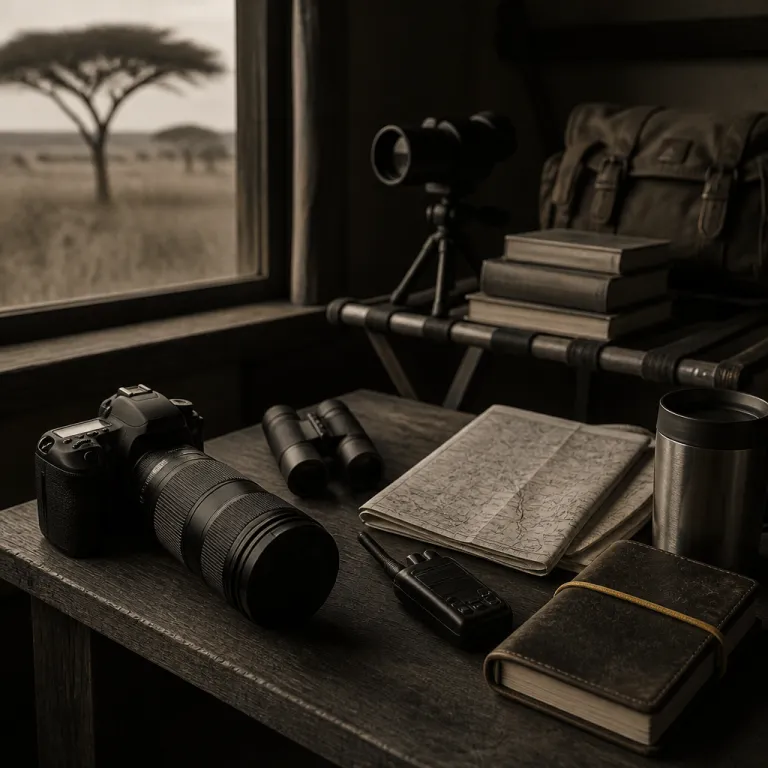
The rhythm of a long stay safari experience in Africa
On a ten night long stay safari experience in Africa, the bush stops feeling like a backdrop and starts behaving like a neighbourhood. By the fifth safari day in camp, your senses recalibrate to the african light, the night sounds, and the subtle shifts in wildlife behaviour that a two night stay simply never reveals. By the tenth day, the same person who arrived jet lagged now reads the park like a familiar street, anticipating where animals will cross a river or emerge from a thicket.
Most traditional safaris still rotate guests through three or four camps in different parts of Africa, chasing a checklist of national park names rather than depth of experience. Slow travel changes that pattern, allowing you to settle into one reserve or private game reserve and follow the same lion pride, the same pack of wild dogs, across multiple days and multiple game drives. This is where an african safari becomes a lived narrative rather than a series of disconnected game snapshots.
Data from specialist operators shows that extended safaris with a ten night duration typically include at least two game drives per day, plus optional walking safaris or cultural visits with local communities. Over that many days in one national park or conservancy, travelers routinely log sightings of more than fifty wildlife species, from headline animals to shy nocturnal creatures. The long stay safari experience in Africa is not about more adrenaline per day, but about a slower, richer safari experience that lets each game drive build on the last.
The guide relationship and how bush awareness deepens
Stay beyond night three and something subtle happens between you, your guide, and your tracker on safari in Africa. The first game drive is about orientation, but by the fourth or fifth safari day the guide knows how you like to travel, which animals fascinate you, and whether you prefer a quiet river sundowner or a longer night drive. Over ten days, that relationship matures into an easy shorthand that turns each game into a shared investigation rather than a scripted tour.
Safari guides and trackers, the true leaders of any african safari, start to share deeper layers of the reserve once they sense your commitment to a long stay safari experience in Africa. They remember the individual elephants you met near the camp waterhole, the leopard that crossed the river at dawn, and the exact bend in the track where wild dogs were last seen. This continuity across multiple safaris in the same game reserve dramatically increases your chances of witnessing rare wildlife behaviour, from a leopard kill to the tender chaos at a hyena den.
For travelers planning how to book a luxury safari lodge in Africa for an unforgettable experience, the smartest move is often to choose one or two camps with strong guiding teams rather than four average properties. A seasoned guide in kenya, south africa, or east Africa will use the full ten days to build your bush skills, teaching you to read tracks, bird calls, and wind direction on every game drive. That is when a luxury safari stops being about thread count and becomes a true safari experience, where each person on the vehicle feels like part of the conservation story rather than a passing guest.
Wildlife payoff and the quiet statistics of patience
Rare wildlife encounters are rarely random on safari Africa ; they are the dividend of time, patience, and staying put. A long stay safari experience in Africa stacks the odds in your favour, because predators, migratory animals, and elusive nocturnal species follow rhythms that do not bend to three night itineraries. When you give yourself ten days in one national park or private reserve, you start to intersect with those natural cycles rather than skim their surface.
Consider the maasai mara during the great migration, where herds move like weather across the game reserve and down to the river crossings. Guests who rush through in two or three days may see the animals, but those who anchor themselves in one safari camp for a longer african safari often witness the quieter moments before and after the drama, from nervous wildebeest testing the current to crocodiles repositioning along the river bank. The same logic applies in the okavango delta, the kruger national region, or near victoria falls, where water levels, moon phases, and seasonal grasses shape each safari day.
Operators tracking guest sightings across extended safaris consistently report that ten night stays correlate with more unusual animals, such as aardvark, pangolin, or caracal. The reason is simple ; more days mean more game drives, more varied times in the field, and more chances to respond quickly when a guide hears of a rare sighting elsewhere in the park. For the solo explorer planning a private bush adventure through resources like this guide to booking a private bush experience without the single supplement, the message is clear ; linger longer, and let the wildlife set the pace.
Cost, value, and why one camp can be smarter than four
Luxury safari pricing can feel opaque, but a long stay safari experience in Africa often delivers better value than a fast moving itinerary. Each time you change camp, you pay in both money and time for transfers, charter flights, and the inevitable lost safari day spent in transit rather than on a game drive. Stretching your stay to ten nights in one or two connected reserves reduces those hidden costs and usually unlocks long stay rates that quietly lower the per night spend.
Many high end camps in kenya, south africa, and east Africa offer tiered pricing where stays beyond seven days trigger meaningful reductions, especially outside peak great migration weeks. When you remove two or three internal flights between national park regions, the overall cost of travel often drops, even if the chosen safari camp is positioned as a luxury safari property. The value is amplified by the extra wildlife time you gain, with more full safari days and fewer half days lost to check in rituals and airport transfers.
For travelers weighing whether to split time between cape town, victoria falls, and multiple inland parks, the key is to decide what you want your africa safari to feel like. If the priority is deep immersion, consider pairing a city stay in cape town with a single ten night african safari in a private game reserve that offers strong conservation credentials and flexible game drives. Resources such as this elegant guide to planning a luxury safari honeymoon in Africa show how a focused itinerary can still feel varied, with walking safaris, river cruises, and cultural visits layered into one extended stay.
Choosing the right concessions and camps for extended stays
Not every camp is built for a long stay safari experience in Africa, so choosing the right concession is critical. Look for private reserves or conservancies with generous traversing rights, varied habitats, and access to both river systems and open plains, because this diversity keeps ten safari days feeling fresh. A camp that combines classic game drives with walking safaris, night drives, and occasional boat excursions will sustain your curiosity far better than a property limited to one activity.
In kenya’s maasai mara, for example, certain private conservancies bordering the main national park offer lower vehicle densities and more flexible game drive rules, ideal for extended safaris. In the greater kruger national region of south africa, some game reserves allow off road tracking and after dark drives, which significantly enrich the safari experience over many days. The okavango delta rewards patience too, with water levels shifting across the season and transforming the same area from a boat based adventure to a dry land game drive paradise.
For solo travelers using platforms like SafariLodgeStay.com to plan a long africa safari, the best strategy is to prioritise guiding quality, conservation ethos, and activity range over sheer room count or spa menus. When evaluating options, ask how many vehicles share the same traverse, how often the same animals are seen near camp, and whether the lodge partners with local conservation groups for wildlife monitoring. As one operator’s own material puts it, “What is the best time for a 10-night safari? Depends on region; consult local guides.” and “Are 10-night safaris suitable for families? Yes, with appropriate planning.” — advice that applies equally to any person considering a deep, time rich stay.
FAQ
How many days are ideal for a first long stay safari experience in Africa ?
For a first timer, ten days in one or two connected reserves offers the best balance between immersion and energy. This duration allows you to settle into the rhythm of daily game drives while still leaving space for rest, spa time, and unhurried meals. Anything shorter risks feeling rushed, especially once you factor in travel time to and from Africa.
Is a ten night african safari suitable for solo travelers ?
Extended safaris work particularly well for solo travelers, because staying longer in one camp builds familiarity with staff and fellow guests. Many properties now offer communal dining tables, shared game drives, and hosted sundowners that make it easy for a single person to feel included. Solo focused resources such as guidance on planning a private bush experience without the single supplement can help you choose the right camp culture.
What should I expect from daily activities on a long safari day ?
Most luxury safari camps structure the day around two main game drives, one at dawn and one in the late afternoon, with optional walks or cultural visits in between. Over ten nights, this rhythm becomes pleasantly predictable, giving you time to rest, review photos, or visit the spa between wildlife activities. The key advantage is that you can skip a drive without feeling you are wasting your africa safari, because there are so many days built into the stay.
How do I choose between different parks and reserves for an extended stay ?
Start by deciding which type of wildlife and landscapes matter most to you, whether that is the big cats of the maasai mara, the waterways of the okavango delta, or the varied ecosystems of the greater kruger national region. Then look for private reserves or conservancies with strong guiding reputations, flexible activity options, and meaningful conservation partnerships. When in doubt, consult specialist agents or lodge based experts who know how each park behaves across the season.
What should I pack for a ten night luxury safari in Africa ?
Pack light, neutral clothing that layers easily, as temperatures can swing from cool mornings on game drives to warm afternoons in camp. Include insect repellent, a good hat, and any personal camera gear you need, because you will have many days to refine your wildlife photography. Most luxury safari camps provide essentials such as drinking water, basic toiletries, and often even binoculars, so focus on comfort rather than volume.
References
World Travel & Tourism Council (WTTC)
African Travel and Tourism Association (ATTA)
Adventure Travel Trade Association (ATTA)