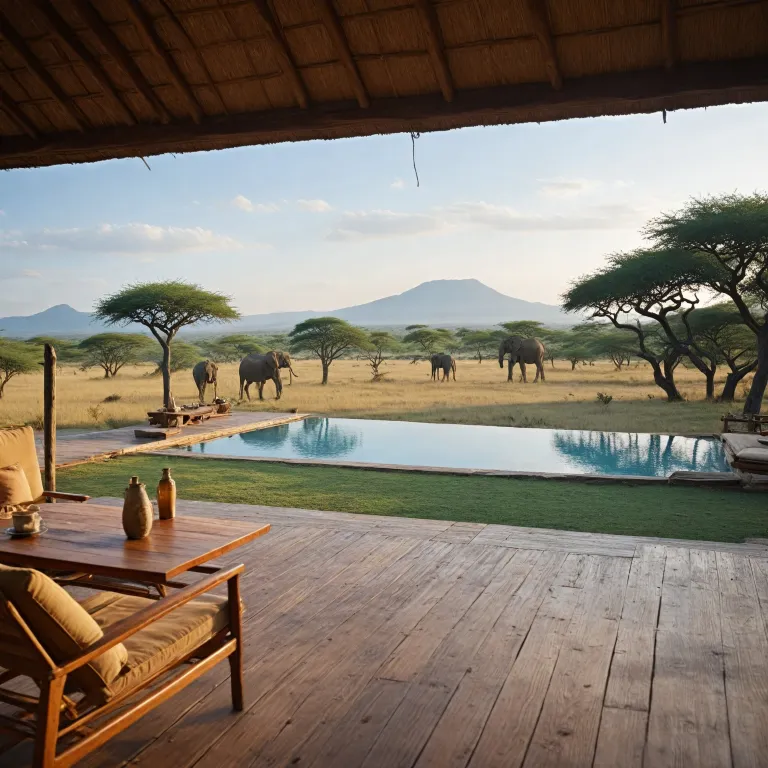
Weather in Tanzania in June for luxury safaris
The weather in Tanzania in June shapes every detail of a luxury safari. As the long dry season begins, rainfall drops sharply and skies clear, creating ideal conditions for game drives and scenic flights. For travelers choosing a premium Tanzania safari lodge, understanding this weather climate is essential to matching expectations with reality.
Across Tanzania, June brings cooler nights and pleasantly warm days, which many guests consider the best time for outdoor activities. Coastal areas and islands such as Zanzibar remain humid, yet the tanzania weather there is far less oppressive than during the rainy season. Inland, especially around Arusha and the northern circuit, the weather in Tanzania in June feels crisp at dawn, then comfortably warm by late morning.
Safari planners value that this is the onset of the long dry season, when vegetation thins and wildlife concentrates around water. The Tanzania Meteorological Authority notes that “June marks the beginning of the dry season in Tanzania, characterized by reduced rainfall and cooler temperatures, creating favorable conditions for wildlife viewing and outdoor activities.” This shift in weather Tanzania patterns underpins why so many operators promote June as a high value month. For a luxury guest, that means clearer views, fewer weather disruptions, and a calmer, more predictable rhythm to each safari day.
How June’s dry season shapes wildlife viewing
For many guests, the weather in Tanzania in June matters mainly because of wildlife. As the dry season takes hold, water sources shrink and animals gather in greater densities, especially in each national park of the northern circuit. This makes June a particularly strong month for photographers who want clean light, open landscapes, and fewer heat hazes.
In Serengeti National Park, the famous wildebeest migration often lingers in the western or central areas during June. While exact timings vary each year, the combination of tanzania june conditions and receding grasses helps guides track herds and predators more reliably. The term wildebeest migration appears constantly in safari marketing, yet in practice it is the predictable dry season weather climate that allows premium lodges to plan longer game drives and fly safari excursions with confidence.
Further south, in the Ngorongoro Crater and other national park areas, the weather in Tanzania in June keeps mornings cool and visibility excellent. Guests may start the day wrapped in blankets on open vehicles, then shed layers as the sun climbs and the air warms. This pattern repeats across Tanzania safari destinations, from Tarangire to Ruaha, reinforcing June as a best time window for those who prioritize wildlife density, comfort, and photographic clarity.
Serengeti, Ngorongoro and park choices in June
Selecting the right park in June depends on how you want to experience the weather in Tanzania in June. In Serengeti National Park, the combination of dry conditions and lingering green patches attracts large herds and predators. Many luxury travelers choose a fly safari here, using small aircraft to hop between remote camps and maximize time on the ground.
The wildebeest migration is a central draw, and June often offers dramatic crossings of smaller rivers and valleys. While the exact route shifts each year, the broader tanzania weather pattern of the long dry season keeps tracks firm and river levels manageable. This allows guides to position vehicles safely while still offering close views of wildlife, including lions, cheetahs, and vast wildebeest herds.
In the Ngorongoro Crater, the weather in Tanzania in June means crisp mornings, clear crater rims, and sweeping views across the caldera floor. The national park authorities maintain strict vehicle limits, which pairs well with the quieter, more refined atmosphere of premium lodges on the rim. For many guests, combining Serengeti National with Ngorongoro in tanzania june delivers a balance of migration drama and concentrated wildlife viewing, all under the stable skies of the dry season.
Mount Kilimanjaro, Zanzibar and coastal contrasts
Luxury travelers often pair a Tanzania safari with either mount Kilimanjaro trekking or a Zanzibar beach stay. The weather in Tanzania in June offers a favorable compromise for both, though conditions differ sharply between highlands and coast. Around Mount Kilimanjaro and Arusha, nights can be cold, especially above 2 000 metres, while days remain bright and relatively mild.
For those eyeing mount Kilimanjaro, the long dry season brings firmer trails and fewer afternoon storms. While summit attempts require careful acclimatization, the broader tanzania weather pattern in June reduces the risk of heavy downpours on lower slopes. Many premium operators design itineraries that start with a short climb or scenic flight around mount Kilimanjaro, then continue with a tanzania safari in Serengeti National or the Ngorongoro Crater.
On Zanzibar and the mainland coast, the weather in Tanzania in June follows the tail end of the short rains and the earlier rainy season. Average rainfall drops, seas calm, and humidity eases, making this a june good period for combining beach relaxation with a fly safari inland. Guests can expect warm sea temperatures, clearer water for snorkeling, and fewer storms, while still benefiting from the high season wildlife conditions in each inland national park.
Packing, comfort and lodge expectations in June
Understanding the weather in Tanzania in June helps you pack intelligently for a luxury stay. Days during the dry season are generally warm, so light, breathable fabrics work well for game drives and lodge terraces. However, early mornings and evenings in each national park can feel surprisingly cold, especially near the Ngorongoro Crater and higher altitude areas.
Most premium lodges provide blankets, hot water bottles, and sometimes heaters, yet layering remains essential. The contrast between cool dawns and sunny afternoons reflects the broader tanzania weather pattern of clear skies and low humidity. Guests should bring a light down jacket or fleece, a windproof outer layer, and closed shoes for walking between suites and main areas.
Because the rainy season has largely passed, dust becomes a factor on game drives, particularly in tanzania june when tracks dry out. Many lodges offer scarves or buffs, but packing your own can improve comfort on longer drives. Sunscreen, sunglasses, and a wide brimmed hat are vital under the high sun of the long dry season, especially on open vehicles or during a fly safari. With thoughtful preparation, the weather in Tanzania in June enhances rather than complicates the experience, allowing you to focus on wildlife, service, and the quiet luxury of your surroundings.
Pricing, availability and timing your luxury safari
The weather in Tanzania in June coincides with the start of the high season for many lodges. As the dry season settles in and wildlife viewing improves, demand for premium suites and exclusive use villas rises. For travelers seeking the best time balance between price, availability, and game viewing, tanzania june often represents a strategic choice.
Because this month sits just after the heavier rainy season, some properties still offer shoulder season rates, especially outside the most sought after areas of Serengeti National Park. However, in regions where the wildebeest migration is expected, or near the Ngorongoro Crater, prices typically reflect strong interest. Booking early allows you to secure preferred room categories, private vehicles, and prime positions for fly safari transfers that align with the most favorable tanzania weather windows.
When planning the time visit, consider how the broader weather climate affects logistics, from road conditions to internal flights. The reduction in short rains and the onset of the long dry period make delays less likely, which is crucial for tight, multi park itineraries. Ultimately, aligning your travel dates with the weather in Tanzania in June, and understanding how each national park responds to the changing season, helps ensure that your investment in a luxury Tanzania safari delivers both comfort and exceptional wildlife experiences.
Key statistics about June weather in Tanzania
- Average daytime highs in coastal areas such as Dar es Salaam reach around 30 °C, while highland regions near Arusha can see nighttime lows close to 10 °C.
- Zanzibar typically records about 53 mm of rainfall in June, reflecting the transition from the rainy season into the more stable dry season.
- Tourist arrivals increase notably during tanzania june, as the dry season improves wildlife visibility and supports a wider range of outdoor activities.
- Across each major national park, June’s clearer skies and reduced humidity contribute to enhanced game viewing and more reliable fly safari operations.
Frequently asked questions about June safaris in Tanzania
What is the average temperature in Tanzania in June ?
In June, average temperatures in Tanzania vary by region: coastal areas like Dar es Salaam experience highs around 30 °C, while highland areas such as Arusha have cooler temperatures, with lows around 10 °C. This range means guests can enjoy warm days on safari while still needing layers for early morning drives. The contrast between coast and interior is a key factor when planning multi stop itineraries that combine Zanzibar, a Tanzania safari, and possibly mount Kilimanjaro.
Is June a good time for safaris in Tanzania ?
Yes, June marks the beginning of the dry season, offering clear skies and reduced vegetation, which enhances wildlife visibility, making it an excellent time for safaris. Many operators regard this as one of the best time periods for viewing the wildebeest migration in parts of Serengeti National Park. The combination of stable tanzania weather, cooler temperatures, and concentrated wildlife makes June especially appealing for luxury travelers seeking comfort and high quality sightings.
Does it rain in Tanzania in June ?
June is the onset of the dry season in Tanzania, characterized by a substantial reduction in rainfall, making it one of the driest months of the year. While brief showers can still occur, particularly in some coastal or highland microclimates, they rarely disrupt safari activities. For most guests, the limited rain, clearer skies, and firm ground conditions are central reasons to prioritize the weather in Tanzania in June when planning a premium lodge stay.
Trustful expert sources
- Tanzania Meteorological Authority (TMA)
- Tanzania National Parks Authority (TANAPA)
- Weather Atlas