Hidden safari lodges in Africa that choose to vanish into the landscape
The most compelling hidden safari lodges Africa offers are not built for the camera. They sit low in the land, letting the surrounding wildlife, river systems and night skies dictate every line of the architecture rather than any social media brief. In a world where many safari destinations chase visibility, the most interesting lodge and camp designers in Africa now chase invisibility instead.
Across Botswana, Zambia and South Africa, a quiet design philosophy has taken hold in the best safari lodge projects. Architects working in the Okavango Delta, the lower Zambezi valley and the greater Kruger region talk less about statement pieces and more about how quickly a tented camp can disappear when you step twenty metres away. This is the opposite of the cliff top island lodge aesthetic; here, the ambition is to create African safari spaces that feel inevitable, as if the mopane trees and river reeds requested them.
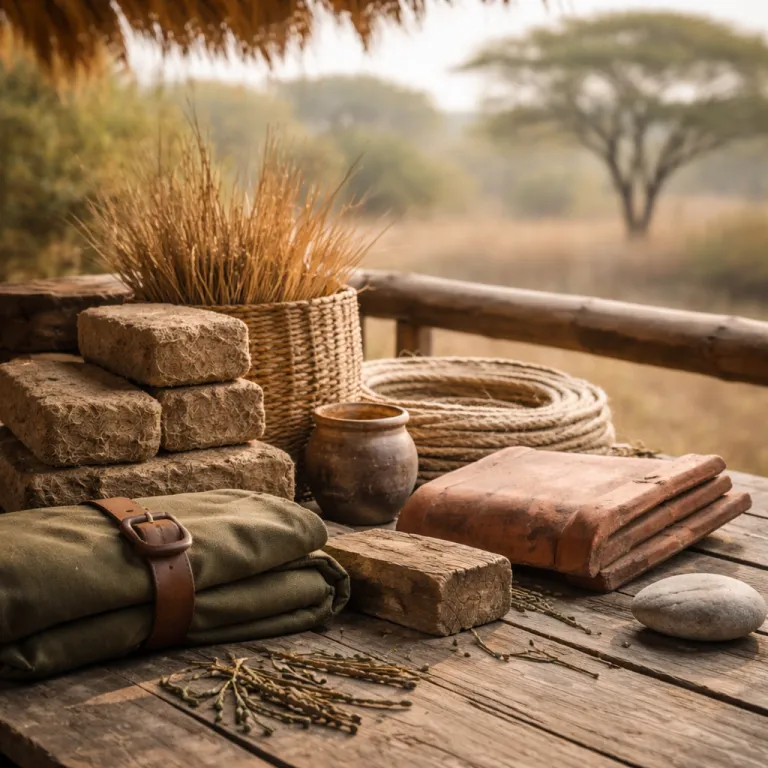
Architecture and design publications such as ArchDaily have called the safari lodge an “overlooked typology with social and environmental potential” (ArchDaily, 2020, Safari Lodges: Ecological Typologies in Africa). That phrase captures why the most thoughtful camps in Africa now use natural stone floors, unfinished timber and hand woven textiles that do not photograph dramatically but feel extraordinary under bare feet after a long game drive. These materials age with the delta air, the river humidity and the dust of the national park tracks, so the lodge becomes part of the ecosystem rather than a glossy interruption.
Look at Ol Jogi in Kenya’s Laikipia region, a private wildlife sanctuary of roughly 58 000 acres with only eleven rooms, as reported in the property’s conservation overview and regional land use surveys. The architecture is almost subterranean in places, so that your eye goes first to the plains and only later to the stonework that frames them, which is exactly how a luxury safari should feel. Sirikoi, in the Lewa Wildlife Conservancy, follows a similar logic, with its tented camp suites set back from the river line so that the wildlife corridor remains visually and physically dominant.
Hidden safari retreats Africa travellers talk about in hushed tones often share one trait; they are hard to photograph honestly. Mahali Mzuri in the Kenya Masai Mara conservancy is technically a safari camp, yet its tented structures read as soft curves against the grasslands rather than as objects to be admired in isolation. Finch Hattons, set around natural springs with distant Kilimanjaro views, uses water, reeds and low decks to dissolve the boundary between camp and park, so that your memory is of hippo grunts and starlight rather than of a lobby.
On the southern coastline, GweGwe Beach Lodge on the Wild Coast in South Africa extends this disappearing act into a marine protected area context. Here, the lodge south of Durban sits within the Mkambati Nature Reserve, where cliffs, river mouths and coastal forest do the visual work while the architecture recedes. For a solo explorer planning travel across Africa with a budget in USD, these properties prove that the most rewarding safari lodge experiences are often the least visible online.
Hidden camps like these also reframe how we think about value in African safari travel. Instead of asking whether a lodge is worth a certain number of USD per night, the sharper question becomes whether its design and guiding deepen your relationship with the land. When a camp in Botswana or Zambia feels almost provisional, ready to be dismantled without scarring the soil, you sense that your presence in the national park or private concession is a privilege rather than a purchase.
Why intimate Botswana camps feel richer than any photograph
Botswana is where the argument for invisible design in secluded safari camps across Africa becomes impossible to ignore. The Okavango Delta and the Chobe National river systems are visually dense, with reeds, floodplains and islands that already look composed, so any lodge that shouts feels instantly out of place. The most interesting luxury safari camps here respond by shrinking their footprint and softening their edges until they read as another thicket on the horizon.
In the Okavango Delta, the best safari lodge projects rarely exceed six to eight suites, and that intimate scale changes everything about how you experience space. A small tented camp on a private island between channels of the river can orient every deck, walkway and plunge pool toward the floodplain, so that you are always looking outwards rather than back at the architecture. This is why many Botswana loyalists quietly prefer these camps to more famous safari destinations in the Masai Mara or the greater Kruger region.
Consider how materials work here. Natural stone floors stay cool underfoot during the heat of the day, while rough hewn timber absorbs the sound of footsteps, so that your approach to the main deck does not scatter the wildlife drinking at the river below. Hand woven textiles in muted delta colours do not pop in photographs, yet they make the camp feel like an extension of the papyrus beds and acacia bark rather than a foreign insertion.
Specialist safari tour operator reports, such as the 2023 Botswana lodge capacity summaries compiled by leading African travel companies, note that many of the most sought after camps in the Okavango Delta operate with only 6 to 8 suites and long standing guiding teams. A guide who has tracked in the same section of the Okavango Delta for a decade will read the delta’s seasonal shifts, the movements of lion coalitions and the moods of elephant herds with a fluency that no design feature can match. When you are weighing a rate of several thousand USD per night, that depth of knowledge in a national park buffer zone or private concession is what you are really paying for.
There is a paradox here. Many of the most rewarding camps in Botswana have relatively weak online presences, with sparse image galleries and minimal social media, yet they enjoy some of the strongest repeat guest rates in Africa. Internal performance briefings shared by major safari operators in 2022 and 2023 consistently highlight repeat visitation as a key driver of occupancy in these smaller, low profile properties. Guests return not for a new room category but for the same guide, the same stretch of river and the same sense of being folded into the delta’s rhythms.
For a solo traveller comparing Botswana with other African safari regions, it helps to think in terms of ecosystems rather than countries. A week split between an Okavango Delta camp and a Chobe National river lodge gives you floodplain, channel and woodland in one itinerary, which is a more powerful combination than ticking both Kenya Masai Mara and South Luangwa on a single rushed trip. To understand how Botswana’s lodges stack up against other high end options, look at comparative analyses of refined African safari stays in Hwange and Kruger, such as those published in annual safari trend reports by established African travel consultancies.
When you read detailed reviews of the top rated safari lodges in Botswana, a pattern emerges. The properties that serious safari travellers rate most highly are often those where the camp vanishes into jackalberry groves, where the main deck is little more than a platform above the waterline and where the night sounds of the delta drown out any hum of generators. These are not lodges built to be backdrops; they are instruments for listening to the landscape.
For you as a potential guest, the practical implication is clear. When browsing options for a Botswana safari lodge, pay more attention to the map than to the marketing, and prioritise camps with fewer rooms, longer guide tenures and direct access to varied habitats within the Okavango Delta. Resources such as curated overviews of the top rated safari lodges in Botswana, often compiled by independent safari specialists, can help you filter for these quieter, more deeply rooted places.
Architecture that enhances the outdoors, from Zambia’s valleys to South Africa’s reserves
Move south and east from Botswana and you find the same disappearing act playing out along the Zambezi and in South Africa’s great reserves. In Zambia’s South Luangwa and lower Zambezi regions, the most compelling low impact safari camps are often seasonal, built lightly so they can be removed before the rains. This is architecture as choreography with the river, not as a permanent claim on the bank.
Along the lower Zambezi, a well sited river lodge will sit back from the main channel, tucked into winterthorn groves so that elephants can move between camp and water without detouring. Here, tented camp structures with canvas walls and thatched roofs allow breezes from the river to cool the interiors, reducing the need for heavy mechanical systems and keeping the night soundscape intact. In South Luangwa, many camps use earth toned plaster, local timber and reed screens that echo the textures of the national park’s riverine woodland.
Further south, in South Africa’s greater Kruger region, the best safari lodge designs now lean into this same restraint. Rather than building monumental lodges, architects are breaking programmes into smaller pavilions linked by raised walkways, so that the bush can flow between them and wildlife paths remain unblocked. This approach respects the logic of the national park and its private reserves, where animals have been moving along the same routes for generations.
For a solo explorer, this matters because it changes how you feel in camp. When a lodge south of the Limpopo uses low lighting, natural materials and open sided structures, you remain aware of the African wildlife around you even while dining or reading, which is the point of being in a safari destination at all. The architecture becomes a frame for cultural interactions with guides and trackers, not a barrier between you and the bush.
Economic reality still applies. Rates in these regions can run from several hundred to several thousand USD per person per night, depending on the exclusivity of the concession, the guest to staff ratio and the quality of the guiding team. Industry pricing overviews, such as the annual rate comparisons produced by regional safari booking agencies, show that higher tariffs are typically linked to prime concessions, strong conservation funding models and exceptional guide tenure.
There is also a regional interplay worth noting. A traveller might pair a few nights in a greater Kruger camp with time in Cape Town, using the city as a cultural counterpoint to the bush, or combine South Luangwa with Mana Pools or the lower Zambezi to follow the Zambezi river’s course. Each of these combinations offers a different reading of African landscapes, and the lodges that serve them are most successful when they defer visually to those landscapes.
When researching options, look for clues that a property understands this design philosophy. Does the lodge mention how its decks are positioned relative to the river, or how its tented camp structures allow breezes to flow rather than relying solely on air conditioning? Does it explain how its footprint within the national park or reserve was planned to avoid key wildlife corridors, or how its construction supported local communities through employment and training?
For deeper insight into how high end camps in Botswana balance design, conservation and guest experience, seek out detailed analyses of luxury safari booking in the Okavango Delta and Chobe National Park, such as those available through specialist Botswana safari booking guides and annual conservation impact reports from major lodge groups. These resources often highlight properties where architecture, guiding and conservation models align, which is the real definition of luxury in the bush.
How to read beyond the photos when booking a hidden lodge
The paradox of hidden safari lodges Africa wide is that the less photogenic they are, the more loyal their guests tend to be. Many of the most satisfying camps in Botswana, Zambia, Kenya and South Africa have modest websites, sparse image galleries and almost no social media presence. Yet they quietly achieve occupancy rates that rival far more visible competitors, driven by repeat guests who value substance over spectacle.
Industry briefings from specialist African travel consultancies, including 2022–2023 internal reports shared by leading destination management companies, suggest that there are on the order of a few dozen notable hidden lodges across the continent, with an average occupancy rate in the region of seventy to eighty percent. Those numbers are indicative rather than definitive, but they reflect a guest base that returns for guiding quality, concession privacy and conservation ethos rather than for new design features. For a solo explorer planning an African safari, this means that the most reliable indicator of a great lodge is not its photography but its patterns of repeat visitation.
When you evaluate a potential safari lodge, start with the concession or park, not the room. Ask how many vehicles are allowed at a sighting, whether the camp sits inside a national park, a private reserve or a community conservancy, and how long the operator has held that lease. A camp in a quiet corner of the Masai Mara or a lesser known sector of a national park in Zambia can offer a richer wildlife experience than a more famous address with heavier traffic.
Next, interrogate the human infrastructure. Guide tenure matters more than almost any design feature, because a guide who has worked a single area for years will understand its wildlife, its seasonal shifts and its cultural context with a depth that transforms every drive and walk. Ask about guest to staff ratios, the presence of specialist trackers and the extent of cultural interactions with neighbouring communities, because these factors shape your days more than any plunge pool.
Price is part of the equation, but not in the way glossy brochures suggest. Instead of comparing USD rates per night in isolation, consider what each camp’s fee structure supports in terms of conservation funding, community partnerships and low impact operations within the surrounding park or reserve. A higher rate at a camp that actively finances anti poaching units or habitat restoration in a national park may represent better value than a cheaper stay that contributes little beyond wages.
There is a legitimate counter argument to the cult of invisibility. Some level of online visibility and strong imagery is essential for raising awareness of conservation challenges, attracting new guests and keeping lodges economically viable, especially in remote regions like Mana Pools or the lower Zambezi. The goal is not to reject photography but to ensure that the architecture and the marketing both serve the landscape rather than overshadowing it.
For you as a potential guest, the most practical strategy is to treat photographs as a starting point, not a verdict. Use them to understand basic layout and ambiance, then read deeply into how the lodge talks about its guiding, its conservation commitments and its relationship with local communities in Africa. When a property spends more words on wildlife, river systems and cultural partnerships than on interior design, you are usually looking at a place where the bush, not the building, is the main event.
As one set of expert guidelines on hidden lodges from a 2023 African safari booking handbook puts it, “What defines a hidden safari lodge? Secluded, lesser-known lodges offering intimate experiences. Are hidden lodges more expensive? Prices vary; some offer luxury at premium rates. How to book a hidden safari lodge? Contact lodges directly or through specialized travel agencies.” Those three sentences summarise the booking reality; your task is to read between the lines and choose the camps whose design, guiding and ethics align with the Africa you want to meet.
Key figures behind Africa’s hidden safari lodges
- Specialist African travel data suggests there are only a few dozen truly hidden lodges across the continent, a small fraction of the total safari lodge and camp inventory, which underlines how rare genuinely secluded properties remain (based on aggregated operator briefings and regional lodge audits compiled in 2022–2023 by leading destination management companies).
- These intimate lodges often report average occupancy rates in the seventy to eighty percent range, a strong performance that reflects high repeat guest numbers despite relatively low online visibility (drawn from internal reporting shared by major safari operators and summarised in annual African safari trend reviews).
- Many high end African safari camps operate with only 6 to 8 suites, a scale that keeps guest numbers low and allows for more personalised guiding and lighter environmental footprints compared with larger properties of 20 rooms or more (source: comparative lodge capacity data published in brand fact sheets and regional safari planning guides).
- Rates at luxury safari camps in Botswana, Zambia and South Africa commonly range from several hundred to several thousand USD per person per night, with higher tariffs often linked to prime concessions, strong conservation funding models and exceptional guide tenure (based on publicly available rate sheets, seasonal pricing tables and annual industry pricing surveys).
- Hidden lodges typically partner with local communities and conservation organisations, channelling a significant portion of revenue into anti poaching, habitat protection and community projects, which amplifies the impact of each guest night beyond the immediate travel experience (as reported in annual conservation and impact reports from African lodge groups and non profit conservation partners).