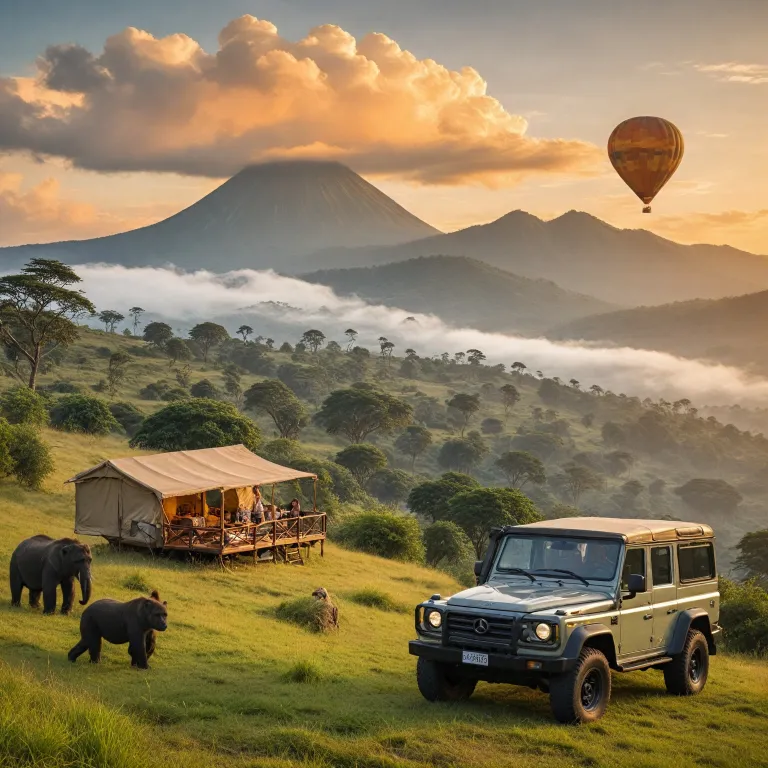
How the best time to visit Rwanda shapes a luxury safari stay
Choosing the best time to visit Rwanda is the first true luxury, because timing defines every detail of your safari lodge experience. In this compact country, altitude, rain patterns, and season shifts influence how you plan gorilla trekking, wildlife viewing, and lakeside relaxation. Understanding each season in Rwanda allows you to align your travel style with the right national park, the right lodge, and the right level of exclusivity.
Rwanda sits close to the equator, yet the climate feels surprisingly mild for most of the year. Elevation keeps temperatures comfortable, so the main variable is not heat but the amount of rain that falls in each season. For travellers booking premium lodges, the best time is usually the dry season, when forest trails are firmer, wildlife sightings are easier, and logistics for high end transfers run more smoothly.
The long dry season from June to September is widely regarded as the best time to visit Rwanda for gorilla trekking and classic safari drives. During this period, Volcanoes National Park offers excellent conditions for tracking mountain gorillas, while Akagera National Park delivers clear views across open savannah. Many visitors plan their time visit Rwanda around these months, combining a few days in Kigali with extended stays in national park lodges.
However, Rwanda is a genuinely year round destination, and each season brings its own advantages for luxury travellers. Some guests prefer the softer light and lush landscapes of the rainy season, especially photographers and birdwatchers. Others appreciate that visiting Rwanda in the shoulder seasons can mean quieter lodges, more personalised service, and attractive value in premium suites.
Dry seasons, gorilla trekking, and high season lodge strategy
For many travellers, the best time to visit Rwanda is defined by the quality of gorilla trekking. The dry season from June to September, and the shorter dry window from December to February, usually offers the most reliable conditions on steep forest slopes. Trails in Volcanoes National Park are less slippery, undergrowth is slightly thinner, and the overall trekking time can be more predictable for guests staying in luxury lodges.
During these dry seasons, Rwanda enters its high season for premium safari stays, especially around gorilla trekking hubs. Lodges near Volcanoes National Park, Akagera National Park, and Lake Kivu often reach high occupancy, so it is essential to secure your time visit Rwanda well in advance. This is particularly important because “Book gorilla trekking permits in advance.” and “Pack appropriate clothing for varying weather conditions.”
High season also coincides with key cultural events that enrich a luxury itinerary in this country. The Kwita Izina gorilla naming ceremony, held during the long dry season, brings together conservationists, the Rwandan Tourism Board, and international guests in a celebration of mountain gorillas. For travellers who value ethical wildlife encounters, this period highlights how Rwanda and other African nations focus on protecting wildlife and shaping ethical safari travel.
Because demand peaks in these months, the best time for visiting Rwanda’s most sought after lodges may depend on your flexibility. If you prioritise exclusivity over fixed dates, consider the shoulder edges of the dry season Rwanda pattern, when high season is easing. You will still benefit from relatively dry conditions, excellent wildlife viewing, and refined lodge service, while enjoying a calmer atmosphere in each national park.
Rainy seasons, lush landscapes, and value for premium travellers
While many guests focus on the dry season, the rainy season in Rwanda can be an appealing time for discerning travellers. From March to May, and again in October and November, the country’s hills and forest areas become intensely green, creating dramatic backdrops for photography. During these long rainy and short rainy periods, luxury lodges often offer attractive rates, making this a strategic best time to visit Rwanda for value driven premium stays.
Rain in these seasons usually falls in bursts rather than continuous downpours, especially in higher altitude regions. This means that gorilla trekking and other wildlife activities in Volcanoes National Park and Akagera National Park often proceed as planned, with adjustments for safety and comfort. Many guests appreciate the softer light, fewer visitors, and the sense of intimacy that comes with visiting Rwanda when the high season crowds have thinned.
The short rainy season around October November can be particularly rewarding for travellers who enjoy dramatic skies over Lake Kivu and misty forest scenes. Birdlife is abundant, and the forest canopy in Volcanoes National Park feels especially alive, enhancing the atmosphere of gorilla trekking. Some travellers even consider this shoulder period the best time for photography focused travel, as the interplay of rain, cloud, and sun creates striking contrasts.
For those comparing destinations, it can be useful to read about other African timing strategies, such as planning the best time to visit Victoria Falls for a luxurious safari escape. Similar principles apply in Rwanda, where understanding the rhythm of seasons helps you match your preferred style of luxury lodge stay with the right month. Whether you choose a short dry window or embrace the full character of the rainy season, careful planning ensures that your time visit Rwanda feels both indulgent and well considered.
Gorilla trekking, national parks, and timing your Rwanda itinerary
For many visitors, the best time to visit Rwanda is inseparable from the dream of meeting mountain gorillas. Gorilla trekking in Volcanoes National Park is possible year round, but the dry season from June September and the shorter dry spell around December are usually favoured. During these months, forest trails are less muddy, the risk of heavy rain is lower, and trekking times can be more manageable for guests staying in high end lodges.
However, the rainy season also has its advantages for gorilla trekking and wider wildlife experiences. Vegetation in the forest is denser, but the atmosphere feels more primal, and some travellers relish the challenge and authenticity of trekking in light rain. Because demand is slightly lower, visiting Rwanda in these months can mean more flexibility in securing premium suites close to Volcanoes National Park and along Lake Kivu.
Beyond gorillas, Akagera National Park offers classic savannah wildlife, including elephants, lions, and diverse plains game. The best time for game drives is usually the dry season Rwanda pattern, when animals congregate around remaining water sources and grass is shorter. Luxury lodges in this national park design their game drive schedules around sunrise and late afternoon, optimising both wildlife sightings and guest comfort.
To refine your planning, consider using a curated resource on top luxury safari booking websites that specialise in premium African lodge experiences. These platforms often highlight the best time for each region, including Rwanda long stay options that combine multiple seasons in one itinerary. By aligning your travel dates with expert advice, you can ensure that every national park visit, from forest to savannah, feels perfectly timed.
Balancing year round climate, short dry windows, and luxury lodge logistics
Rwanda’s position near the equator means that temperatures remain relatively stable year round, which simplifies packing for luxury travellers. The main consideration is how the long rainy and short dry periods affect access roads, helicopter transfers, and trekking conditions in each national park. Premium lodges work closely with local tour operators and the Rwandan Tourism Board to adjust logistics according to each season Rwanda pattern.
The short dry season around December to February can be an excellent best time to visit Rwanda for guests seeking a balance between good weather and moderate visitor numbers. Trails in Volcanoes National Park are generally firm, yet the landscapes remain lush after the preceding rainy season. This period also suits travellers who wish to combine gorilla trekking, time at Lake Kivu, and a few days in Kigali within a single, well paced itinerary.
During the long rainy season, from March to May, some remote tracks can become challenging, but luxury lodges adapt with flexible activity planning. Helicopter transfers may be used more frequently for high end guests, reducing travel time between Kigali, Volcanoes National Park, and Akagera National Park. For travellers who value privacy and exclusivity, this can still be a rewarding time visit Rwanda, especially when combined with spa treatments and in lodge experiences.
Because Rwanda is compact, it is feasible to experience multiple ecosystems in a relatively short time. A carefully designed itinerary might start with gorilla trekking in the forest, continue with wildlife viewing in a national park savannah, and end with relaxation by Lake Kivu. By understanding how each season influences these transitions, you can choose the best time that aligns with your preferred pace and style of luxury travel.
Aligning personal priorities with Rwanda’s seasons and safari styles
Defining the best time to visit Rwanda ultimately depends on your personal priorities as a luxury traveller. If your main goal is gorilla trekking in optimal conditions, the dry season from June September and the short dry window around December will likely suit you best. If you are more interested in photography, birdlife, and lush forest scenery, the rainy season can offer a uniquely atmospheric time visit Rwanda.
Travellers focused on classic wildlife safaris may prefer the dry season Rwanda pattern in Akagera National Park, when animals gather near water and visibility is high. Those who value cultural immersion might time their visit Rwanda to coincide with national events and community based tourism initiatives supported by the Rwandan Tourism Board. In both cases, the country’s emphasis on eco tourism and conservation ensures that your travel contributes positively to local communities and wildlife protection.
For guests who enjoy slower travel, Rwanda long stays that span more than one season can be particularly rewarding. You might begin in the tail end of the rainy season, watching the forest transition, then continue into the high season as trails dry and wildlife movements shift. This approach allows you to experience how the same national park feels different as the year progresses, deepening your connection to the landscape.
Whatever your preference, it is wise to work with experienced tour operators and premium booking platforms that understand the nuances of Rwanda’s seasons. They can advise on the best time for each activity, from mountain gorillas to Lake Kivu cruises, and coordinate lodge availability across multiple regions. With this guidance, visiting Rwanda becomes less about chasing a single perfect month and more about crafting a finely tuned, seasonally aware safari journey.
Practical planning tips for timing your luxury safari lodge booking
When planning the best time to visit Rwanda, start by confirming your priority activities and then work backwards to ideal dates. If gorilla trekking is central, aim for the dry season and secure permits and lodge reservations as early as possible, especially in high season. Remember that Rwanda is a year round destination, so even if your travel window falls in the rainy season, you can still enjoy exceptional wildlife and cultural experiences.
Consider how each season Rwanda pattern affects your comfort preferences, from trail conditions to the feel of rain on a forest canopy. Some travellers enjoy the drama of a rainy afternoon followed by clear evening skies over Lake Kivu, while others prefer consistently dry days. Think about your tolerance for mud on gorilla trekking routes, the appeal of lush vegetation, and the value you place on quieter lodges during the rainy season.
It is also important to factor in international flight schedules to Kigali and the time needed for transfers between regions. Allow at least one night in Kigali at the start or end of your trip, giving you time to adjust and to meet local tour operators. From there, your itinerary can flow smoothly between Volcanoes National Park, Akagera National Park, and lakeside retreats, regardless of the time of year.
Finally, remember that Rwanda’s compact size and well organised tourism infrastructure make it easier to adapt plans if weather shifts. Luxury lodges are accustomed to adjusting activity times around rain showers, ensuring that guests still enjoy meaningful wildlife encounters and refined in lodge experiences. With thoughtful planning and realistic expectations about seasons, your time visit Rwanda will feel both seamless and deeply rewarding.
Key statistics for planning the best time to visit Rwanda
- Annual tourist arrivals in Rwanda are approximately 1 500 000 people, reflecting strong and growing interest in the country’s wildlife and cultural attractions.
- Gorilla trekking permits issued annually reach around 30 000, underscoring the importance of booking early, especially in the dry season and high season periods.
Essential questions about the best time to visit Rwanda
What is the best time for gorilla trekking in Rwanda?
What is the best time for gorilla trekking in Rwanda? The dry seasons: June to September, December to February.
Are there any festivals during the dry season?
Are there any festivals during the dry season? Yes, including the Kwita Izina gorilla naming ceremony.
Is it cheaper to visit during the wet season?
Is it cheaper to visit during the wet season? Yes, some accommodations offer lower rates.