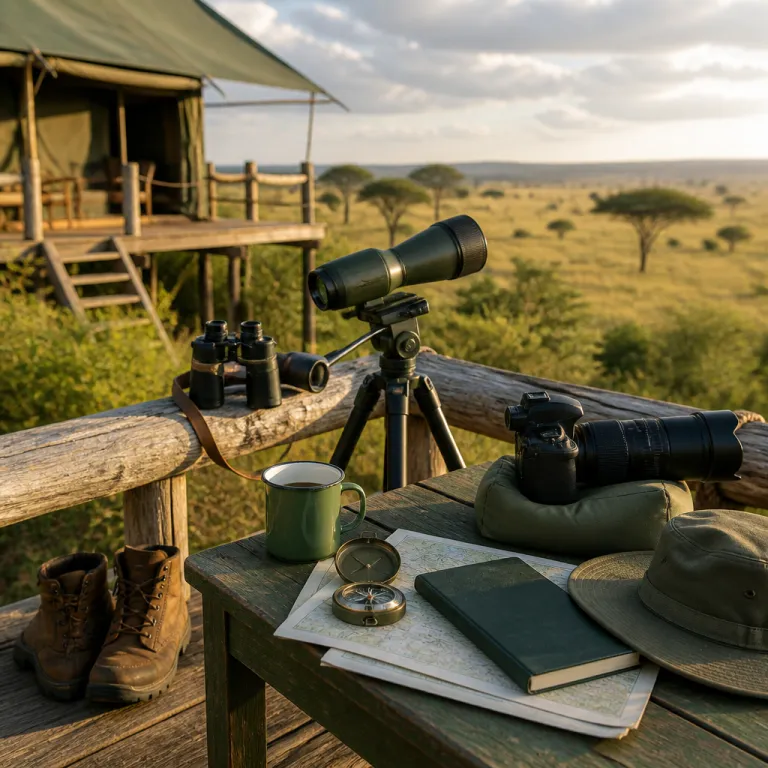
Namiri Plains Camp as an exclusive eastern Serengeti retreat
Namiri Plains Camp sits in a remote area of the eastern Serengeti, where the grasslands stretch unbroken towards the horizon. This plains camp occupies the Soit Le Motonyi sector of Serengeti National Park, a former cheetah research zone that was closed to general visitors for around two decades, so the wildlife has grown used to minimal vehicle traffic and the game viewing feels remarkably private. For a traveller comparing different safari camp options, this lodge offers a rare balance of seclusion, conservation focus, and refined comfort.
The camp is operated by Asilia Africa as a permanent camp with just ten eco friendly tented suites, so guest numbers remain low and the atmosphere stays intimate. These guest tents are spaced across a low rise, giving each tented suite wide views over the surrounding plains and the seasonal riverbed where game often gathers during the dry season. Because Namiri Plains is open all year, you can choose the time to visit according to your preferred season, whether you want the drama of the wildebeest migration or the quieter green months when the park feels softer and more contemplative.
From a booking perspective, Namiri Plains Camp works especially well for travellers seeking a multi night stay that focuses on big cats and uncrowded sightings. The lodge lies within Serengeti National Park but far from the busier central Serengeti and western corridor, so game drives often encounter cheetah, lion, and leopard with very few other vehicles in sight. Recent guest comments frequently highlight how the camp’s Serengeti location delivers both thrilling wildlife and a deep sense of wilderness, which is precisely what many luxury travellers now prioritise.
Location, wildlife seasons, and the best time to visit Namiri Plains
The Namiri plains area lies in the eastern part of Serengeti National Park, roughly between the central Serengeti hub and the more remote northern Serengeti. This position means the camp can access several ecological zones on full day game drives, from open plains that attract cheetah to lightly wooded country where lions patrol and resident wildebeest graze throughout the season. Because the camp is open year round, the best time to visit depends on whether you prioritise the wildebeest migration, predator action, or lush landscapes with fewer vehicles.
During many months, herds linked to the greater wildebeest migration move through the wider Serengeti national ecosystem, and the Namiri plains area often sees large numbers of zebra and wildebeest using the grasslands as a feeding ground. While the famous Mara River crossings occur in the far northern Serengeti near the Kenya border, guests at this tented camp can still combine their stay with a later journey to the mara sector if they wish to witness that spectacle. For travellers who prefer to avoid the busiest migration corridors, Namiri Plains Camp offers exceptional game viewing of resident wildlife without the congestion sometimes found near the Mara River or in the western corridor.
Calving season in the southern and eastern Serengeti usually brings a surge of predator activity, and this is when the Namiri plains landscape feels particularly alive with drama. The camp’s guides use 4x4 vehicles, radios, and their intimate knowledge of the park to position you for memorable sightings while still respecting ethical distances from the wildlife. If you are planning a broader Tanzanian journey that includes other national park regions such as Ruaha, a detailed guide to immersive safari lodges in Ruaha National Park can help you compare habitats and seasons, ensuring that each lodge and safari camp in your itinerary offers a distinct experience rather than repetition.
Design, guest tents, and the atmosphere of the tented camp
Namiri Plains Camp is designed as a contemporary tented camp that blends canvas, stone, and timber with wide open views of the surrounding plains. Each of the ten guest tents functions as a spacious suite, with indoor and outdoor lounging areas, an en suite bathroom, and an outdoor tub that looks across the grasslands where wildlife often passes at dusk. Because this is a permanent camp rather than a mobile operation, the structures feel solid and thoughtfully integrated into the landscape while still retaining the romance of canvas walls and the sounds of the park at night.
The main area of the lodge includes a lounge, bar, and dining deck that all face the plains, so you can watch game moving across the area even between activities. At night, the firepit becomes a natural gathering point where guests compare sightings from the day’s game drives and walking safaris, while the staff quietly ensure that every person night in camp feels personalised and relaxed. For travellers who appreciate refined design, the aesthetic here is more understated than some ultra opulent properties, yet it offers a level of comfort and attention to detail that aligns with other leading safari lodges across Tanzania and beyond.
Many guests pair Namiri Plains Camp with another high end safari camp in a contrasting ecosystem, such as a riverside retreat in the Selous, and a refined accommodation guide to Selous Game Reserve can help you evaluate which tented or permanent camp there best complements the Namiri experience. When you read through lodge details before booking, pay attention to how each camp describes its guest tents, guiding style, and access to key wildlife areas, because these elements shape your overall safari more than decorative flourishes. In the case of Namiri Plains, the combination of eco conscious tented design, low guest density, and a strong conservation narrative creates an atmosphere that feels both luxurious and grounded in the realities of the Serengeti.
Game drives, walking safaris, and wildlife experiences from Namiri Plains
The core of any stay at Namiri Plains Camp is the quality of the game drives, which operate in the surrounding plains and riverine corridors of eastern Serengeti National Park. Guides typically head out at first light, when predators are still active and the air is cool, then again in the late afternoon, when the wildlife stirs after the heat of the day. Because the camp sits far from the busier central Serengeti and western corridor, vehicles often have sightings to themselves, which allows more time to read animal behaviour and position the vehicle carefully.
Guests can expect to see a wide range of wildlife, but the area is particularly renowned for big cats, and the verified camp information from Asilia Africa states plainly: “Predominantly big cats like cheetahs, lions, and leopards.” The cheetah density in this part of the park is described by the operator as among the highest in the region, a direct result of the area’s previous closure for research and its ongoing conservation management. While the wildebeest migration herds may pass further west or north at certain times, resident wildebeest, zebra, and gazelle remain on the plains throughout much of the season, providing a reliable prey base for predators and consistently strong game viewing.
In addition to vehicle based game drives, Namiri Plains Camp offers guided walking safaris that focus on smaller details such as tracks, plants, and birdlife, giving a different perspective on the Serengeti national landscape. Bush breakfasts and picnics extend your time in the field, allowing you to stay out across the plains during the most productive wildlife hours rather than returning to the lodge in the middle of the day. If you are comparing this style of experience with more sculpted, design led lodges in other regions, an in depth review of a sculpted sanctuary in the Sabi Sand can provide a useful benchmark for how Namiri’s wildlife first focus contrasts with more architectural statements elsewhere.
Planning your stay: nights, pricing logic, and booking details
For most travellers, a stay of three to four nights at Namiri Plains Camp strikes the right balance between depth of experience and overall safari routing. Spending several nights in one safari camp allows you to explore different parts of the surrounding area, from open plains to rocky kopjes, and to adjust your game drives according to changing wildlife movements. Shorter stays can feel rushed, especially when you factor in transfer times across the park from central Serengeti airstrips or from the western corridor and northern Serengeti sectors.
Pricing at this level of lodge is usually quoted per person per night, inclusive of accommodation, meals, most drinks, and scheduled game drives within Serengeti National Park. When you read the fine print, pay attention to whether park fees, conservation levies, and internal flights are included, because these can significantly affect the total cost of your time to visit. Luxury travellers often combine Namiri Plains with other camps under the same Asilia or Lemala style portfolio, which can unlock long stay offers or circuit discounts that reward multi camp itineraries across different Tanzanian parks.
On a premium booking website, you will typically find a dedicated enquiry form where required fields include your preferred travel dates, number of nights, and party composition, along with an email address and sometimes a phone contact. Providing accurate details at this stage helps the reservations équipe tailor routing between Namiri Plains Camp and other destinations such as the northern Serengeti near the Mara River or the quieter western corridor, ensuring that flight schedules and transfer times align smoothly. If you are working with a specialist safari consultant, share any specific wildlife priorities such as the wildebeest migration or big cat photography, because this will influence whether Namiri is scheduled at the beginning, middle, or end of your broader Serengeti journey.
How Namiri Plains Camp fits into a wider Tanzanian safari circuit
Namiri Plains Camp works best as part of a broader circuit that showcases different sides of Tanzania, from the open plains of Serengeti National Park to more wooded or riverine ecosystems. Many itineraries start in the central Serengeti for ease of access, then move east to the Namiri plains area for a more exclusive experience, before continuing to the northern Serengeti or Mara sector if the wildebeest migration is in that region. This progression allows you to compare different styles of safari camp and game viewing while keeping internal travel times manageable.
For travellers focused on the wildebeest migration, one strategy is to spend several nights at a camp in the northern Serengeti near the Mara River during peak crossing months, then add Namiri Plains Camp either before or after to enjoy quieter predator rich plains away from the busiest riverbanks. Those more interested in varied landscapes might pair Namiri with a camp in the western corridor, where riverine forests and floodplains create a different feel, or with a property in Ruaha or Selous for a contrast between Serengeti national grasslands and southern Tanzania’s more rugged parks. In each case, the key is to read the seasonal patterns carefully and align your time to visit each lodge with its strongest wildlife window.
Because Namiri is a permanent camp with strong conservation credentials, it appeals to travellers who value both comfort and impact, and who want their person night spend to support long term protection of the park’s wildlife. The camp’s history as a former cheetah research zone means that staying here contributes directly to ongoing monitoring and habitat management, which in turn sustains the exceptional game viewing that draws guests in the first place. When you plan your circuit, consider how each safari camp, from Namiri Plains to other lodges across Tanzania, fits into a coherent narrative of landscapes, species, and experiences rather than as isolated bookings.
Practical advice for a seamless luxury booking at Namiri Plains
Securing a stay at Namiri Plains Camp requires early planning, because the camp’s ten guest tents keep capacity intentionally low and peak season dates often sell out months in advance. Start by deciding how many nights you want in the Serengeti overall, then allocate at least three of those to the Namiri plains area if big cats and uncrowded sightings are priorities. Once your preferred time to visit is clear, a specialist safari consultant or a well structured luxury booking website can hold provisional space while you finalise international flights.
When you complete an online enquiry, ensure that all required fields are accurate, including your email address, country of residence, and any special interests such as photography, walking safaris, or a focus on the wildebeest migration. This information allows the reservations équipe to recommend whether you should combine Namiri with central Serengeti, the western corridor, or the northern Serengeti near the Mara River, and to suggest specific safari camp pairings that match your style. If you prefer direct communication, the official contact for Namiri Plains Camp is listed as [email protected], which connects you with the operator responsible for the lodge and its broader portfolio.
Packing for this style of safari is straightforward: neutral clothing, a good pair of binoculars, and a willingness to wake early for game drives will serve you well across all parks. Because the camp lies within Serengeti National Park, standard park regulations apply, and your guides will brief you on safety, wildlife etiquette, and how to minimise your environmental impact during your stay. By approaching the booking process with clarity about your priorities and by reading lodge details carefully, you can ensure that your time at Namiri Plains Camp becomes a highlight of your Tanzanian journey rather than just another stop on the map.
Key figures and statistics for Namiri Plains Camp and its wildlife area
- The Namiri plains sector of eastern Serengeti was previously closed to general tourism for several years to support cheetah research, and current descriptions from Asilia Africa highlight unusually high cheetah densities for an open savannah ecosystem in this part of the park.
- Namiri Plains Camp operates with just 10 tented suites, meaning that even at full occupancy the camp hosts a small number of guests compared with larger lodges in central Serengeti, which can exceed 30 or 40 rooms.
- The camp is open throughout the year, allowing travellers to target specific wildlife events such as the broader wildebeest migration between roughly October and May and the calving season between January and March, when predator activity typically intensifies.
- Typical recommended stays range from 3 to 4 nights, which provides enough time for multiple game drives across different parts of the surrounding plains and river systems without feeling rushed or over scheduled.
- The Soit Le Motonyi area, where Namiri Plains Camp is located, lies roughly between the central Serengeti hub and the more remote northern Serengeti, making it a strategic midpoint for itineraries that also include the Mara River region or the western corridor.
FAQ about Namiri Plains Camp and the Namiri plains area
What wildlife can I expect to see at Namiri Plains Camp ?
Predominantly big cats like cheetahs, lions, and leopards. In addition, guests regularly encounter resident wildebeest, zebra, giraffe, and a wide range of antelope, along with smaller predators and rich birdlife across the surrounding plains.
Is Namiri Plains Camp suitable for families ?
Yes, it offers family friendly accommodations and activities. The guest tents can often be configured for parents and children, and the guiding team adapts game drives and camp experiences to different ages while still respecting park safety regulations.
What is the best time to visit Namiri Plains Camp ?
October to May for the Great Migration; January to March for calving season. Outside these peak windows, the area still offers strong resident game viewing, with fewer vehicles and a quieter atmosphere that many repeat safari travellers appreciate.
How many tents does Namiri Plains Camp have, and how does that affect the experience ?
The camp has 10 tented suites, which keeps guest numbers low and ensures a personalised atmosphere. This limited capacity translates into more flexible game drives, less crowded sightings, and a sense of exclusivity that aligns with luxury safari expectations.
Do I need to book Namiri Plains Camp far in advance ?
Advance booking is strongly recommended, especially for peak season dates linked to the wildebeest migration and major holiday periods. With only a small number of guest tents, the camp can fill quickly, so securing space several months ahead gives you the best choice of nights and room configurations.