Jaci's Private Lodge Madikwe reopening 2026 reshapes ownership in the bush
When Jaci's Private Lodge Madikwe reopening 2026 became reality, it marked far more than a fresh coat of paint on a beloved lodge. The Van Heteren family rebuilt their private lodge along the Marico River in the Madikwe Game Reserve from the ground up after severe flooding forced a complete closure, turning catastrophe into a test case for how a safari lodge can share power and profit with its staff. For guests planning a safari experience in South Africa, this is now one of the clearest examples of a game lodge where community, conservation and comfort carry equal weight.
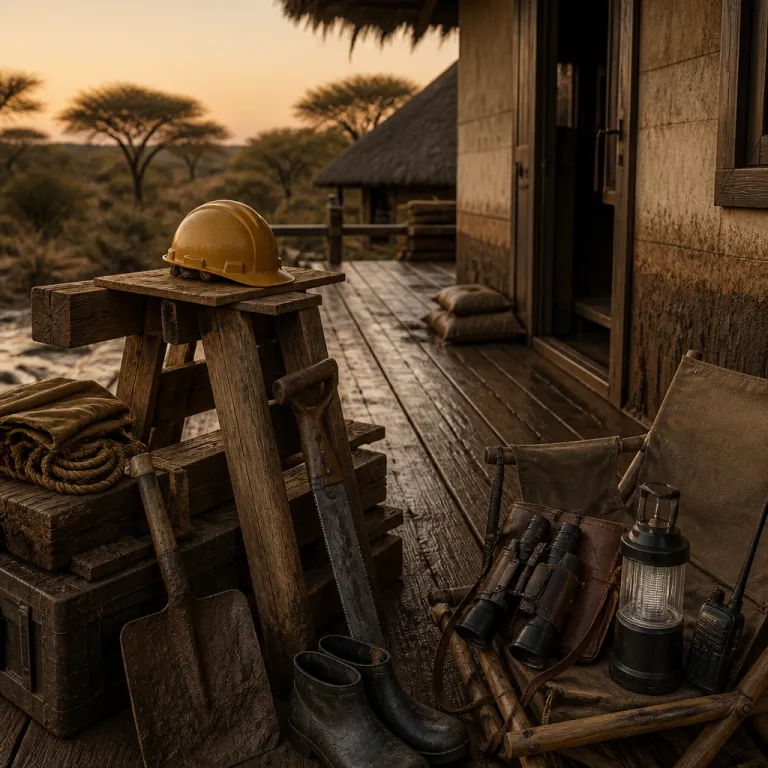
The flood damage to the original lodge Madikwe buildings was total, yet the family chose to retain and restore as much existing decking and furniture as possible, threading the new structures through mature tree lines and the surrounding bush. Solar power, advanced water treatment and reuse systems, and on site vegetable gardens now underpin daily operations, so every safari suite and villa runs with a lighter footprint on the reserve. As Jaci explains in the lodge’s published background notes, “We wanted the rebuild to prove that luxury and responsibility can share the same deck,” and for couples comparing South Africa lodges from Madikwe game landscapes to Sabi Sands, the sustainability credentials here are no longer a marketing line but a visible part of the safari experience, from low energy lighting in the suites to the taste of herbs grown metres from your plate.
Ownership is where Jaci lodges now push the industry hardest, and it directly shapes what guests feel on game drives and back at the safari lodge. According to the latest Jaci's Lodges fact sheet, the Jaci's Staff Trust holds 27.2% of the business; employees with 5+ years of tenure become shareholders receiving annual dividends, a model still rare in the safari lodge industry and best confirmed via the lodge’s most recent published information. That stake means the staff who guide you through the bush, welcome your children into the safari suites and manage the logistics of each private game drive are not just employees but co custodians of Jaci private hospitality, with a long term interest in the health of the game reserve and the Marico River corridor.
From floodplain to future proof: how the rebuilt lodge works for modern safari guests
The physical layout after Jaci's Private Lodge Madikwe reopening 2026 has been rethought around flexibility, privacy and family travel, while still feeling intimate enough for a couple's escape. Six safari suites now anchor the core of the private lodge, each safari suite designed for two guests with shaded decks that look directly into the bush and towards the game rich banks of the Marico River. Four Safari Suite Expeditions add space for up to two adults and two children, giving multi generational groups a way to share a safari experience without sacrificing quiet corners or views of the tree line.
For travellers who prefer a self contained base, two three bedroom villas — Kubu and Nare — and the five bedroom Jaci's Madikwe House sit slightly apart from the main game lodge hub, each with its own rhythm. These villas and the Madikwe House can host between six and ten guests, making them ideal for friends who want private game drives, dedicated staff and flexible dining times that suit jet lag or young children. When you are weighing up whether to extend a Johannesburg business trip into a safari, this kind of exclusive use setup in the North West province can be more practical than flying further afield, and recent lodge fact sheets outlining transfer times from Johannesburg and Gaborone help you plan the logistics with confidence.
The redesign also anticipates how couples and families actually move through a safari lodge day, from early morning game drives to long, quiet afternoons. Shaded walkways link suites, villas and shared spaces, while reconditioned furniture and new textiles keep interiors cool without feeling overly styled, so the focus stays on the Madikwe game landscape outside. For guests who know the polished lodges of South Africa from Cape reserves to the sands of the Kalahari, the balance here feels deliberate — a private, contemporary lodge Madikwe that still reads as a place built for watching elephants cross the Marico River rather than for posing beside a plunge pool.
Why this Madikwe game reserve rebuild matters for South Africa's safari lodges
The timing of Jaci's Private Lodge Madikwe reopening 2026 coincided with the return of a coalition often described as the five Ashia cheetah brothers to the plains near the lodge, a detail guests can verify through current Madikwe Game Reserve and Ashia Cheetah Conservation updates and translocation reports. For visitors, that means game drives where you might track cheetah at dawn, then return to a safari suite where solar power and water recycling quietly support your hot shower and breakfast. It also underlines why a malaria free, Big Five game reserve in the North West, a relatively short hop from Johannesburg, remains one of the most practical choices in South Africa for first time safari travellers and families.
Leadership has shifted as well, with sons Tristan and Dane Van Heteren now widely reported as running day to day operations while Jaci and Jan remain present as anchors of the family ethos, a transition best checked against the lodge’s latest fact sheets and media releases. Their approach aligns with a broader trend in South Africa, where independent lodges from Madikwe to Sabi Sands are rethinking how staff, community and conservation intersect, and where a game lodge is judged as much on its guide training and equity structures as on its thread count. For readers mapping out elegant first journeys to Africa's luxury safari lodges, recent round ups of introductory safaris in South Africa and Botswana help position Madikwe alongside more famous names without losing sight of what makes this reserve distinct.
For couples considering whether to book Jaci tree linked suites at the neighbouring tree lodge or stay at the rebuilt private lodge, the choice now comes down to style rather than substance, because the same staff equity model and conservation focus run through both. The current Pay 3, Stay 4 launch special through late August, as outlined in the lodge’s promotional material, quietly rewards guests willing to travel soon after reopening, while giving the staff and management team space to bed in new systems and refine the safari experience. If more safari lodges across South Africa and wider Africa adopted similar ownership structures and sustainability commitments, from Madikwe House style villas to high end properties in the Sabi Sands, the industry would look less like a collection of remote assets and more like a network of shared enterprises rooted in the bush and the communities that keep it alive.