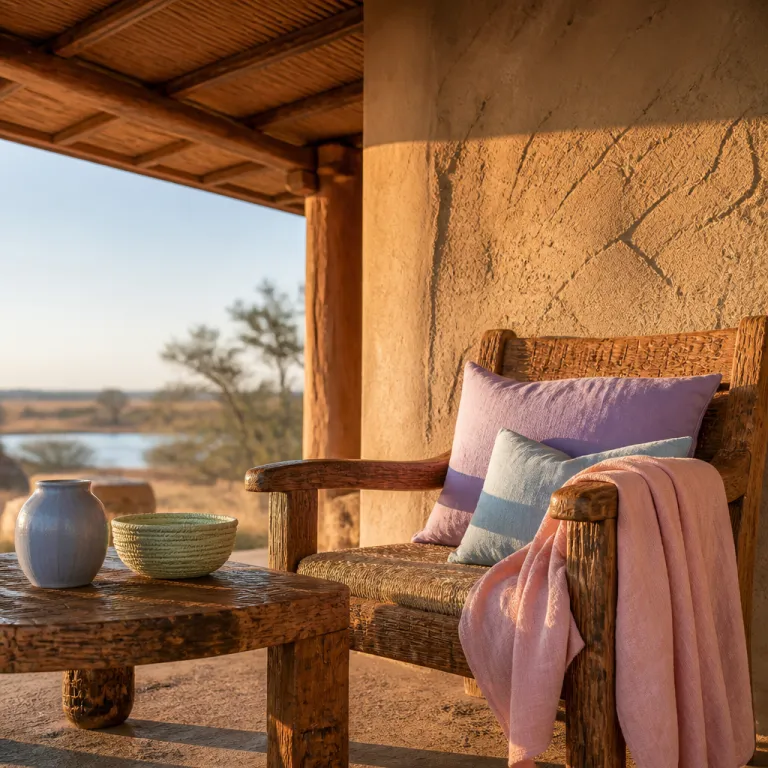
The quiet revolution in safari lodge natural materials design
Across Africa, a quiet shift in safari lodge natural materials design is changing what luxury means in the bush. Where polished marble once signalled status, the new design luxury is a hand-trowelled river clay wall that cools a room naturally and anchors the lodge architecture in its landscape. For couples planning a luxury safari, this evolution matters because it shapes how you feel the moment you step into a lodge, not just how it looks in photos.
Architects working from South to East Africa now treat the safari lodge as a serious architectural typology, not a themed game lodge with a few animal prints. They are using natural materials to reduce environmental impact, support local economies, and enhance aesthetic appeal, and they are proving that architecture luxury can be both restrained and deeply sensual. When you compare lodges across Africa, you start to see how the best safari retreats use materials like timber, clay, and thatch to frame the river, the game reserve, and the night sky rather than to compete with them.
Data from recent eco-tourism analyses suggests that a clear majority of safari lodges now incorporate some form of sustainable materials, and industry reports from bodies such as the World Travel & Tourism Council and UNWTO note that bookings for eco-friendly lodges have risen steadily as guests become more design literate. This is not a niche trend but a structural change in how Africa luxury travel is conceived, especially in South African reserves and the Okavango Delta. For you as guests, it means that choosing a safari lodge is now also a choice about which version of Africa you want your stay to support.
Kitirua Plains, Ubuyu, and the new language of african lodge architecture
Kitirua Plains Camp in Kenya, operated within the Elewana Collection, is a clear expression of safari lodge natural materials design done with intent. Sisal grass ceilings, soil based plaster, and hand woven textures create a tactile interior that feels closer to African homes than to international hotels, yet the overall style is unmistakably luxury. The lodge design, developed with specialist safari architects, shows how architecture luxury can be both contemporary and rooted, with every surface quietly referencing the surrounding game landscape.
At Ubuyu, the inspiration comes from traditional Maasai circular dwellings, translated into six artisan crafted villas that wrap guests in timber, thatch, clay, and locally carved wood. Here, interior design is not a layer added after construction but the continuation of lodge architecture, with curved walls, low built in furniture, and shaded verandas that track the sun over the river and the nearby national park. As one Nairobi-based architect explains, “When the wall curves with the wind and the veranda follows the shade, you stop decorating and start shaping climate.” When you walk these spaces, you feel how design safari thinking has moved from decorative African motifs to structural decisions that control light, breeze, and privacy.
For couples shortlisting safari lodges online, virtual tours are now essential to read these details properly. Before you book a luxury safari stay, use an immersive virtual lodge experience to study ceilings, wall textures, and how interior spaces open to the bush. You will quickly see which safari lodge projects in South and East Africa are genuinely rethinking design luxury, and which lodges are still relying on generic hotel furniture and imported finishes.
From cheetah plains to Leobo and Sandibe: case studies in design luxury
Cheetah Plains in the Sabi Sand game reserve is often cited as the project that reinvented traditional safari architecture with a sharper, more sculptural language. Here, concrete and steel are present, yet they are balanced by timber screens, textured stone, and carefully curated interior design that keeps the focus on the surrounding South African bush and the game passing through. The result is a luxury safari experience where lodge architecture frames the African safari rather than dominating it.
Leobo Private Reserve, hand built using traditional techniques and local materials, represents another strand of safari lodge natural materials design. Its walls feel closer to rural African homes than to polished hotels, and the furniture is often hand carved or custom made, giving guests a sense of staying in a private residence rather than a commercial game lodge. Sandibe Okavango Safari Lodge in Botswana pushes the idea further, using natural materials and organic forms to echo the Okavango Delta landscape, so that the lodge seems to rise from the reeds and river channels.
These three lodges show how Africa luxury travel is evolving from a focus on thread count to a focus on context, craft, and conservation. When you compare their lodge design choices, you see different answers to the same question of how to host guests in sensitive ecosystems without overwhelming them or the environment. To align your stay with this new generation of safari lodges, look for curated journeys that prioritise properties where architecture luxury and ecological responsibility are inseparable.
Materials that belong: sisal, river clay, bamboo, and hand-carved wood
Natural materials are not a styling choice in safari lodge natural materials design; they are the structure, the insulation, and the storytelling medium. Sisal ceilings, for example, offer both acoustic softness and visual warmth, turning large lodge interiors into intimate spaces where guests can hear the night sounds of the game reserve without echo. In measured tests on comparable earth buildings, fibrous ceilings can cut reverberation times significantly, which is why many architects now specify them for communal lounges and dining areas.
River clay walls, when properly mixed and applied, regulate temperature and humidity more gently than air conditioning, and they age with a patina that polished plaster in city hotels never achieves. In several East African lodges, internal temperatures in clay-plastered rooms have been recorded as noticeably cooler than outside during peak heat, reducing reliance on mechanical cooling. Bamboo decking has become a quiet favourite in conservation led projects from South Africa to the Okavango Delta, because it offers durability, a refined style, and a lower environmental footprint than many hardwoods. On a river lodge deck, bamboo boards stay cool under bare feet, frame the water, and visually recede so that the eye goes to the river, the game, and the African sky. When combined with hand carved furniture and woven textiles, these decks become outdoor living rooms where interior design flows seamlessly into the bush.
There is also a growing recognition that mass produced marble countertops and glossy imported tiles feel wrong in the bush, even in the most luxury African properties. Guests on an African safari increasingly expect materials that belong to the place, not to a global hotel catalogue, and they notice when lodge design choices ignore that. As one Maasai fundi who specialises in earth plaster puts it, “If the wall could speak, it should speak the language of the soil under your feet.” When you evaluate safari lodges, pay attention to whether the architecture luxury is expressed through natural textures and local craft, or through surfaces that could be in any urban hotels anywhere in the world.
Craft, community, and how to choose the right lodge for your stay
The most interesting safari lodge natural materials design projects treat local artisans not as suppliers but as co authors. When a South African carpenter carves doors, or a Maasai fundi shapes clay walls, the lodge becomes part of a living craft economy that keeps skills and income in nearby homes. This approach turns Africa luxury travel into a more reciprocal exchange, where guests enjoy design luxury while communities gain long term work rather than seasonal jobs only in game lodges.
There are trade offs, of course, between durability and authenticity, and serious architects are honest about them. Thatch roofs are beautiful and insulating but require maintenance and can be vulnerable to fire, while steel roofing is robust but visually intrusive in a national park or along a quiet river. Earth plaster breathes and feels soft under the hand, yet in some climates it needs more care than concrete, so the best lodge architecture blends materials intelligently rather than following a single dogma. Over a typical twenty-year life cycle, this hybrid approach can lower major maintenance interventions, because each material is used where it performs best.
When you are choosing between safari lodges in South Africa or across wider Africa, ask direct questions about materials, maintenance, and who built the lodge. Use planning tools such as a detailed African safari travel field map for luxurious lodge journeys to match your expectations of luxury safari style with the realities of each game reserve and river system. Remember that “They reduce environmental impact, support local economies, and enhance aesthetic appeal.” and that this is as true for lodge design as it is for any other part of sustainable African safari tourism.
FAQ
What are the benefits of using natural materials in lodge design?
Natural materials in safari lodge design reduce environmental impact, support local economies, and enhance aesthetic appeal. They also help lodges blend into African landscapes, from the Okavango Delta to South African reserves. For guests, this means a more comfortable, sensory rich stay that feels specific to the game reserve rather than generic.
How do natural materials improve the guest experience on a luxury safari?
Natural materials create interiors that breathe, regulate temperature, and soften sound, which is crucial when you want to hear the bush but still sleep well. Textures like sisal, clay, timber, and bamboo make interior design feel warm and tactile, encouraging guests to slow down and engage with the landscape. Many couples report that these materials make a safari lodge feel more like a private African home than a commercial hotel.
Are lodges using natural materials more expensive to book?
Lodges that prioritise natural materials are not automatically more expensive, because costs depend on location, architecture complexity, and the level of service. Some Africa luxury properties charge a premium because their lodge architecture and conservation work are exceptional, while others keep rates moderate despite strong design. It is worth comparing what is included in the rate, from guiding quality to community projects, rather than assuming that design luxury alone dictates price.
How can I tell if a safari lodge is genuinely sustainable and not just styled to look natural?
Look beyond the surface finishes and ask who built the lodge, where materials came from, and how energy and water are managed. Genuine safari lodge natural materials design usually involves local artisans, clear conservation commitments in the game reserve or national park, and architecture that minimises visual impact on the river or plains. If a property cannot answer these questions clearly, it may be styled like a luxury African lodge without the substance.
Is a natural materials lodge suitable for a romantic, high-end safari stay?
For many couples, lodges built with natural materials feel more romantic than highly polished hotels, because they offer intimacy, texture, and a stronger sense of place. You still get luxury safari comforts such as high quality beds, thoughtful furniture, and attentive service, but wrapped in architecture that belongs to Africa rather than to a global chain. When you choose carefully, you gain both design safari credibility and the privacy that makes a trip unforgettable.