Why July in southern Africa is the best time for serious wildlife
July sits at the heart of the winter season in southern Africa, when the bush thins out and every rustle in the grass matters. For families planning a luxury safari south of the equator, this is often the best time to turn a first Africa safari into a sharp, focused wildlife masterclass, because the dry season concentrates life around water and strips away the visual noise. Across the key safari regions of South Africa, from the private game reserve concessions bordering Kruger National Park to the coastal reserves near the Cape, winter months mean cooler days, clearer air and the year’s most reliable big game viewing.
On a winter safari in July, the landscape of southern Africa changes character, and the usual lush green curtain becomes a palette of golds and greys that makes every animal stand out. Guides talk about this period as the best time for tracking, since spoor on the cold ground holds its shape for longer during the day and predators leave readable stories in the dust for hours. That is why experienced South African rangers will quietly nudge you toward the winter months when you ask about the best time for a family safari experience with children who want to see real predator behavior rather than distant silhouettes.
Data from specialist operators and South African National Parks climate summaries shows that July brings average dawn temperatures close to 5 °C in many South African reserves, with typical rainfall totals around 5 mm for the month, which is almost nothing for a landscape built on extremes. Those numbers matter because they define the dry season pattern that pulls wildlife to the last remaining waterholes and river pools, turning each day into a sequence of high impact game drives rather than long, empty searches. When you plan to visit south during this time, you are effectively choosing the year’s most compressed wildlife theatre, where every hour in the vehicle can deliver a different Africa safari story backed by predictable seasonal conditions.

Predator behavior, waterholes and why the cold changes the game
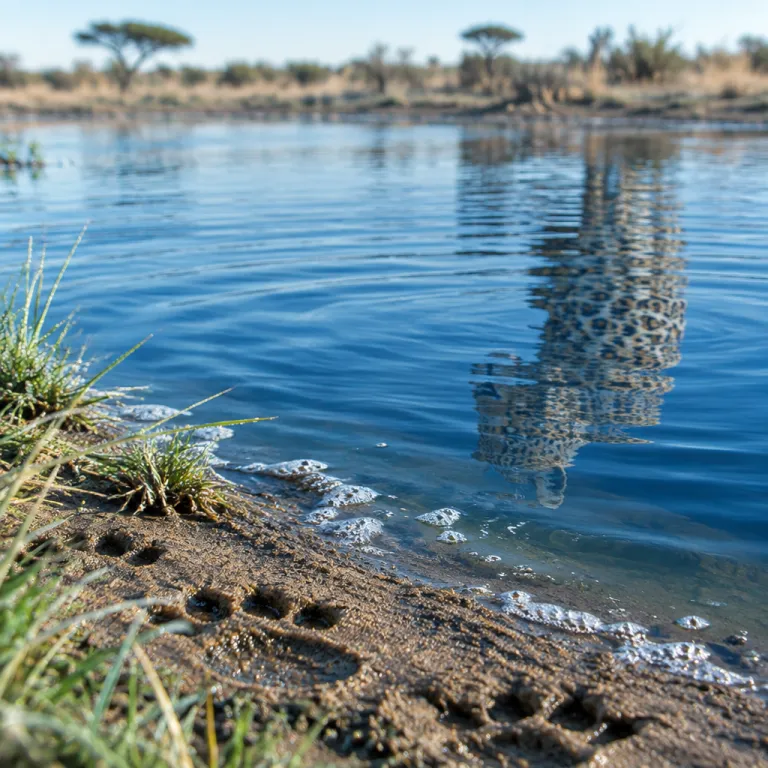
By July, the southern Africa winter has tightened its grip, and the bushveld’s water network has shrunk to a handful of reliable pans and pumped waterholes. This is when lions, leopards and hyenas, the core predators of any Africa safari, begin to treat these points as nightly rendezvous, because the prey herds have no choice but to come in from the surrounding game reserve plains. Guides across South Africa consistently report that this is the season when a single waterhole can deliver the Big Five in one sitting, and when a patient family on a winter safari can watch the full arc of the predator–prey relationship play out in front of them.
Cold air is the hidden ally of the safari guest who is willing to climb into an open vehicle before dawn, because predators burn less energy and hunt more often when the temperature drops. In July’s winter months, lions in the Greater Kruger National Park and private reserves to the south of the park often stay active well into the late morning, while leopards use the long nights to patrol and mark territory, which raises the odds of sightings on both early and late game drives. As one conservation briefing for tourists from a Kruger-based operator puts it without exaggeration, "Dry conditions concentrate wildlife at water sources, making predators more visible," a pattern that field rangers see repeated across the main southern Africa safari circuits.
The dry season also sharpens the experience for serious photographers, who find that the low angled winter light in southern Africa gives depth to every image and keeps heat haze at bay during the best time of day for game viewing. With vegetation reduced to skeletal bushwillow and open grass, your guide can position the vehicle at a respectful distance while still giving children a clear line of sight to the action, which is a crucial safety and comfort factor for premium family safaris. If you are comparing a July visit south to a trip further north to Victoria Falls or the East African plains, remember that while the Great Migration pulls attention away, the South African reserves quietly deliver year round predator intensity that peaks in this winter season according to long term sighting records from private lodges.
For travelers who like to pair destinations, a circuit that links a Kruger National private concession with a few days near Victoria Falls can work beautifully in the dry season, because flight connections across southern Africa are designed around this peak safari period. During these months, many high end lodges also offer specialist photographic safaris and walking safaris with trackers who read the dust like a book, turning each day into a layered safari experience rather than just a sequence of drives. If you are interested in how different ecosystems handle predator density and guest impact, it is worth reading about elevated luxury safari experiences in Kenya’s Tsavo West, such as the detailed review of Soroi Lions Bluff Lodge on our platform, before you commit to a single region.
Kruger, Sabi Sands and the art of the winter game drive for families
Within South Africa, the Kruger National Park and its neighboring private reserves remain the reference point for a winter safari focused on predators, especially for families who want comfort without losing that raw African edge. The public park offers vast landscapes and a sense of scale, while the private game reserve concessions along its western boundary, such as Sabi Sand, deliver tightly managed game viewing with strict vehicle limits at sightings. For a premium family, the ability to move off road in these private areas during the dry season means your guide can follow a leopard from riverbed to rocky outcrop without the crowding that sometimes affects the main park roads.
July’s short days shape the rhythm of life in these reserves, with early morning game drives heading out around 5:30, a long midday rest and an afternoon drive that often returns to camp just after sunset. Temperatures at dawn can hover between 3 and 5 °C, so your lodge will usually provide blankets, hot water bottles and sometimes even heated seat pads, while you manage your own layering strategy with thermal base layers, fleece and a windproof outer shell. By late morning, the South African winter sun has usually pushed the mercury above 20 °C, so children can shed layers, swim in heated pools and reset before the next safari experience begins.
For families, the predictability of wildlife in the dry season is a gift, because guides can plan shorter, more focused drives that match younger attention spans while still hitting the best time windows for activity. Many of the top lodges in the Sabi Sand and Greater Kruger National region offer dedicated family suites, child friendly game drives and junior ranger programs that turn each day into a mix of education and adventure rather than a passive Africa safari. To understand what this looks like in practice, read our in depth review of Sabi Sabi Bush Lodge, which shows how a South African property can balance serious conservation, high level guiding and a relaxed, family oriented atmosphere in the heart of the African wilderness.
Because July falls in the local school holiday period, it is also one of the busiest months of the year for both the national park camps and the luxury lodges in the private reserves. Booking data from leading safari operators indicates that flagship properties in the Kruger area and Sabi Sand often reach capacity six to nine months in advance for this period, especially for family suites and exclusive use villas. That means you should treat your time to visit South Africa in winter as a project that needs early planning, and while rates are at their seasonal peak, the quality of game viewing and the density of predators during this winter season make the value proposition unusually strong for a premium family safari south of the equator.
Cape Town, layering strategies and how luxury lodges shape the winter safari day
Many premium families choose to start or end their winter safari in Cape Town, using the city as a soft landing before flying north and east into the main game reserve belts of South Africa. Cape Town in July feels like a coastal European winter, with cool, sometimes wet days, but its food scene, wine country and design forward guesthouses make it an easy counterpoint to the dust and drama of the bush. From this town at the southern tip of Africa, you can connect directly to Kruger National gateways or to other southern Africa hubs, stitching together a circuit that balances urban culture with intense wildlife immersion.
On the vehicle, the key to comfort in the winter months is a disciplined approach to layering, because the temperature swing between dawn and midday can be more than 15 degrees. Start with a thermal base layer, add a fleece or light down jacket, then a windproof shell, and finish with a beanie, scarf and gloves that you can peel off as the sun climbs during the day. Lodges that understand premium family needs will stock extra blankets, ponchos and hot water bottles on the vehicles, and some even provide child sized gear so that younger guests can focus on the game rather than the cold.
Luxury properties across South Africa have refined the winter safari schedule into a rhythm that respects both wildlife and family energy levels, with early bedtimes, hearty brunches and flexible afternoon activities. Between game drives, you might join a guided bush walk near camp, visit a local conservation project supported by the lodge or simply watch wildlife drift past a waterhole from the comfort of your suite, which is one of the quiet pleasures of the dry season. If you are curious about how other regions manage this balance between comfort and immersion, our guide to Ngorongoro Crater tours for discerning safari lodge guests shows how a different African ecosystem handles year round pressure while still delivering a high quality safari experience.
Across southern Africa, the broader trend is toward eco friendly safaris, with lodges investing in solar power, low impact infrastructure and partnerships with conservation organizations that protect both predators and prey. July’s peak in tourist numbers can be a force for good when managed well, because full camps mean more revenue for anti poaching units, community projects and habitat restoration that keep these national park landscapes intact for the next generation. For a premium family planning a winter safari south of the equator, choosing operators who support these initiatives is one of the most meaningful decisions you will make, and it will shape not just your own safari experience but the future of Africa’s wildlife.
FAQ
Why are predator sightings better in July during a winter safari in South Africa ?
Predator sightings are stronger in July because the dry season has concentrated wildlife at limited water sources, making both hunters and prey more visible in open terrain. Sparse vegetation in the South African bush means lions, leopards and other predators cannot melt into thick foliage, so guides can track them more effectively throughout the day. As one expert summary from a Kruger conservation briefing notes, "Dry conditions concentrate wildlife at water sources, making predators more visible," a pattern that underpins many winter safari itineraries.
What should a family pack for early morning game drives in the winter months ?
For July game drives in South Africa, plan for dawn temperatures around 3 to 5 °C and warmer conditions above 20 °C by midday, so layering is essential. Each person should have a thermal base layer, a warm mid layer such as fleece, a windproof outer jacket, a beanie, scarf and gloves that can be removed as the day warms. High quality binoculars, a camera with good low light performance and neutral colored clothing will help you make the most of every safari experience in the dry season.
Are July safaris in southern Africa crowded, and how early should I book ?
July is peak safari season across southern Africa, especially in flagship areas like Kruger National Park and the private reserves that border it, because this is widely regarded as the best time for game viewing. Lodge occupancy reports and tour operator statistics show that many camps fill several months in advance, particularly for family suites and interleading rooms that work well for children. To secure the properties and dates you want, plan to book your winter safari at least six to nine months before your intended time to visit South Africa.
Is July a good time to combine Cape Town with a Kruger safari for a premium family trip ?
July works very well for a combined Cape Town and Kruger itinerary, because the city offers a cool, atmospheric winter with strong food and wine options, while the bush delivers exceptional wildlife in the dry season. Many families spend three or four days in town before flying to a private game reserve, which helps children adjust to the time zone and break up long haul travel. This pairing gives you both urban culture and intense safari south of the equator in a single, well balanced trip.
How many game drives per day are typical in July, and is walking safe with children ?
Most luxury lodges in South Africa and the wider southern Africa region offer two main game drives per day in July, one at dawn and one in the late afternoon, with optional mid morning activities. Walking safaris are usually restricted to adults or older teenagers, because guides must manage risk carefully when predators and large prey species are active in the dry season. For younger children, many properties offer short, controlled bush walks near camp and tailored game drives that keep safety and attention spans in balance.