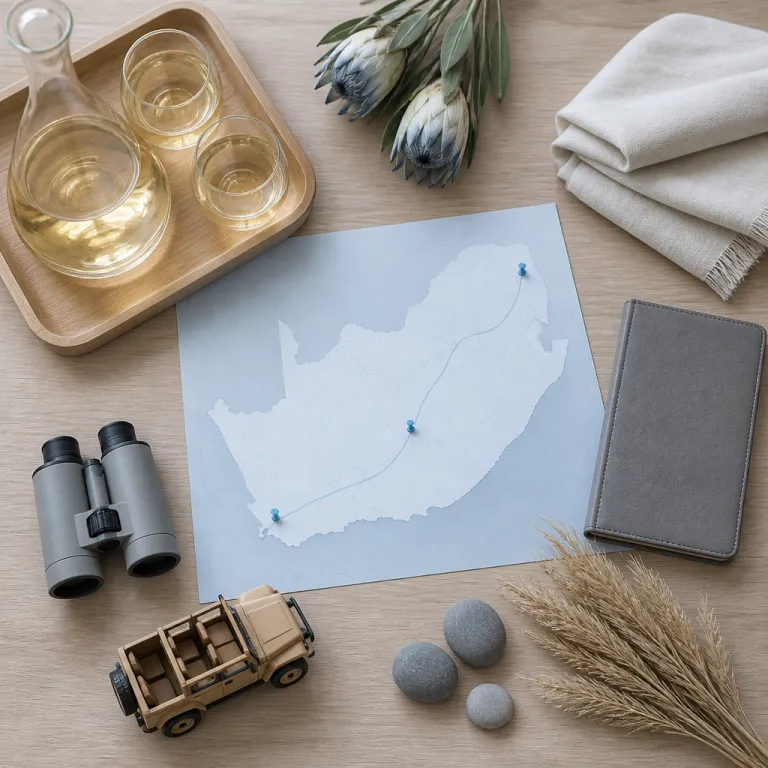
Why southern Africa travel shines when you pair Cape Town, the Winelands and a Kruger safari
Southern Africa travel reaches another level when you combine Cape Town, the Winelands and a Kruger safari in one curated journey. Instead of repeating a single route or park, this Cape Town–Winelands–Kruger combination brings together a cosmopolitan city, a coastal Cape landscape and a legendary game reserve in a single elegant arc. For a traveller choosing a safari lodge, it creates a clear itinerary from ocean-facing Cape Town to the bushveld of South Africa.
On a typical nine-day Cape Town and Kruger National Park itinerary, you might spend four days in the city, two nights among vineyards and three nights in a private game reserve bordering Kruger. This balance allows you to enjoy a relaxed day in Cape Town on the Atlantic beachfront, then shift into the rhythm of early morning game drives without feeling rushed between destinations. One recent traveller described sipping coffee on the V&A Waterfront at sunrise and spotting lions at dusk that same day, a contrast that captures the appeal of this route.
Travel experts such as Go2Africa, Safari.com and Africa Geographic now specialise in linking Cape Town, the Cape Winelands and the greater Kruger region, using private vehicles and expert guides to connect every lodge and city stay. Their curated days south of Johannesburg often start in Cape Town, continue through Stellenbosch and finish in a Sabi Sand or Sabi Sands game reserve, which shares an unfenced boundary with Kruger National Park. With international flights into Cape Town and out of a Kruger-area airport, your overall trip becomes a clean open-jaw route rather than a backtracking loop across South Africa, a structure frequently highlighted in sample itineraries and operator trip notes.
Designing a seamless Cape Town to Kruger National Park itinerary
Planning a combined Cape Town, Winelands and Kruger safari begins with deciding how many days you can devote to each region. A well-balanced nine-day itinerary usually allocates three or four nights in Cape Town, two nights in the Winelands and three nights in a safari lodge near Kruger National Park. This structure gives you enough days in each place to feel present, while still keeping the overall trip compact and efficient.
In Cape Town itself, choose a hotel close to the V&A Waterfront so you can walk between the marina, the Victoria & Alfred Mall and the departure points for Robben Island and harbour cruises. One full day can be devoted to Table Mountain and the city’s historic core, while another day focuses on the Cape Peninsula, Chapman’s Peak and a quiet beach near the Cape of Good Hope. A guide from a local operator recently noted that many guests list the moment they see penguins at Boulders Beach as the instant the city truly comes alive for them, even before they reach the park.
For the safari section, many travellers fly from Cape Town to an airstrip serving a private game reserve in the greater Kruger region, such as the Sabi Sand or Sabi Sands area. Here, a luxury safari lodge typically includes twice-daily game drives, all meals and conservation levies in a clear per-person, per-night rate, which simplifies budgeting. If you want a detailed example of how this works in practice, consult an elegant guide to booking a historic safari lodge in Sabi Sands, which shows how a classic property structures its game drives, park fees and lodge inclusions across several days, drawing on information similar to that shared in Go2Africa and Safari.com sample itineraries.
Choosing the right safari lodge in Sabi Sand and beyond
Selecting a safari lodge is the most critical decision in any Cape Town, Winelands and Kruger travel plan. The greater Kruger area includes both the formal Kruger National Park and a necklace of private game reserves such as Sabi Sand, each with its own style, guiding approach and level of luxury. Your choice of lodge will shape every day, every game drive and every night in the bush.
In a private game reserve like Sabi Sands, vehicles can leave the road network to follow big game sightings, which often leads to exceptional encounters with the Big Five. A high-end safari lodge here usually offers a low number of guests per vehicle, expert trackers and flexible game drives that respond to wildlife movements rather than fixed park routes. This is where a per-person, per-night rate becomes meaningful, because it includes not just a room but access to prime territory, seasoned guides and carefully timed days south of the main tourist flows, an approach frequently described in Africa Geographic features on the region.
Some travellers prefer a more historic atmosphere, choosing a gracious property that reflects the early days of safari in South Africa. For those guests, an elegant safari lodge for discerning travellers in Sabi Sand illustrates how heritage architecture, polished service and modern conservation can coexist in one reserve. Others may opt for a contemporary design-led lodge closer to the Kruger National Park boundary, where the focus is on expansive views, a strong connection to the surrounding park and easy access to both day drives and night drives within the reserve; one couple recently recalled watching elephants from their plunge pool between game drives, a detail that stayed with them long after the trip.
Where to stay in Cape Town and the Winelands for a luxury safari pairing
Before or after your time in a safari lodge, the right Cape Town base will frame your southern Africa journey with coastal glamour. Properties near the V&A Waterfront place you close to the Victoria & Alfred Basin, where yachts, working harbour craft and restaurants share the same sheltered Cape Town marina. From here, you can reach Table Mountain, the city centre and the Atlantic beach suburbs in a short drive, making it easy to structure each day around different parts of town.
Travellers who value art, privacy and elevated service often choose Ellerman House in Bantry Bay, which overlooks the ocean from a quiet residential cape. This refined property pairs well with a later stay in a Sabi Sand game reserve, because both emphasise curated experiences, fine dining and a strong sense of place in South Africa. A typical itinerary might include three nights at Ellerman House, two nights in a Winelands lodge and three nights in a Kruger-area safari lodge, creating a rhythm of city, vineyard and park; one guest described this sequence as feeling like three distinct chapters in a single story.
In the Winelands, Stellenbosch and Franschhoek offer a dense concentration of estates within a short drive, allowing you to visit several wineries in a single day without long transfers. Many vineyard properties operate almost like a small lodge, with only a handful of rooms, a focus on gastronomy and views of mountains rather than bushveld or beach. For a deeper look at how a heritage property can anchor the safari portion of such a trip, read an elegant guide to a historic safari lodge in South Africa, which shows how one Kruger-area lodge integrates game drives, conservation and guest comfort across multiple days, echoing the kind of detail often shared in Safari.com and Go2Africa lodge profiles.
Logistics, flights and timing for a smooth southern Africa journey
Thoughtful logistics turn a Cape Town, Winelands and Kruger itinerary from a good idea into a seamless reality. International flights usually arrive either in Johannesburg or Cape Town, and many travellers choose to start in Cape Town to ease into the time zone with gentle city days before early morning game drives. From there, a direct flight of about two and a half hours connects the city to airstrips serving Kruger National Park and nearby private reserves in South Africa.
Once in the bush, your safari lodge typically handles all transfers between the airstrip, the lodge and the game drives, so your only daily decisions involve whether to rest between activities or join every outing. A classic pattern is two game drives per day, one before breakfast and one in the late afternoon, with optional guided walks or spa treatments in the middle of the day. Over three or four nights, this rhythm allows you to explore different parts of the reserve, from riverine forest to open plains, increasing your chances of seeing big cats, elephants and other big game; many guests mention that by the second evening they feel fully in tune with the sounds of the bush.
When combining Cape Town, the Winelands and Kruger, many operators recommend April to May and September to November for balanced weather across both the coast and the bush. These shoulder seasons usually bring clear days on the Cape, good visibility from Table Mountain and comfortable temperatures during game drives in the park. To refine the timing and structure of your own trip, you can consult specialists such as Go2Africa, Safari.com or Africa Geographic, who craft personalised itineraries that align flight schedules, lodge availability and your preferred number of days south of the equator, often sharing sample calendars and climate charts to guide decisions.
Extending your southern Africa travel with Victoria Falls and beyond
Once you have committed to a Cape Town, Winelands and Kruger safari, it becomes tempting to add one more iconic landscape to your journey. Victoria Falls, on the border between Zambia and Zimbabwe, pairs naturally with a Kruger-area safari because regional flights connect these hubs efficiently. Many travellers choose to end their days in the spray of the falls, after the quiet intensity of game drives in a private reserve.
A typical extension might add two or three nights near Victoria Falls after your time in a Sabi Sand or Sabi Sands game reserve, creating a contrast between the stillness of the bush and the roar of the Zambezi River. Lodges and hotels near the falls range from classic colonial-era properties to contemporary riverfront retreats, and your choice will influence whether your final days feel more like a relaxed resort stay or a continuation of the safari lodge experience. Either way, the combination of Kruger National Park wildlife, Cape Town coastal scenery and Victoria Falls drama encapsulates the diversity of southern Africa in a single trip, a trio often highlighted in Africa Geographic destination round-ups.
Some itineraries also weave in quieter coastal or beach segments along the Indian Ocean, though these are usually better suited to longer journeys than a compact nine-day Cape Town and Kruger plan. If you do have extra days, consider adding a few nights on a warm-water beach after your time in the park, giving your body a gentle transition from early morning game drives to more languid days. Whatever you choose, the key is to maintain a clear narrative arc, so that each city, lodge, park and reserve feels like a deliberate chapter in your wider exploration of South Africa; one family, for example, framed their trip as a story for their children, with Cape Town as the prologue, Kruger as the adventure and Victoria Falls as the finale.
Key statistics for planning a Cape Town, Winelands and Kruger safari
- Cape Town welcomes about 2.6 million visitors each year, which supports a sophisticated hospitality scene and reliable flight connections for international travellers, according to data referenced by Go2Africa and similar tour operators that track tourism trends.
- Stellenbosch in the Cape Winelands hosts around 150 wineries, giving wine-focused travellers extensive choice within a compact area that can be explored over just a few days, as highlighted by Safari.com and regional wine tourism boards.
- Kruger National Park covers approximately 19 485 square kilometres, making it one of the largest national parks in Africa and allowing for diverse habitats that support the Big Five and many other species, as reported by Africa Geographic and official South African National Parks figures.
- The flight time between Cape Town and the Kruger region is approximately two and a half hours on a direct route, which makes it practical to combine city and safari within a single nine-day itinerary, a duration frequently recommended in Go2Africa and Safari.com sample trips.
- Travel specialists note that April to May and September to November generally offer favourable weather across both Cape Town and Kruger, helping travellers balance beach walks, city touring and comfortable game drives, a pattern echoed in Africa Geographic climate summaries and operator planning guides.
FAQ about combining Cape Town, the Winelands and Kruger in one trip
What is the best time to visit Cape Town and Kruger on one itinerary ?
According to expert guidance, April to May and September to November offer favourable weather across both regions, which suits a combined Cape Town, Winelands and Kruger safari. During these months, Cape Town usually has clear days for Table Mountain and coastal touring, while Kruger National Park often provides comfortable temperatures and good visibility on game drives. This timing helps you enjoy both city and safari without extreme heat or heavy rain disrupting your days.
How long should I plan for a combined Cape Town and Kruger trip ?
A nine-day itinerary is a proven structure for pairing Cape Town, the Winelands and a Kruger-area safari lodge. Many travellers allocate three or four nights in Cape Town, two nights among the vineyards and three nights in a private game reserve bordering Kruger National Park. This balance allows enough time for the city, wine country and park without making the trip feel rushed, and mirrors the sample schedules often published by Go2Africa and Safari.com.
Are there malaria risks in Kruger and nearby private reserves ?
Yes, it is advisable to take malaria prophylaxis when visiting Kruger and adjacent private reserves such as Sabi Sand or Sabi Sands. You should consult your healthcare provider well before departure to choose the right medication and dosage for your health profile. Lodges also typically provide mosquito nets and encourage the use of repellents, especially during the evening and night.
How long is the flight from Cape Town to the Kruger region ?
The flight from Cape Town to airports serving the Kruger area is approximately two and a half hours on a direct service. This short duration makes it easy to move from a day spent exploring the V&A Waterfront or Table Mountain to an afternoon game drive in a private game reserve. Because schedules can vary, it is wise to coordinate your international flights and regional legs through a single operator or trusted agent, following the kind of joined-up planning recommended in Africa Geographic and specialist safari operator advice.
Do I need to book far in advance for a luxury safari lodge near Kruger ?
High-end safari lodges in the greater Kruger region, especially in Sabi Sand, often have limited rooms and fill quickly during peak months. To secure your preferred lodge, room type and exact number of nights, booking several months ahead is strongly recommended. Early planning also helps align your lodge dates with Cape Town hotel availability and international flights, ensuring a smooth journey from start to finish.
Sample nine-day Cape Town, Winelands and Kruger itinerary at a glance
To see how these elements fit together, imagine a concise nine-day journey. Day 1: arrive in Cape Town, settle at a V&A Waterfront or Bantry Bay hotel and stroll the marina. Day 2: ride the cable car up Table Mountain, then explore the Company’s Garden and Bo-Kaap. Day 3: drive Chapman’s Peak, visit Cape Point and Boulders Beach, returning to the city for dinner. Day 4: enjoy a relaxed morning on the Atlantic seaboard before transferring to a Winelands lodge.
Day 5: tour Stellenbosch and Franschhoek estates, with tastings and a long vineyard lunch. Day 6: fly from Cape Town to a Kruger-area airstrip and transfer to your safari lodge in Sabi Sand or a neighbouring reserve, arriving in time for an afternoon game drive. Days 7 and 8: follow the classic safari rhythm of dawn and dusk drives, with optional bush walks or spa time between activities. Day 9: take a final early morning game drive, then connect to your onward flight, carrying with you a clear narrative that links city, vineyard and wilderness in one southern Africa journey.