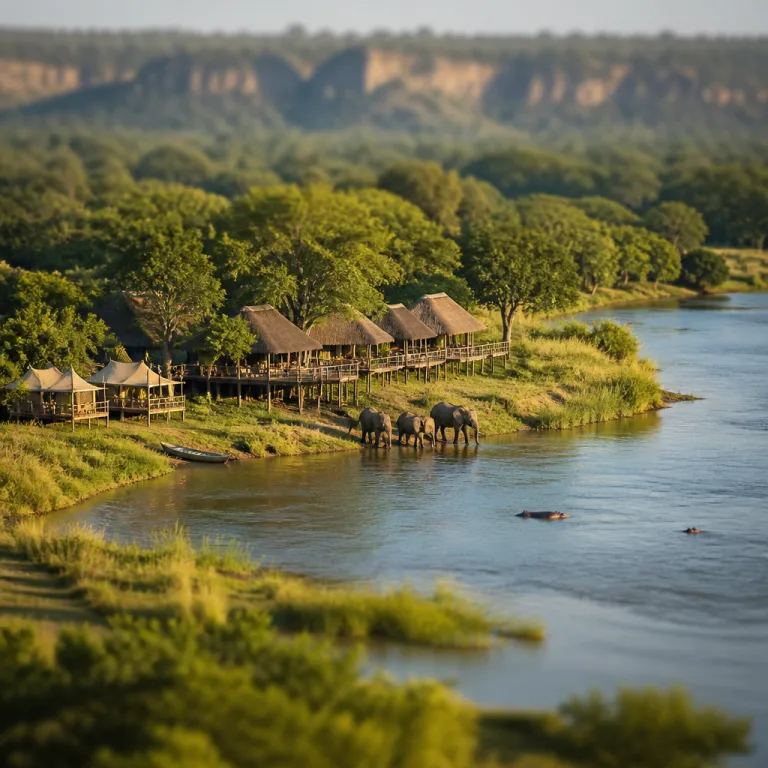
Why a Lower Zambezi safari in Zambia is suddenly on every shortlist
Lower Zambezi safari Zambia itineraries have shifted from connoisseur secret to serious contender for a first African safari. Zambia has seen a marked rise in safari interest and the Lower Zambezi National Park is absorbing much of that demand thanks to its river-based wildlife viewing and quietly polished luxury safari lodges along the Zambezi River. For couples used to South Africa or Kenya, this park feels like Africa before the crowds, yet with the kind of attentive service and refined camps you expect from the best properties on the continent.
The Lower Zambezi National Park stretches over roughly 4 000 km² of protected wilderness along the lower reaches of the Zambezi, opposite Zimbabwe’s Mana Pools across the river in southern Africa. Official protected area records from Zambia’s Department of National Parks and Wildlife, summarised by Zambia Tourism, place the park at just over 4 000 km², but most public documents round the figure rather than quoting a precise boundary measurement. Regional tourism summaries indicate that the park welcomes on the order of fifteen to twenty thousand visitors a year, a modest volume compared with South Luangwa or Kruger in South Africa, which keeps the game viewing uncrowded and the atmosphere deeply wild. That balance between low-density safaris and high-comfort lodges is exactly why interest has climbed steadily while the experience still feels like a private concession.
For a couple planning a luxury safari, the appeal lies in how Lower Zambezi combines classic game drives with water-based safaris that feel almost meditative. You still have the traditional 4x4 game drives for lions, leopards and elephant herds, but you also spend long golden hours drifting on the river, watching wildlife come to drink while your guide pours a G&T from the cooler box. As one long-time Zambia guide puts it, “On the Zambezi, the river does the talking – we just position the canoe and let the wildlife come to us.” That duality makes a Lower Zambezi safari in Zambia one of the most revealing ways to understand how a river shapes an ecosystem and why this national park is emerging as a serious rival to more famous African safari destinations.
Water based safaris on the Zambezi river: why they change everything
On a Lower Zambezi safari in Zambia, the river is not a backdrop but the main stage. Canoe safaris put you almost at eye level with hippos and crocodiles, while elephants cross the Zambezi River ahead of you and carmine bee-eaters flash along the banks in impossible colour. That kind of wildlife viewing simply feels different from a vehicle-based safari, because the sounds of the park are unfiltered and the pace is dictated by the current rather than the engine.
Guides here are adept at reading both the river and the bush, alternating canoe safaris, motorboat outings and traditional game drives to match the light and the movement of wildlife. A typical luxury safari day might start with a dawn paddle along a quiet channel of the Lower Zambezi, continue with a mid-morning walk on one of the islands, then finish with an evening game drive back into the national park interior. The result is an experience that feels layered and immersive, especially for couples who want more than just ticking off the Big Five on a checklist.
For travellers comparing peak season strategies across Africa, it is worth reading how top camps manage pressure in busier ecosystems such as the Serengeti in July, as explored in this analysis of what the great migration camps are doing differently in peak season. In contrast, Lower Zambezi’s visitor numbers remain low enough that you can often have a channel of the Zambezi National Park shoreline to yourselves, with only your canoe, your guide and the quiet splash of paddles. That solitude, combined with the soft luxury of riverside camps, is what converts many first-time safari guests into repeat Zambia loyalists.
New luxury safari lodges and bush camps reshaping the Lower Zambezi
The surge in interest for Lower Zambezi safari Zambia trips has coincided with a new generation of lodges and bush camps. Established names such as Chiawa Camp and Royal Zambezi Lodge have long set the benchmark for understated luxury safari style on this stretch of river, with canvas suites, polished guiding teams and serious conservation credentials. Now a wave of openings is adding fresh energy while keeping the focus on intimacy and sense of place rather than sheer scale.
Nzovu Rundu Luxury Camp is scheduled to open with a small collection of chalets, including luxury suites and family units, each with a private plunge pool looking over the Lower Zambezi floodplain. Operated by Shearzone Safaris according to preliminary lodge announcements, this camp is positioning itself as a high-comfort base for couples who want both river-based activities and classic game drives deeper into the national park. Before booking, it is sensible to confirm final opening dates, room counts and facilities directly with the operator or a specialist safari agent, as new projects in remote areas sometimes adjust timelines. Expect long afternoons in your plunge pool watching elephants move along the river, followed by dinners that lean into Zambia’s culinary heritage rather than generic international menus.
Further north in Luangwa national territory, Carmines River Lodge in South Luangwa is expected to offer a handful of two-bedroom villas that pair well with a Lower Zambezi stay for a longer itinerary. While Carmines is not in the Lower Zambezi National Park, it reflects the same Zambian approach to luxury, where the emphasis is on guiding quality, wildlife viewing and a strong conservation model. For travellers planning ahead, it is worth tracking the curated list of safari lodges opening this summer that you should be booking now, because the best river-facing suites with private plunge pools in both Lower Zambezi and South Luangwa are already seeing waitlists in peak months.
How Lower Zambezi compares with South Luangwa, Victoria Falls and South Africa
Couples weighing a Lower Zambezi safari in Zambia against South Luangwa or South Africa’s private reserves are really choosing between different safari moods. Lower Zambezi is about the river, the light on the water and the slow rhythm of canoe safaris, while South Luangwa excels at intense predator action on dry riverbeds and night drives that feel almost cinematic. South Africa’s top private reserves, by contrast, offer very high lodge density, short transfer times and a polished hospitality machine, but rarely the sense of wilderness you feel when the Zambezi River is the only sound outside your tent.
Victoria Falls adds another layer again, turning a Lower Zambezi trip into a broader southern Africa circuit that balances adrenaline and rest. Many travellers now structure a two-week itinerary that starts with three or four nights at a safari lodge in South Luangwa, continues with four or five nights in a Lower Zambezi bush camp or river lodge, then finishes with two or three nights near Victoria Falls for a final hit of drama. That sequence gives you the best of Zambia’s national parks and its most famous waterfall, without the constant flights and lodge hopping that can make some African safari holidays feel like a logistics exercise.
From a pricing perspective, Zambia’s luxury safari camps typically undercut comparable properties in Botswana’s Okavango or Kenya’s Maasai Mara, while still offering private plunge pools, strong guiding and serious conservation commitments. Booking platforms and specialist tour operators regularly highlight Zambia as a value-forward destination, with fully inclusive luxury camps in the Lower Zambezi often starting from the mid to upper hundreds of US dollars per person per night in shoulder season and rising into four-figure nightly rates at the very top end in peak months. For many couples, that means you can afford an extra night on the river or upgrade to a more exclusive Zambezi lodge without blowing the budget. When you factor in the low visitor numbers in the Lower Zambezi National Park and the quality of wildlife viewing, the value proposition becomes hard to ignore.
When to go, how long to stay and how to book the best camps
Timing is everything on a Lower Zambezi safari in Zambia, because the river dictates both access and wildlife patterns. The best time for most travellers is the dry season from roughly May to October, when the bush thins out, animals concentrate along the Zambezi River and canoe safaris are at their most rewarding. During these months, water levels are stable enough for safe paddling and the combination of cool mornings with warm afternoons makes long game drives and walks comfortable.
Shoulder season can work for couples who prioritise solitude and are comfortable with a little more heat and the possibility of afternoon storms. Some bush camps and smaller lodges close in the wettest months when parts of the Lower Zambezi floodplain become inaccessible, so it is essential to check opening dates before locking in flights. As a rule of thumb, plan at least four nights in the Lower Zambezi National Park itself, which gives you enough time to mix game drives, canoe safaris, boat trips and perhaps a morning on foot without feeling rushed.
When booking, look beyond glossy images and pay attention to guiding credentials, conservation partnerships and verified guest feedback on platforms such as Tripadvisor. Most visitors fly into Lusaka and then connect by light aircraft to airstrips such as Jeki or Royal, with flight times of around 30 to 40 minutes and onward boat or vehicle transfers into camp. Airline schedules and charter operators publish current routings and transfer times, so it is worth checking these details when comparing itineraries. Zambia’s rise in eco tourism has been accompanied by a stronger focus on sustainable tourism practices, with local communities and conservation NGOs increasingly involved in camp operations. A good safari lodge in this region will be transparent about its support for projects such as the Green Safaris Conservation Foundation, which reports investing hundreds of thousands of US dollars into education, community upliftment and wildlife preservation in Zambia and Malawi.
Conservation, community and why this quiet park feels like the future of safari
Part of the appeal of a Lower Zambezi safari in Zambia is knowing that your stay can contribute directly to the survival of the park. The Lower Zambezi National Park was formally proclaimed in the early 1980s and later integrated into a transfrontier conservation area, creating a larger protected landscape along the lower reaches of the Zambezi shared with Zimbabwe. Today the Department of National Parks and Wildlife works with local tour operators, community trusts and conservation NGOs to manage a park that holds a substantial elephant population, healthy predator numbers and a growing reputation for low-impact safaris. Recent wildlife monitoring reports for the broader Lower Zambezi ecosystem indicate an elephant population in the high hundreds to low thousands, but exact figures fluctuate and are best treated as informed estimates rather than fixed totals.
As visitor numbers have increased in recent years, the focus has been on promoting eco tourism that conserves biodiversity while supporting local livelihoods. Many of the best lodges and bush camps now employ staff from nearby villages, fund school programmes and back anti-poaching patrols, often in partnership with organisations such as the Green Safaris Conservation Foundation. Publicly available impact summaries from the foundation refer to investments in the region of 400 000 US dollars into education, community upliftment and wildlife projects across Zambia and Malawi, illustrating how high-end safari tourism can directly support long-term conservation outcomes. In this context, the advice often given to guests is simple yet powerful: “Book in advance, visit during dry season, respect wildlife”.
For couples used to more commercialised reserves, there is something quietly radical about a park where the night sky is still dark, the river remains the main highway and luxury is measured as much in silence as in thread count. You might return from a late game drive to your tent at Chiawa Camp or Royal Zambezi Lodge, slip into your plunge pool and hear lions calling across the Zambezi national floodplain, with no other camp lights in sight. That is the essence of this corner of Africa: a place where luxury safaris, serious wildlife viewing and thoughtful conservation are not competing ideas but parts of the same carefully balanced ecosystem.
Key statistics for a Lower Zambezi safari in Zambia
- The Lower Zambezi National Park covers just over 4 000 km² along the Zambezi River in southern Zambia, creating a sizeable yet still relatively low-traffic wildlife sanctuary compared with more famous African parks (source: Zambia Tourism Board and Department of National Parks and Wildlife protected area records, which present rounded figures).
- Annual visitor numbers to the Lower Zambezi National Park are generally reported in the mid five-figure range, which is a fraction of the traffic seen in South Africa’s Kruger or Tanzania’s Serengeti and helps maintain uncrowded game drives and canoe safaris (source: regional tourism authority summaries and international park visitation data; figures are indicative and may vary year to year).
- Recent aerial surveys and wildlife monitoring for the wider Lower Zambezi landscape suggest an elephant population in the order of several hundred to just over a thousand individuals, forming part of a transfrontier herd that moves between Zambia and Zimbabwe and benefits from coordinated anti-poaching efforts (source: international wildlife monitoring reports and transboundary conservation assessments; numbers are best viewed as estimates rather than exact counts).
- Zambia has recorded a significant increase in safari travel interest in recent seasons, with the Lower Zambezi emerging as one of the main beneficiaries thanks to its combination of river-based activities, strong wildlife viewing and competitive luxury lodge pricing relative to Botswana and Kenya (source: regional tour operator booking trends and market analysis from specialist African safari agencies).
- The Green Safaris Conservation Foundation reports investing roughly 400 000 US dollars into education, community upliftment and wildlife preservation projects across Zambia and Malawi, illustrating how high-end safari tourism can directly support long-term conservation outcomes in and around national parks (source: Green Safaris Conservation Foundation impact updates; figures rounded to reflect published ranges).
FAQ about planning a Lower Zambezi safari in Zambia
What activities are available in Lower Zambezi national park ?
Travellers can choose from canoe safaris on the Zambezi River, traditional 4x4 game drives, guided walking tours and motorboat outings along the channels. Many lodges also offer catch-and-release tiger fishing, birding excursions and cultural visits to nearby communities. The mix of water-based and land-based activities is one of the park’s main differentiators within Africa’s safari circuit.
When is the best time to visit the Lower Zambezi ?
The best time for most visitors is the dry season from roughly May to October, when vegetation is thinner and wildlife concentrates along the river. During these months, canoe safaris are usually possible, road access within the park is more reliable and temperatures are comfortable for both morning and evening game drives. Some camps close in the wettest months, so always confirm seasonal dates when planning your trip.
What wildlife can I expect to see on a Lower Zambezi safari ?
The Lower Zambezi National Park supports healthy populations of elephants, lions, leopards, hippos and crocodiles, along with buffalo, various antelope species and rich birdlife. While it is not marketed as a strict Big Five destination, sightings of four of the Big Five are common, especially during the dry season. The combination of river and inland habitats makes for varied wildlife viewing over a four or five night stay.
How long should I stay in the Lower Zambezi and how does it combine with other areas ?
A minimum of four nights in a single safari lodge or bush camp is recommended to experience both river-based activities and inland game drives without rushing. Many travellers pair the Lower Zambezi with South Luangwa for a contrasting national park experience, then add Victoria Falls at the end for a dramatic finale. This two-week structure offers a strong overview of Zambia’s safari offering while keeping internal travel manageable.
Is a Lower Zambezi safari suitable for first time safari travellers ?
The Lower Zambezi is an excellent choice for first-time safari guests who value quiet camps, strong guiding and a mix of activities. Water-based safaris are generally gentle and accessible, and lodges are adept at tailoring game drives and walks to different comfort levels. For couples seeking a romantic yet adventurous introduction to Africa, this park offers a compelling alternative to more crowded reserves in South Africa or East Africa.