Why a Tanzania safari in Ruaha and Katavi feels genuinely off the beaten path
For travelers who think they know every angle of a Tanzania safari, Ruaha and Katavi quietly rewrite the script. These southern and western reserves trade the traffic jams of the Serengeti for vast, wild spaces where your game vehicle may be the only one on the horizon during long days of exploration. If you want the best balance between raw wildlife and refined luxury, this is where a Tanzania luxury lodge finally feels aligned with the landscape rather than imposed upon it.
Ruaha National Park covers 20,226 km², making it the largest national park in Tanzania and one of the most compelling places to experience Tanzania safaris that still feel pioneering (Tanzania National Parks Authority, Ruaha National Park Profile, 2023). Katavi National Park, at 4,471 km², is smaller on paper yet feels even more remote, a hidden gem where the wild drama around the Katuma River and its shrinking hippo pools rivals any great migration spectacle in the north (TANAPA, Katavi National Park Facts & Figures, 2022). Both parks sit firmly off the usual beaten path, yet they deliver a safari experience that many seasoned African safari guides quietly rank among the best Tanzania has to offer.
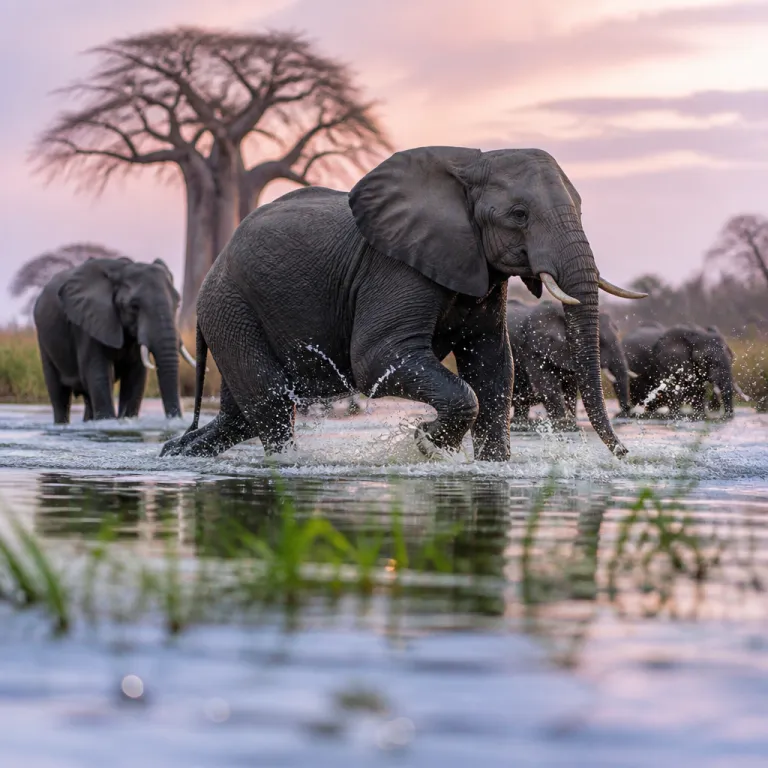
On a single Tanzania safari day in Ruaha you might track lions along the Great Ruaha River at dawn, then watch elephants file down to drink while fish eagles call above the game-rich banks. In Katavi, late dry-season days bring dense wildlife around the remaining water, with crocodiles, buffalo and plains game compressed into intense scenes that feel almost prehistoric. This is not the choreographed wildebeest migration of the Serengeti or the photogenic sweep of the Ngorongoro Crater; it is a more intimate, less edited version of Africa that rewards travelers who choose to visit Tanzania with patience and curiosity.
How Ruaha and Katavi compare to the Serengeti, Ngorongoro and Lake Manyara
Most first-time visitors to Tanzania start with the Serengeti, Ngorongoro Crater and Lake Manyara, and for good reason. The great wildebeest migration, the iconic crater walls and the flamingo-lined lake create a powerful introduction to African safari life, especially when combined with views of Mount Kilimanjaro from the air during transfers between parks. Yet once you have seen the river-crossing scenes and the great migration herds, the question becomes where to go next for a deeper safari experience.
Ruaha and Katavi answer that question by offering wildlife densities that rival the best northern parks, without the convoy of vehicles that often surrounds a wildebeest migration sighting in peak season. In Ruaha, predator density is exceptionally high, with lions, leopards and cheetahs working the river systems and open plains in a way that feels more private than in the Serengeti or around Lake Manyara National Park (TANAPA, Large Carnivore Status Reports, 2022–2023). Katavi, by contrast, is about concentration rather than sheer numbers, with hippo- and crocodile-packed pools creating some of the most dramatic game viewing in Africa during the driest days.
For travelers who still want a taste of the north, it is entirely possible to combine a few days in the Serengeti or near the Ngorongoro Crater with time in the south and west, using a curated lodge collection to maintain a consistent level of luxury. A refined property between Lake Manyara and Tarangire National Park can serve as a gentle bridge between the better-known circuit and the more remote parks. The result is a best Tanzania itinerary that moves from iconic sights to quieter, off-the-beaten-path regions, allowing you to experience Tanzania in layers rather than in a single, crowded sweep.
Ruaha National Park: riverfront predators, vast territory and serious guiding
Ruaha National Park sits in southern Tanzania, reached most efficiently by light aircraft from Dar es Salaam or the northern circuit airstrips. The park’s defining feature is the Great Ruaha River, a lifeline that draws elephants, buffalo, antelope and predators into a narrow band of intense wildlife activity during the driest days of the season. For guests staying at a top-tier Tanzania luxury lodge here, such as Jabali Ridge, Ikuka Safari Camp or Asilia’s Kwihala, the safari experience is about long, unhurried game drives that follow the river’s bends and the sandy tributaries that feed it.
Guides in Ruaha work a landscape that shifts from baobab-studded hills to open plains, giving you a constantly changing backdrop for wildlife encounters. Tanzania National Parks Authority (TANAPA, Ruaha Ecological Brief, 2023) notes that the area supports elephants, lions, leopards, cheetahs and wild dogs, and in practice that means you can spend entire safaris focused on predators without ever feeling you are chasing the same sighting twice. The best lodges pair highly qualified guides with trackers who read the dust and dung with the same fluency that sommeliers read a wine list, turning each game drive into a narrative rather than a checklist.
Because Ruaha remains firmly off the main beaten path, even peak-season sightings often involve just one or two vehicles, which dramatically changes the feel of each Tanzania safari moment. You might watch a pride of lions stalk plains game along the riverbank in complete silence, or follow wild dogs as they fan out across a dry riverbed without another safari vehicle in sight. For a deeper planning overview, our elegant guide to immersive Ruaha safari lodges breaks down which camps deliver the most rewarding balance of comfort, conservation ethos and access to prime wildlife areas.
Katavi National Park: remote drama, hippo pools and serious solitude
Katavi National Park is where Tanzania safaris cross into true expedition territory, both in terms of logistics and atmosphere. Access usually involves a charter flight from Arusha or Dar es Salaam, or a long and demanding road journey that only the most committed African safari purists attempt. Typical bush flights take around three to four hours with intermediate stops and cost in the region of US$500–900 per person one way, which is one reason Katavi remains one of Africa’s least visited national parks and why the sense of solitude here is unmatched even by Ruaha or other southern Tanzania reserves (TANAPA, Visitor Statistics Summary, 2022).
During the late dry season, the park’s rivers shrink into a series of pools, concentrating hippos, crocodiles and thirsty plains game into tight, volatile spaces. The result is a kind of slow-burn wildlife theatre, where every hour brings a new confrontation, a shift in dominance or a sudden burst of movement as animals jostle for position. TANAPA’s 2022 wildlife summaries list elephants, lions, leopards, cheetahs and wild dogs here as well, and Katavi quietly matches that predator roster while adding its own signature hippo and crocodile scenes.
Luxury in Katavi is not about marble bathrooms or oversized wine cellars; it is about having a front-row seat to some of the most intense game viewing in Africa with almost no one else around. A handful of well-run camps, including Chada Katavi, Katavi Wildlife Camp and Mbali Mbali Katavi, offer comfortable tents, excellent guiding and the kind of flexible schedule that lets you stay out all day when the wildlife action demands it. For travelers who already know the Serengeti and Ngorongoro Crater, a few days in Katavi can feel like stepping back into an earlier era of Tanzania safari travel, when the word “crowd” rarely applied to anything but wildebeest and zebra.
Designing a luxury itinerary across Tanzania’s overlooked circuits
Building a high-end itinerary that links Ruaha, Katavi and perhaps the Nyerere ecosystem requires more thought than a standard northern circuit loop. Charter routes, scheduled bush flights and park regulations all shape how many days you can realistically spend in each national park without turning your safari into a blur of airstrips. A good specialist or local tour operator will help you balance flight time, budget and the best time for wildlife in each region, ensuring that every transfer adds to your experience Tanzania journey rather than simply moving you between beds.
A classic off-the-beaten-path route might start with a few days in Nyerere, where boat safaris on the Rufiji River and walking safaris through miombo woodland introduce you to a slower, more tactile style of game viewing. From there, a flight to Ruaha shifts the focus to vehicle-based game drives and intense predator action along the Great Ruaha River, before a final hop to Katavi for the most remote segment of the trip. As a sketch, a 12-night itinerary could look like: three nights in Nyerere, four nights in Ruaha and four nights in Katavi, with one overnight in Dar es Salaam or Arusha to smooth flight connections. Throughout, the emphasis is on depth rather than breadth, trading the great wildebeest migration crowds for quieter, more personal wildlife encounters that still rank among the best Tanzania safaris available.
For travelers who care about seasonality, it is worth reading our analysis of why cold-season nights often produce the best predator sightings on southern African winter safaris. While Ruaha and Katavi sit in Tanzania rather than further south, the same principles apply: cooler, drier conditions concentrate wildlife around water and extend the hours when predators are active. Aligning your dates with this pattern can transform a good safari experience into a truly exceptional one, especially in parks where river systems and shrinking pools dictate the daily rhythm of wildlife.
What to expect from guiding, activities and lodge style in Ruaha and Katavi
Guiding quality is the single most important variable in any safari experience, and in Ruaha and Katavi it tends to be exceptionally strong. Because these parks attract more experienced travelers and serious wildlife enthusiasts, lodges invest heavily in training and retaining guides who can interpret subtle animal behavior rather than simply find the nearest lion. You will spend long days with these professionals, so their ability to read your interests and adjust the pace of each game drive matters as much as their knowledge of the park.
Activities in Ruaha focus on classic 4x4 game drives, with some camps offering walking safaris along dry riverbeds or in open plains when conditions allow. In Katavi, the emphasis is also on vehicle-based exploration, but the rhythm is dictated by the hippo pools, the remaining watercourses and the movements of large herds of buffalo and other plains game. Across both parks, the wild setting means that night drives, bush breakfasts and full-day safaris are often possible, giving you a flexible framework to experience Tanzania in a way that suits your energy and curiosity.
Lodge style in these regions tends toward understated luxury rather than ostentatious design, with canvas, stone and thatch used to frame views of the river or plains rather than compete with them. Expect comfortable beds, good linen and thoughtful details, but do not expect the urban gloss sometimes found in more famous national parks near the Serengeti or Lake Manyara. The real indulgence here is space and silence: the ability to sit on your deck and watch wildlife move across the landscape without another structure, vehicle or human voice intruding on the moment.
Cost, value and who these off the beaten path circuits suit best
One of the quiet advantages of southern Tanzania and the western parks is that, night for night, they often cost less than the most in-demand Serengeti or Ngorongoro Crater lodges. Flight legs between remote airstrips can add to the overall budget, yet the lower park fees and more modest lodge rates usually balance that out for travelers planning several days in each area. As a rough guide, shared charter flights between hubs like Arusha and Ruaha or Katavi can add several hundred US dollars per person each way, but the trade-off in exclusivity is significant and is reflected in TANAPA’s lower visitor numbers for these parks compared with the Serengeti (TANAPA, Visitor Statistics Summary, 2022).
These circuits suit travelers who have either visited Tanzania before or who are comfortable skipping some of the classic postcard views in favor of a more immersive African safari. If your dream is to watch a river crossing during the great migration, then the Serengeti and its great wildebeest herds remain essential, and you can always add Ruaha or Katavi as a quieter coda. If, however, you want to feel the scale of a national park with almost no other vehicles, to track lions by their calls at night and to wake with only hippos and birds as neighbors, then starting in the south and west may be the best Tanzania strategy.
Ultimately, a Tanzania safari that includes Ruaha and Katavi is about trading certainty for possibility, and crowds for genuine wildness. You may not tick every species in a single day, but the sightings you do have will feel earned, unhurried and deeply personal. For many seasoned travelers, that shift in rhythm is exactly what elevates a trip from a standard safari experience to a lifelong benchmark for what it means to visit Tanzania well off the beaten path.
Key figures for Ruaha, Katavi and Tanzania’s overlooked safari circuits
- Ruaha National Park covers 20,226 km², making it the largest national park in Tanzania and giving each safari vehicle access to far more space per guest than in the more compact northern parks (source: Tanzania National Parks Authority, Ruaha National Park Profile, 2023).
- Katavi National Park spans 4,471 km², yet receives only a fraction of the visitor numbers seen in the Serengeti, which translates into some of the lowest vehicle densities per wildlife sighting in Africa (source: Tanzania National Parks Authority, Visitor Statistics Summary, 2022).
- The dry season from June to October is generally considered the best time for concentrated wildlife viewing in both Ruaha and Katavi, as shrinking water sources draw animals into predictable patterns around rivers and pools (source: Tanzania National Parks Authority, Seasonal Guidelines, 2023).
- Growing interest in off-the-beaten-path safaris across Africa has led to a measurable increase in demand for southern Tanzania itineraries, supporting both conservation funding and local employment in remote regions (source: regional tourism board reports, 2021–2023).
- Remote, uncrowded experiences in parks like Ruaha and Katavi are increasingly cited by tour operators as a key innovation in Tanzania safaris, offering an alternative to the high-traffic game viewing often associated with the Serengeti and Ngorongoro Crater (source: industry surveys and lodge owner interviews, 2022).
FAQ: planning a luxury safari in Ruaha, Katavi and beyond
What wildlife can I expect to see in Ruaha and Katavi?
Ruaha is known for large populations of elephants, lions, leopards, cheetahs and wild dogs, with excellent general game along the Great Ruaha River. Katavi offers a similar predator mix but is especially famous for its dense hippo and crocodile pools during the late dry season, alongside big herds of buffalo and other plains wildlife. Both parks provide a strong chance of seeing classic African safari species without the crowds often found in the Serengeti (source: TANAPA wildlife profiles, 2022–2023; see also the key figures above for area and visitor context).
How do I access Katavi National Park for a luxury stay?
Access to Katavi is primarily by charter flight from hubs such as Arusha or Dar es Salaam, using scheduled bush services that connect several remote airstrips. It is technically possible to reach the park by road, but the journey is long and demanding, so most luxury travelers choose to fly. Your lodge or tour operator will usually coordinate flights to align with check-in and check-out days, simplifying the logistics and minimizing time spent in transit.
How many days should I spend in Ruaha and Katavi on one itinerary?
For a balanced off-the-beaten-path Tanzania safari, plan at least four nights in Ruaha and three to four nights in Katavi. This allows enough days to adapt to each park’s rhythm, explore different areas and account for any weather or wildlife variability. If you are combining these parks with the Serengeti or Ngorongoro Crater, consider a total of ten to fourteen days to avoid feeling rushed and to keep transfer days to a manageable number, using the sample 12-night route outlined earlier as a starting point.
When is the best time to visit these southern and western parks?
The dry season from June to October is generally the best time for concentrated game viewing in both Ruaha and Katavi, as animals gather around remaining water sources. Shoulder months at the start or end of this period can offer fewer vehicles and slightly lower rates while still delivering strong wildlife sightings. Green-season visits are possible but involve thicker vegetation, more dispersed wildlife and a greater focus on birds, young animals and dramatic skies.
Are Ruaha and Katavi suitable for a first-time safari traveler?
They can be, but these parks are usually better suited to travelers who have already experienced the Serengeti, Lake Manyara or Ngorongoro Crater and now want a wilder, more remote safari. First-timers who are confident, independent and comfortable with light aircraft and limited infrastructure often love starting here, especially when working with a specialist who understands the logistics. If you are unsure, a hybrid itinerary that combines a few days in the northern circuit with time in Ruaha or Katavi offers an excellent compromise between iconic sights and genuine wilderness.