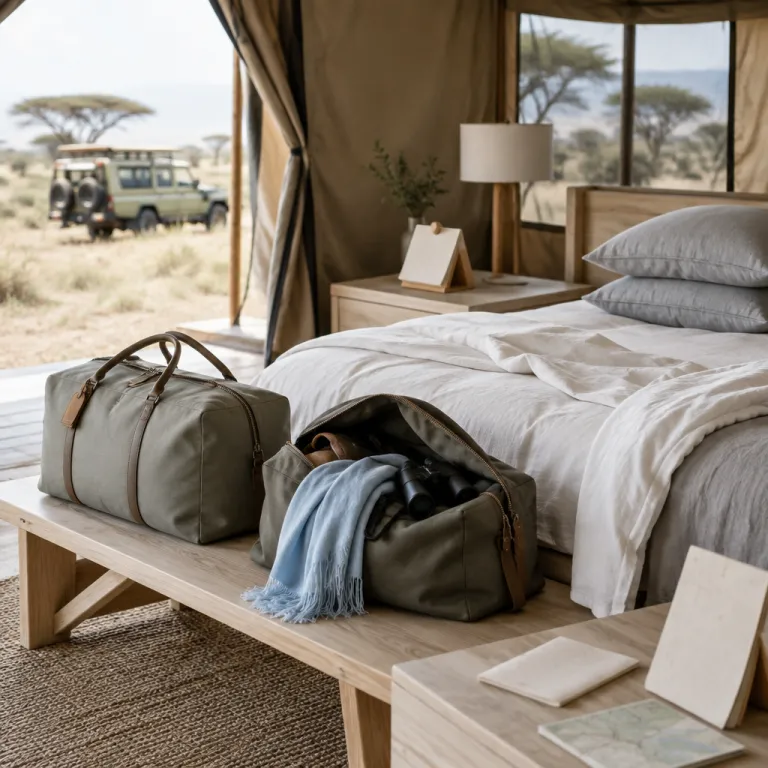
Why advance timing matters when you book a luxury safari
Luxury safaris in Africa run on a different clock than city breaks. High-end lodges and remote tented camps have very few suites, so availability vanishes months in advance when the best guides and vehicles are in play. If you want a romantic African safari with privacy, serious wildlife viewing and polished service, timing your booking is as important as choosing the destination.
For classic peak season in safari Africa, most specialist tour operators and lodge groups now advise that you book nine to twelve months in advance for the most desirable camps and lodges. This mirrors guidance published by leading operators such as Wilderness (2023 booking trends report) and Asilia Africa (2022–2024 migration planning notes), which consistently echo this “book 9–12 months ahead for peak season” rhythm. When you are trying to plan African trips around school holidays or limited vacation time, that months-in-advance window often stretches to twelve to eighteen months for the most requested suites.
Ultra-premium camps and lodges in Kenya, Tanzania and Botswana illustrate why an advance booking strategy matters. A flagship property positioned on a private conservancy in Laikipia, or an intimate Singita or andBeyond camp with only a handful of tents, can sell out for prime time well before casual travelers start planning. For example, Singita Sasakwa Lodge in the Grumeti Reserve was fully committed for July 2023 by September 2022, and andBeyond Nxabega in the Okavango Delta reported no availability for late August 2022 by the previous October. When you approach luxury safari advance timing with intent, you secure not just a bed but the best time with top guides, prime vehicle seats and the exact travel dates that fit your trip.
Peak season, dry season and the real best time to go
Every African region has its own best time to travel, and that shapes how far in advance you should book. In East Africa, the Great Migration in the Serengeti and Maasai Mara defines peak season, while in southern Africa the dry season concentrates game along rivers and waterholes. Your detailed planning decisions about when to travel will change both the price and the feel of your safaris.
For the Great Migration window, safari specialists usually recommend that couples start planning twelve to eighteen months in advance if they want a front-row view at intimate migration camps. Aggregated booking data shared by several migration-focused operators between 2019 and 2024 underlines that peak season advance booking should start around nine months, but in practice the most coveted migration camps and mobile tented lodges often fill even earlier. If you are flexible on travel dates or happy with a second-row view of the herds, you can sometimes book six to nine months ahead and still secure strong options.
Southern Africa works differently, and this is where the South Africa advantage appears for many travelers. Because there is more inventory and rates are Rand denominated, you can often book a dry season safari in South Africa four to nine months in advance without compromising on quality. To understand how concession rules and land use shape your experience and value in each season, read our guide on what a safari concession really means before you lock in your booking.
How far in advance to book by region, price point and style
Once you know your preferred season, you can match your booking timing to your style of safari. For ultra-luxury African safari camps charging several thousand dollars per night, the safest strategy is to start planning at least twelve months in advance, especially for private vehicles and honeymoon suites. Mid-range luxury lodges with more rooms, particularly in South Africa, often remain available closer to your travel dates, which gives you more flexibility.
In East Africa during the Great Migration, think of time of year in three bands that shape your booking rhythm. Prime river crossing weeks in July and August, or calving season in the southern Serengeti, require the earliest booking, while shoulder-season months on either side sometimes reward those who wait for late cancellations. Our internal calendar aligns with external reporting that peak migration camps are now adjusting their pricing and minimum stays to manage this demand, as explored in our analysis of what the great migration camps are doing differently in peak season.
To make this more practical, use a simple lead-time checklist: East Africa migration hotspots and Botswana’s Okavango Delta in peak dry season—aim for 12–18 months; high-end private reserves in South Africa and Zambia’s prime walking camps—plan 9–12 months; broader Kruger, Madikwe and Namibia’s classic routes—often 4–9 months is enough; and green season or shoulder months across southern Africa—look 3–6 months ahead. Green season in southern Africa tells a different story for couples watching value. Properties that charge peak season rates above two thousand dollars per person per night often release compelling offers three to six months in advance for the lush, storm-lit months. If you plan your luxury safari advance timing for this period, you can secure the same guides, the same camps and often a more relaxed view of wildlife at a significantly lower overall trip cost.
When last-minute safari deals actually work
Last-minute safari offers are real, but they reward the right kind of traveler. If you can move travel dates by a few days, accept different camps within the same reserve and fly on less popular days, you can use late safari deals to upgrade your experience rather than downgrade it. The key is understanding which destinations and seasons genuinely support last-minute booking without sacrificing the essence of your trip.
Our dataset notes that “Monitor for last-minute deals 4–6 weeks prior” and that “When do last-minute safari deals become available? Typically 4–6 weeks before departure.” This reflects patterns reported by several major safari operators, where unsold inventory is reviewed once final balances are due. In practice, cancellations spike six to eight weeks before travel dates as final payments fall due, which is when waitlists begin to move. A 2022 internal review of partner lodges in South Africa’s Sabi Sand and Namibia’s private reserves, for example, showed that more than 60% of late openings appeared between 30 and 45 days before arrival. That is also when “Are last-minute safari deals reliable? Yes, but options may be limited.” becomes your reality, because you are choosing from what is left rather than the full range of options.
South Africa, Namibia and some private reserves in Zambia are usually the most forgiving for a late-booking strategy. There is more capacity, more flight frequency and a wider spread of camps and lodges at different price points, so a travel writer or safari expert can often stitch together a strong itinerary at short notice. In contrast, small island concessions in the Okavango Delta or remote walking camps in Zambia rarely reward last-minute approaches, because their limited tents and specialist guides are booked long before any late offers appear.
Direct booking, safari specialists and loyalty points
How you book can matter almost as much as when you book. Direct booking with lodges gives you a clean line of communication, but it rarely guarantees the best rate or the most flexible terms. Specialist safari Africa agents and curated platforms often access contracted rates, value adds and softer cancellation policies that are not visible on public booking engines.
For complex African itineraries that cross borders and mix camps, safari specialists earn their keep through deep knowledge of flight schedules, transfer times and seasonal wildlife movements. They can advise on the best time of year to combine a dry season walking camp in Zambia with a green season photographic safari in Botswana, or how many months in advance you really need for a specific private reserve. When you plan luxury safari advance timing through a trusted expert, you also gain a buffer if airlines change schedules or weather disrupts bush airstrips.
Loyalty programs and points-based bookings add another layer to your planning. Using points for a flagship lodge in Africa can be extraordinary value, but those rooms are often capacity controlled and snapped up far in advance by frequent travelers. In 2023, for instance, points-based suites at several well-known safari-branded properties in South Africa’s greater Kruger region were fully allocated for September by early January. Before you commit to any offer, read our guide on evaluating safari lodge conservation claims so that your booking supports credible Africa-focused conservation initiatives rather than marketing only.
Risk, flexibility and how to protect your safari investment
Booking a high-end safari months in advance means committing serious money long before you travel. Post-pandemic, many camps and lodges have shifted to more flexible policies, with free cancellation often available up to thirty to sixty days before arrival. That flexibility makes it easier to start planning early without feeling locked into every detail.
Dynamic pricing models now used by many African lodges reward those who book early for peak season and those who are nimble for late space. Rates tend to rise as availability tightens, especially for small camps with strong reputations and repeat guests. If you wait for a theoretical last-minute discount at a truly exceptional camp, you are more likely to find no space than a bargain, which is why advance booking strategies remain the safest path for once-in-a-lifetime trips.
Think of your safari booking as a portfolio of decisions about time, risk and value. Lock in the irreplaceable elements of your trip well in advance, such as a specific guide, a private vehicle or a rare camp, then leave some nights open for opportunities closer to departure. For example, one couple who travelled in August booked their core six-night stay at a small private reserve camp in South Africa eleven months ahead, then used a late three-night opening at a nearby lodge—released five weeks before arrival—to add a photographic extension without changing flights. By balancing advance commitments with targeted use of last-minute space, you can shape a safari that feels both carefully curated and pleasantly spontaneous.
FAQ
How far in advance should I book a luxury safari for peak season ?
For peak season in most African safari regions, you should plan to book nine to twelve months in advance, and up to eighteen months for the most sought-after migration or dry season camps. This timing reflects both aggregated booking data from 2019–2024 and guidance from major safari operators, and it secures the best guides, room categories and flight connections. Couples with fixed school holiday windows should lean toward the earlier end of that range.
When do last-minute safari deals usually appear ?
Most reliable last-minute safari deals appear four to six weeks before departure, when final payments are due and cancellations surface. At that point, lodges and camps may release unsold inventory at more flexible rates, a pattern also reported by several large safari agencies. You will have fewer options, but you can sometimes upgrade to a higher-tier property for the same budget.
Are last-minute luxury safari deals a good idea for a honeymoon ?
For honeymoons or milestone trips, last-minute booking is usually too risky unless you are extremely flexible on destination and dates. The most romantic suites and private camps and lodges are often sold out many months in advance, especially in peak season. A better strategy is to book the core safari early, then use any late offers to add extra nights or a city stay.
Is South Africa easier to book at short notice than East Africa ?
South Africa generally offers shorter lead times because it has more lodges, better air access and Rand-based pricing that spreads demand. You can often secure excellent dry season availability three to six months in advance, and sometimes even closer. East Africa’s Great Migration hotspots, by contrast, usually require much earlier planning.
Should I book direct with lodges or use a safari specialist ?
Using an experienced safari specialist or trusted agency is usually the best option for complex itineraries, multi-country trips or first-time visitors. Specialists often access better value, more flexible terms and nuanced advice on the best time of year to visit each area, supported by their own booking statistics. Direct booking can work for simple stays, but you will need to manage all logistics and risk yourself.