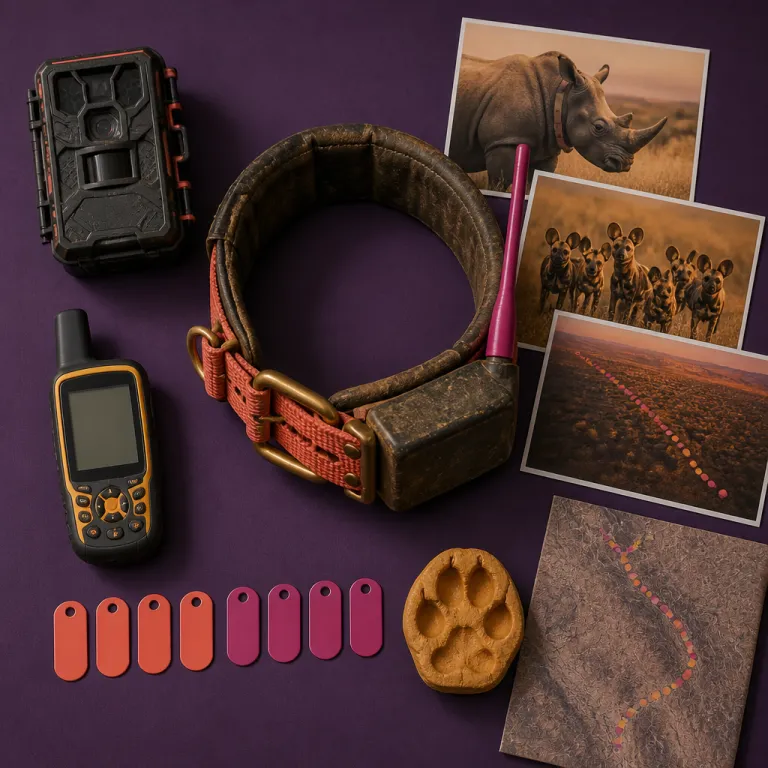
From passive game drives to a regenerative safari conservation experience Africa
Luxury safaris are shifting from passive viewing to a genuinely regenerative safari conservation experience Africa that asks more of you than choosing a sundowner. At the top lodges in southern Africa and across wider Africa, guests now step into active wildlife conservation projects where collaring a rhino or counting wild dogs becomes as central as the wine pairing at dinner. This is not volunteering in the traditional sense, but a curated blend of safari, science and impact that changes how you remember every trip.
What distinguishes this new conservation experience from classic eco labels is participation, not just carbon offsets or recycled glass in your accommodation. At places like Marataba Luxury Lodges in South Africa, the signature Rhino Conservation Experience invites a small group of volunteers in the making to join veterinarians and rangers as they fit tracking collars, monitor vital signs and record data on endangered species. The same regenerative safari conservation experience Africa ethos runs through Elewana Lewa Safari Camp in Kenya, where carefully controlled rhino notching operations turn a once abstract conservation project into a visceral, dust in your eyes morning in the field.
For a solo traveler from the United States or Europe, this model rewires what a safari lodge stay can be. You still have the classic safari game drive through a private game reserve or bordering a national park, but your day might start with a helicopter view over a greater Kruger landscape to locate a collared animal, then end with camera trap image review in camp. The animals are no longer anonymous wildlife; they are individuals whose movements, health and survival you have helped document during your own conservation experience in Africa.
Where guests join the work: rhino, wild dogs and beyond
Across South Africa and southern Africa, a handful of serious operators now structure their entire guest journey around a regenerative safari conservation experience Africa rather than bolt on a token activity. Marataba Luxury Lodges, working with Marakele National Park, runs rhino collaring operations where a limited number of guests can pay a premium conservation fee to join the helicopter team, assist with cooling the animal and help record biometric data. At Thanda Safari in KwaZulu Natal, AI enabled collars on rhino and other species turn every game drive into a live wildlife conservation briefing, with guides pulling up movement patterns and poaching risk maps as you track the animals on the ground.
In the greater Kruger region, Laluka Safari Lodge collaborates with Welgevonden Game Reserve on wildlife interventions that might include immobilising an injured giraffe or relocating a problem predator, always under strict veterinary control. These are not staged shows for volunteers; they are real time responses to conservation needs where guest participation is carefully managed so the conservation project remains the priority. Imvelo Safari Lodges in Zimbabwe’s Hwange area offers tourist rhino experiences linked to the Hwange Community Rhino Initiative, while Elewana Lewa Safari Camp integrates guests into rhino notching and monitoring within the Lewa Wildlife Conservancy, one of Africa’s most respected models for long term species protection.
Beyond rhino, some properties invite you to help count African wild dogs at den sites, log lion spoor along sandy tracks or identify birds from camera trap images during quiet hours in camp. In southern Africa’s green season, when rates drop and vehicles thin out, these conservation efforts can be especially rewarding because guides have more time to slow down and teach, making it an ideal window if you are planning a green season conservation focused safari. Whether you are in South Africa, Zimbabwe or further north near Victoria Falls, the pattern is the same; the best safari lodge teams treat you as a temporary member of the conservation south field équipe, not a spectator.
The funding equation and how to judge real impact
Behind the romance of a regenerative safari conservation experience Africa sits a hard financial truth; collaring a rhino, flying a helicopter and paying a full time ranger force is expensive, and guest participation helps close that gap. Lodges like Marataba Luxury Lodges, Thanda Safari and Imvelo Safari Lodges channel conservation experience fees directly into veterinary costs, tracking collars, fuel and salaries, reducing reliance on unpredictable grants or donations. Research from major travel bodies shows that a clear majority of global travelers now seek sustainable travel experiences, and this demand is quietly reshaping how conservation projects are funded across Africa.
For you as a traveler, the key is separating marketing gloss from measurable conservation efforts before you book your safari lodge. Look for transparent metrics such as hectares of habitat restored, number of rangers supported per guest night, or species monitored through your stay, and then cross check those claims against independent conservation partners like national park authorities or established NGOs. A useful framework is to ask how your specific trip, not just the lodge in general, contributes to wildlife conservation outcomes, whether that is funding a conservation volunteer ranger post in greater Kruger or underwriting a sea turtle monitoring patrol along the coast near Cape Town.
If a property cannot show clear data, be cautious, no matter how poetic the brochure language about Africa and animals may sound. For deeper due diligence, resources like the guide on how to assess a lodge’s conservation claims can help you interrogate impact statements before you commit to a long term relationship with a particular camp. The most credible operators welcome these questions because they see every informed guest as another ally in a continent wide conservation project that must outlast any single trip.
Science, data and the role of short term volunteers
One of the sharpest debates around a regenerative safari conservation experience Africa concerns scientific rigor; can short term volunteers and paying guests really help, or do they risk muddying the data. Conservation biologists in South Africa and beyond are clear that collar deployments, rhino notching and wildlife interventions must be led by qualified professionals, with guests assisting only in tightly defined roles. That is why serious lodges work hand in glove with entities like Marakele National Park, Welgevonden Game Reserve and Lewa Wildlife Conservancy, ensuring that every conservation project is designed for science first and guest experience second.
When managed well, guest involvement can dramatically increase the volume of usable wildlife conservation data without compromising quality. Camera trap image sorting sessions in camp, for example, allow volunteers and casual visitors to tag species, behaviours and time stamps under ranger supervision, freeing up researchers for more complex analysis. On walking safaris, guides may train you to record spoor, dung and track locations on a tablet, turning a standard safari walk into a structured conservation experience that feeds into long term monitoring of species from rhino to African wild dogs.
To keep standards high, lodges often limit the number of volunteers per operation and require pre briefings on animal welfare, safety and data protocols. They also distinguish clearly between immersive but low risk activities, such as den monitoring or bird ringing, and high risk interventions like darting large animals, where your role is strictly observational. As one operator FAQ puts it with welcome clarity, “How can guests participate in conservation activities? By joining programs like rhino collaring and notching.”
How to choose your conservation focused safari lodge
Choosing the right base for a regenerative safari conservation experience Africa starts with geography, because different regions offer very different conservation stories. In greater Kruger and other parts of South Africa, you will find a strong focus on rhino, big cat and wild dog monitoring, often linked to private game reserve models that border the Kruger National Park or other state protected areas. Around Victoria Falls and Hwange, the narrative leans towards elephant corridors, community conservancies and waterhole management, while coastal hubs like Cape Town may pair a classic safari trip with marine or sea turtle conservation south projects.
Next, interrogate the structure of guest participation and how it fits your travel style, especially if you are a solo explorer. Some safari lodge operations offer fixed date conservation experience departures where a small group of volunteers spends several days focused almost entirely on fieldwork, with game drives and camp time woven around the project. Others keep the core of the day as a traditional safari, then layer in optional conservation activities such as pack counts, habitat restoration planting or data sessions, which can be ideal if you are travelling with friends or a partner who prefers a lighter touch.
Finally, consider how remote you want to go and how that shapes both your view and your impact. Ultra remote concessions in southern Africa or the Congo Basin, such as those featured in specialist round ups of rare wilderness safari lodges, may offer fewer daily interventions but contribute to vast landscape level conservation efforts. More accessible camps near major hubs like Johannesburg or Cape Town can make logistics easier if you are flying in from the United States for a shorter trip, while still delivering meaningful contact with Africa’s animals and the local teams who protect them.
The emotional return on getting your hands dusty
Ask travelers who have joined a regenerative safari conservation experience Africa what they remember most, and the answer is rarely the thread count or the plunge pool. It is the morning they knelt beside a sedated rhino, feeling the heat of its breath while a veterinarian explained the stakes of wildlife conservation in South Africa, or the dusk walk when a tracker showed them how to read the sand and confirm that an African wild dog pack had safely returned to its den. These moments of proximity, responsibility and shared risk create a different category of safari memory, one that lingers long after the last game drive.
There is also a quieter emotional arc that unfolds over the course of a trip when you move from passive guest to temporary conservation volunteer. On day one, you might feel like an outsider in camp, unsure of the scientific language or the rhythms of ranger life, but by day three you are helping log species sightings, checking collar signals and swapping field stories with local guides over dinner. For many solo travelers from the United States or Europe, this sense of belonging to a small, purpose driven équipe is as valuable as any wildlife sighting, especially when travelling far from home across Africa.
Crucially, the best lodges never let the conservation project overshadow the animals themselves; they use your involvement to deepen, not distract from, the simple joy of watching a herd of elephants cross a river or a lion pride wake at dusk. You still have time to sit on your deck, take in the view and feel the scale of southern Africa’s landscapes, knowing that your presence in this particular safari lodge has nudged the balance, however slightly, towards a future where those species still roam. That is the quiet power of this new generation of conservation efforts, and why more travelers are choosing to collar a rhino or count a pack instead of just ticking off the Big Five.
FAQ
How can guests safely take part in conservation activities during a safari
Guest participation is always structured around expert led operations, with veterinarians, rangers and trained guides controlling every step. Activities such as rhino collaring, notching or wildlife interventions are carefully briefed in advance, and your role is limited to tasks that do not compromise animal welfare or safety. Lodges working with partners like Marakele National Park or Lewa Wildlife Conservancy follow strict protocols so that your conservation experience supports, rather than disrupts, the project.
Do conservation focused safari experiences cost more than a standard safari trip
In most cases, yes, because you are helping to fund expensive field operations such as helicopter time, veterinary drugs and tracking equipment. Many lodges add a dedicated conservation levy or charge a separate fee for high impact activities like rhino collaring, with those funds ring fenced for wildlife conservation. When comparing options, ask for a clear breakdown of how your payment supports specific conservation efforts, from ranger salaries to long term monitoring of key species.
Are these conservation experiences suitable for first time safari travelers
They can be, especially if you choose a lodge that balances hands on conservation with classic game drives and plenty of time to simply enjoy the animals. First timers often find that a regenerative safari conservation experience Africa gives their trip more context, turning each sighting into part of a larger story about habitat, species and local communities. If you are unsure, look for properties that offer optional conservation activities so you can dial the intensity up or down once you are in camp.
What kinds of conservation projects can guests expect to join across Africa
Depending on the region, you might assist with rhino collaring, wild dog pack counts, bird ringing, habitat restoration or camera trap data analysis. In South Africa and greater Kruger, rhino and predator monitoring dominate, while areas near Victoria Falls or Hwange focus more on elephant movements and waterhole management. Coastal extensions near Cape Town sometimes add marine elements such as sea turtle monitoring, giving you a broader view of conservation south of the Sahara.
How do I know if a lodge’s conservation claims are credible
Look for specific, verifiable metrics such as the number of rangers funded, hectares protected or species monitored per guest night, and ask which national park authorities or NGOs they partner with. Reputable lodges are transparent about their conservation projects and happy to share reports or independent audits. If the language stays vague and no hard data is available, consider choosing another safari lodge where your conservation volunteer style participation will clearly translate into measurable impact.