Section 1 – Why luxury safari travelers must plan to keep travel money safe on safari
High end safari travel in Africa combines remote wilderness with refined comfort. That contrast makes it essential to think about how you will keep travel money safe on safari, because you move between secure lodges and tented camps and busy transit hubs. Serious travelers know that when you manage card payments, cash reserves, and local currency intelligently, you protect both your budget and your sense of ease.
Safari travel usually follows a clear timeline from planning, to international travel abroad, to immersive safari tours with daily game drives, then the return journey through cities such as Cape Town or Nairobi. At each stage, the way you carry money, use your bank card, and rely on an app or concierge service changes, so your strategy for safe travels must adapt as well. Luxury guests expect the best guidance, so a professional safari guide or tour operator should brief you on practical travel tips about cash, credit cards, and security before you even leave home.
Most premium lodges and camps in southern and eastern Africa are cash light environments, yet you still need some amounts of cash for tips, markets, and border posts. The current trend toward digital payments on African safari itineraries means your bank card and mobile app become central tools, but they also introduce new risks if you do not manage them carefully. When you understand how to balance card use, bring cash in the right denominations, and keep money discreetly stored, you can enjoy every Kenya safari or Botswana safari moment without financial anxiety.
Section 2 – Choosing the best mix of card, cash, and local currency for African safari itineraries
Before you fly to Africa, decide how much money to allocate between your primary card, a backup card, and physical cash. For most luxury African safari trips, it is a good idea to carry at least two different credit cards from separate banks, because a single bank fraud block can otherwise disrupt your safari travel. You should also plan specific amounts of cash in major currencies plus some local currency for each country, especially if your route includes both a Kenya safari and a Botswana safari with multiple border crossings.
In cities such as Cape Town, Johannesburg, Nairobi, and near Victoria Falls, high end lodges and camps, restaurants, and shops usually accept international credit cards. Once you head deeper into safari tours and remote game drives, card terminals may be offline or absent, so your ability to keep money accessible in cash becomes more important. When you review any detailed cost breakdown for a luxury safari, such as a specialist guide to how much a luxury safari really costs, you will notice that park fees, conservation levies, and gratuities sometimes require cash or specific local currency.
Ask your bank about foreign transaction fees and dynamic currency conversion before you travel abroad, because these hidden costs can erode your budget over time. Many travelers now use a dedicated travel money app linked to a multi currency card, such as Wise, Revolut, or a bank issued Visa or Mastercard travel card, which allows you to preload funds, lock in exchange rates, and freeze the card instantly if needed for safe travels. Whatever tools you choose, spread your risk by separating cards and cash between your luggage, daypack, and room safe, so that losing one wallet never means losing all your money.
Section 3 – On the ground in South Africa, Kenya, Botswana, and beyond : practical top tips to keep money safe
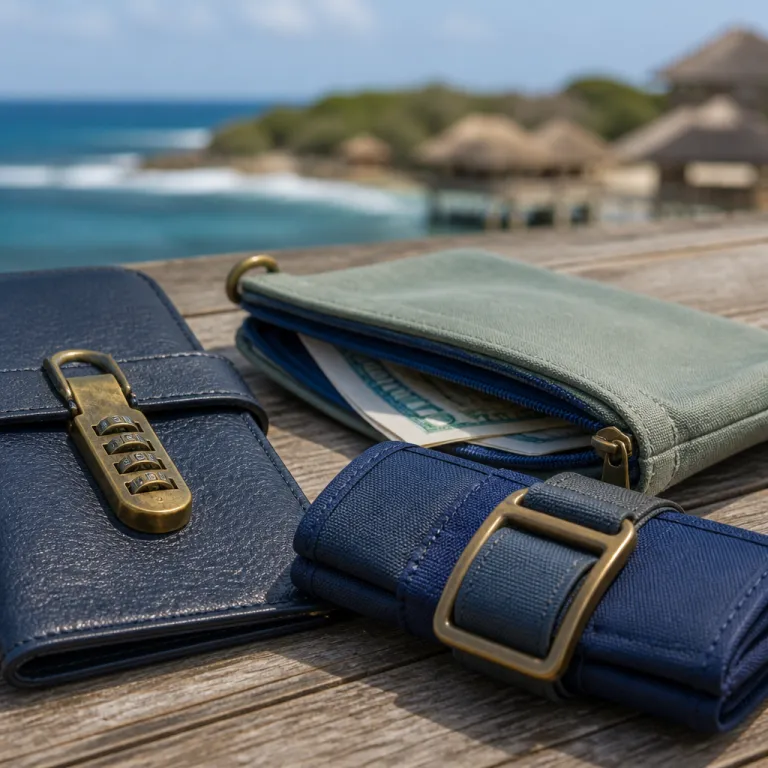
Once you land in South Africa or Kenya, your first priority is to move through airports and city hotels with your travel money safe on safari firmly in mind. Use money belts under clothing for passports and backup cards, and keep only small amounts of cash in an easily accessible wallet for taxis and tips. When you need to bring cash in larger sums, transfer it discreetly from your belt or hidden pouch in private, never in crowded terminals.
At ATMs in Cape Town, Johannesburg, Nairobi, or near Victoria Falls, be cautious and avoid isolated machines late at night. Follow a simple checklist: choose an ATM attached to a bank branch or inside a mall, inspect the card slot and keypad for loose parts, shield your PIN, cancel the transaction if anyone stands too close, and take the receipt with you. Many safari operators echo similar guidance for safe travels on every African safari stage, emphasizing practical habits such as using money belts, avoiding large visible cash amounts, and storing valuables in safes. Responsible safari travel increasingly aligns with eco tourism and community conservation, as shown by initiatives such as Namibia’s long term funding to protect community conservancies, and that same thoughtful mindset should extend to how you handle money and support local economies.
When you check into lodges and camps, ask the front desk or your safari guide about the safest place to keep money, passports, and electronics. Many high end properties offer secure room safes and central management safes, and the best practice is to store original documents and excess amounts of cash there while carrying only photocopies and a single card during game drives. One Kenya safari guide summed it up simply for a guest who kept misplacing wallets: “Bring what you need for the next few hours, and let the safe look after the rest.” This approach allows you to enjoy the African bush, from a sunrise Kenya safari to a sunset Botswana safari cruise, knowing that your financial essentials remain safe in camp.
Section 4 – Digital security : using apps, banks, and customer support wisely on safari
Digital tools can make it far easier to keep travel money safe on safari, but only when you set them up correctly before departure. Start by installing your bank app on at least two devices, such as your phone and a tablet, and enable biometric login for quick yet safe access. Then activate transaction alerts, so every card payment or ATM withdrawal in Africa generates an instant notification that you can review in real time.
Contact your bank’s customer support team before you travel abroad and register your African safari itinerary, including stops in South Africa, Botswana, Kenya, or Zimbabwe for Victoria Falls. This proactive call reduces the risk of automated fraud blocks when you pay for safari tours, game drives, or lodge extras with your card, and it also confirms the best emergency number to call if your card is lost. Ask whether your bank offers a dedicated travel service line, because speaking to a specialized équipe usually speeds up card replacement and dispute resolution.
Many premium travelers now rely on a specialist travel money app that combines multi currency balances, virtual cards, and in app customer support chat. These platforms can be excellent for safe travels, yet you must still protect your login credentials, avoid public Wi Fi for sensitive transactions, and keep money limits on each virtual card to reduce exposure. When you choose a luxury safari operator or a curated collection of connoisseur level lodges, such as those highlighted in expert guides to rare wilderness camps, look for companies whose on site team can guide you through secure payment options and liaise with banks if anything goes wrong.
Section 5 – Working with safari lodges, guides, and tour operators to manage payments and tips
The most effective way to keep travel money safe on safari is to treat your lodge and tour operator as partners in financial planning. Before you confirm a booking, ask for a detailed guide to what is included in the rate and which services, such as premium drinks, spa treatments, or private game drives, must be settled locally. This clarity helps you estimate how much money, in both card payments and cash, you will need at each stage of your safari travel.
Many luxury lodges and camps in South Africa, Kenya, and Botswana allow you to charge extras to your room and settle the final bill by card, which reduces the need to carry large amounts of cash. However, tipping culture on African safari itineraries often relies on local currency, so your guide, tracker, and camp staff may prefer envelopes in rand, shillings, or pula. As a broad example, some high end operators suggest around US$10–20 per guest per day for guides and US$5–10 per guest per day for general staff, converted into local currency. Ask the management team for top tips on appropriate amounts and whether a shared staff fund exists, because this ensures your generosity reaches the right people while you still keep money usage transparent and controlled.
Tour operators and private guides can also advise on when to bring cash for park fees or border crossings, and when a card will be accepted instead. A professional service oriented équipe will usually provide written travel tips before departure, outlining where credit cards work reliably and where only local currency is practical. When you combine their on the ground expertise with your own cautious habits, you create a robust system that keeps your travel money safe on safari without sacrificing comfort or spontaneity.
Section 6 – Advanced strategies for high value travelers : layered security for money and documents
High net worth travelers booking extended African safari journeys often carry higher value items and must therefore adopt layered security for both money and documents. Start by dividing your financial tools into three tiers : everyday spending, backup reserves, and emergency funds, each with its own card and cash allocation. Everyday spending might rely on a primary card and small amounts of cash, while backup reserves stay locked in the room safe and emergency funds remain with a trusted travel companion or in a separate secure location.
Use physical and digital copies of passports, visas, and key documents, storing one set in your luggage, one in the lodge safe, and one in encrypted cloud storage accessible through your app. Keep a written list of bank and card numbers, plus international customer support contacts, in a sealed envelope, so you can still call for help if your phone is lost during game drives or transfers. For complex itineraries that combine Cape Town, Victoria Falls, and multiple remote lodges and camps, consider hiring a specialist concierge service whose team can coordinate with banks, airlines, and safari operators if any financial issue arises.
Finally, remember that trends in safari travel now emphasize both eco friendly practices and community benefit, so the way you spend money matters as much as how you keep money safe. Using your card or local currency to support conservation levies, community owned camps, and ethical tour operators strengthens the long term future of African safari destinations. When you align careful financial security with thoughtful spending, you achieve truly safe travels in every sense, protecting both your own interests and the wild places you came to experience.
Key statistics about money safety and safari travel
- Europol has reported around 400 000 tourist theft incidents per year in Europe, a reminder that crowded transit hubs on the way to or from an African safari can pose higher risks than remote lodges. This figure is drawn from Europol summaries on pickpocketing and organized property crime affecting visitors, such as the “Organised Property Crime” situation reports.
- Industry reports show a steady increase in the use of digital payments for international travel, which means your bank card and travel money app now handle a larger share of safari expenses than traditional cash. Global payment networks and major banks regularly note year on year growth in contactless and card based transactions among travelers in their annual travel and payments trend publications.
- Eco tourism growth across African nations has expanded the number of lodges and camps that accept credit cards, yet many still recommend bringing local currency for tips and community visits to ensure money reaches local beneficiaries directly. Regional tourism boards and lodge groups frequently highlight this balance between card convenience and cash based community support in their visitor guidance.
- Luxury tour operators often advise guests to split their funds into at least three separate storage points, which significantly reduces the impact if one wallet or bag is lost during transfers or game drives. This guidance appears consistently in pre departure documents and client briefings from high end safari specialists and bespoke travel agencies.
FAQ about keeping travel money safe on safari
How to keep money safe on safari?
Use money belts under clothing for passports and backup cards, avoid carrying large cash amounts in public, and store valuables in room or lodge safes whenever possible. Keep photocopies of key documents in a separate bag, and use your bank app to monitor card transactions in real time. Combine these habits with guidance from your lodge team and safari guide to adapt to local conditions.
Are credit cards accepted on safari?
Credit cards are widely accepted in major African cities and many luxury lodges and camps, especially in South Africa, Kenya, and Botswana. Remote bush camps and small community projects may still prefer cash or local currency, particularly for tips and small purchases. Always carry at least one backup card and some cash in case card terminals are offline.
Should I carry my passport at all times during game drives?
It is usually safer to store your original passport in the lodge safe and carry only a photocopy or digital copy during game drives. Border crossings and some internal flights may require the original, but your guide will advise you in advance. Keeping the original document secure in camp reduces the risk of loss or theft during daily activities.
How much cash should I bring for an African safari?
The ideal amounts of cash depend on your itinerary, tipping preferences, and how often you plan to shop in local markets. Many luxury travelers bring a mix of major currencies and local currency, enough for tips, small purchases, and emergencies, while relying on cards for larger payments. As a rough illustration, some guests budget around US$300–500 in cash per person for a ten day trip, but your tour operator can provide tailored top tips based on current park fees, lodge policies, and regional norms.
Is it safe to use ATMs abroad in safari gateway cities?
Using ATMs in airports and reputable bank branches in cities such as Cape Town or Nairobi is generally safe when you stay alert. Choose machines inside secure buildings, shield your PIN, and avoid withdrawing large sums of cash at once. Always check your bank app afterward to confirm the correct amount was debited and to spot any suspicious activity quickly.