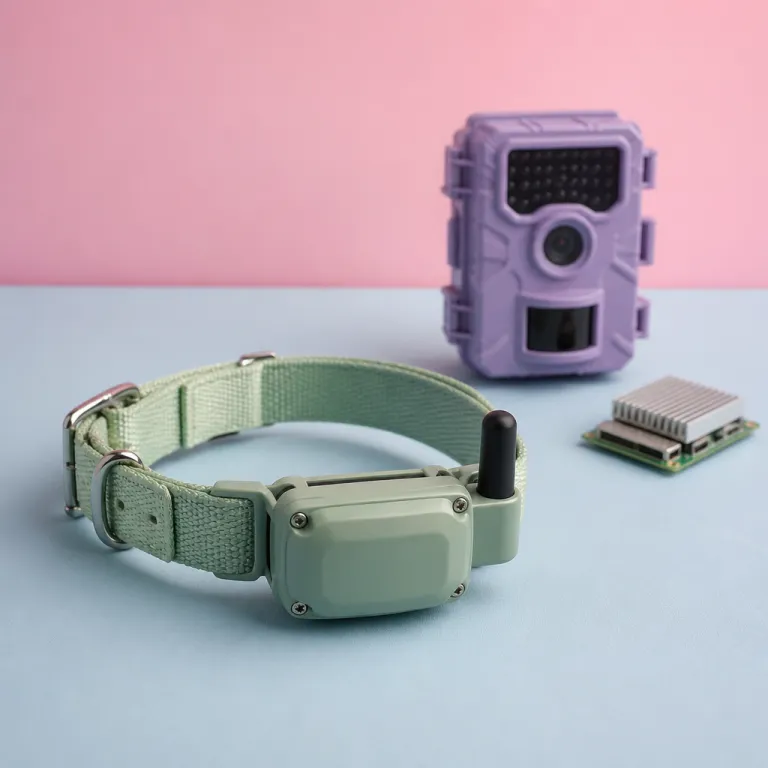
How safari wildlife tracking technology in Africa shapes your game drive
Step into a vehicle at a top African lodge and the safari feels timeless. Your guide still reads the wind, the dust, and the faintest imprint of an animal hoof in the sand. Yet behind the scenes, modern wildlife tracking systems across Africa are quietly reshaping how quickly teams can locate animals and how safely they can operate in remote reserves.
Across southern and East Africa, satellite and GPS collars on key species feed near real-time data into control rooms where digital wildlife monitoring screens glow beside old paper maps. Guides heading out from private reserves in South Africa or Botswana now start each drive with a briefing that blends classic tracking skills with fresh coordinates on elephants, lions, and even elusive wild dogs. This fusion of traditional bushcraft and digital conservation tools means your chances of spotting wildlife improve while the impact on the animals stays carefully managed.
For the luxury traveler, the technology is not about turning a safari into a video game. It is about using wildlife tracking intelligence to avoid crowding a single animal, to manage vehicle density, and to respect the rhythms of endangered species that move through vast African wild landscapes. The best lodge teams use trackers and rangers who still walk, listen, and follow animal signs on foot, but they now carry radios linked to conservation platforms that show where herds have moved in the last hour.
Inside the control room: satellite collars, EarthRanger, and lodge operations
Behind the guest decks and wine cellars, a different kind of theatre plays out in the operations room. Here, safari wildlife tracking technology in Africa converges on large screens running platforms such as EarthRanger, which integrate satellite collar data, vehicle positions, and incident reports in real time. For serious travelers comparing lodges, understanding how a property uses these tools says more about its long-term conservation commitment than any design feature.
Satellite and GPS collars fitted to elephants, rhino, lions, and sometimes cheetahs transmit locations every few minutes via satellite or cellular networks. These collars, often deployed by conservation organizations such as Wildlife ACT in partnership with reserves, allow wildlife researchers and lodge teams to monitor endangered species movements across unfenced landscapes that can exceed 400 square kilometers. When a collared rhino approaches a boundary or moves unusually fast at night, alerts trigger anti-poaching patrols and reserve management responses long before guests hear a thing.
EarthRanger and similar systems give managers in South Africa and other African countries a live overview of vehicles, aircraft, and ranger patrols across multiple reserves. This level of situational awareness means a lodge can route your vehicle away from sensitive den sites, reduce pressure on a single animal sighting, and still help you locate animals efficiently. It also underpins the shift toward electric game drive vehicles and solar-powered reserves highlighted in regional innovation reports, a trend explored in depth in analyses of how Kenya leads Africa with electric game drive vehicles and solar powered reserves.
Camera traps, AI, and the new face of wildlife monitoring
Step away from the vehicles and you enter the quiet world of camera traps. Hidden along game paths and waterholes, these small devices have become central to wildlife monitoring across Africa’s protected landscapes, especially where human access is limited. The latest generation uses AI to process millions of images, turning blurred night shots into structured data that guide wildlife conservation decisions.
Technology developers such as the Zoological Society of London’s Instant Detect program have created systems that send images and sensor alerts from remote sites via satellite in near real time. In parallel, AI service providers such as WildSentinel (an AI-driven wildlife surveillance initiative referenced in conservation tech reports rather than a long-established commercial provider) offer real-time analysis that can distinguish between a human, a vehicle, and an animal, even in low light. TrailGuard AI camera traps, developed with conservation partners, add another layer by using onboard intelligence to flag potential poaching events or unusual animal behavior before rangers or trackers even reach the scene.
Within lodge concessions, this means managers can track animal presence in dense thickets where vehicles never drive, building a fuller picture of which species use the area and at what time of night. For guests, the impact is subtle but significant, because guides can plan drives that respect shy animals while still maximizing the experience of spotting wildlife in open clearings. As one technical brief on conservation tools notes, “AI analyzes images to identify species and detect poaching activities promptly,” and this capability now plays a vital role in monitoring conservation outcomes that your stay directly supports.
From data to game drive: how guides use tracking intelligence with restraint
On the back of the vehicle, none of this technology should feel intrusive. A skilled guide in an African reserve will still stop to read tracks in the sand, explain how to track animal movements from broken grass, and let you feel the tempo of the bush. The difference is that safari wildlife tracking technology in Africa now gives that guide a strategic overview before the vehicle even leaves camp.
Many lodges in South Africa and neighboring countries start the day with a short briefing where trackers review overnight collar data and camera trap alerts. If a pride of lions has moved far to the south or a herd of elephants has crossed into a neighboring concession, the team adjusts its plan, sometimes choosing to leave those animals undisturbed. This is where responsible reserve management shows its quality, because the goal is not to chase every signal on the screen but to balance guest experience with conservation priorities.
Ethical lodges are clear that they will not share precise GPS coordinates of endangered species such as rhino with guests, and they often delay sensitive updates to reduce any risk of information leakage. Instead, they use patterns from wildlife tracking to anticipate where they might locate animals without surrounding them with vehicles. For you as a traveler, that means fewer radios crackling, more time listening to birds, and a deeper sense that your safari is part of a long-term wildlife conservation project rather than a short-term checklist.
Anti poaching, remote reserves, and the security layer you never see
While you sleep under canvas or thatch, another team is at work in the dark. Across Africa’s wildlife strongholds, anti-poaching units use the same tracking and monitoring tools that shape your game drives, but with a sharper edge. Thermal imaging drones, satellite-linked sensors, and AI-enhanced camera traps form a digital fence across remote reserves where endangered species are most at risk.
In parts of South Africa and other southern African states, drone patrols now fly pre-programmed routes over rhino hotspots, sending real-time alerts when they detect human heat signatures away from roads. These feeds integrate with platforms such as EarthRanger, where control room staff coordinate ranger teams, aircraft, and even nearby lodges to respond quickly. The objective is simple but demanding, because every minute of response time can make the difference between a successful anti-poaching interception and another loss in already depleted populations.
For luxury lodges operating in these landscapes, supporting this work is no longer optional. Many properties contribute a conservation levy per guest night that funds wildlife researchers, ranger salaries, and the maintenance of tracking devices on key animals. When you choose a lodge with a transparent conservation model, your stay helps play a vital role in sustaining the monitoring systems that protect African wild landscapes far beyond the boundaries of your chosen camp.
Guest participation, citizen science, and choosing a tech forward lodge
Guests are no longer passive observers in this technological ecosystem. Many leading lodges now run citizen science programs where guests photograph animals and upload sightings to dedicated apps that sync with wildlife monitoring databases. These images help wildlife researchers confirm individual animals, track animal health, and refine population estimates across large African reserves.
Some properties invite guests into the operations room between drives to see how safari wildlife tracking technology in Africa actually functions. You might watch a collar signal move slowly along a river, see how rangers log patrol routes, or learn how monitoring teams decide where to place the next camera trap. This level of transparency builds trust and shows that the lodge is serious about wildlife conservation rather than simply marketing the word.
When booking through a luxury and premium platform such as safarilodgestay.com, look for lodges that explain their role in wildlife tracking and reserve management as clearly as they describe their suites. You can even align your stay with loyalty strategies by using detailed guides on how to use hotel loyalty points for a safari stay, turning points into direct support for conservation projects. The most rewarding safari experience blends high service standards with a clear line of sight from your room rate to the field teams who locate animals, protect endangered species, and keep Africa’s wildlife thriving for the long term.
Balancing magic and metadata: what this means for your safari choice
There is a legitimate concern among seasoned travelers that too much technology might erode the romance of the bush. If a guide already knows roughly where a leopard is from a collar ping, does that diminish the art of tracking wildlife through silence and patience? The best African lodges answer this by treating data as a safety net, not a script.
On a well-run property in South Africa or Kenya, guides will often choose to approach an area based on wind, terrain, and animal behavior rather than driving straight to a GPS point. They may use wildlife tracking data to avoid sensitive den sites or to time an approach so that an animal is not disturbed during the heat of the day. This approach respects the animal as more than a sighting and keeps your experience rooted in the unpredictability that makes safari compelling.
As you compare lodges, ask specific questions about how they use safari wildlife tracking technology in Africa, how they support anti-poaching units, and how guests can engage with wildlife researchers without intruding on the work. Properties that answer clearly, reference partners such as Wildlife ACT, Instant Detect, or TrailGuard AI, and explain how they locate animals ethically are usually the ones where technology and wilderness play vital complementary roles. Choose those, and you will leave with both extraordinary sightings and the quiet satisfaction of having contributed to something larger than a single trip.
Key figures on wildlife tracking technology and conservation impact
- According to the IUCN African Elephant Status Report and analyses summarized by the Great Elephant Census, savanna elephant populations in parts of Africa declined by about 30% between 2007 and 2014, a drop that accelerated investment in real-time wildlife tracking and anti-poaching systems (peer-reviewed and NGO-backed conservation assessments; see for example Chase et al., 2016, PeerJ).
- Forest elephant populations in Central Africa fell by approximately 62% between 2002 and 2011, as reported in studies published in journals such as PLoS ONE (for instance Maisels et al., 2013), prompting expanded use of satellite collars and remote monitoring to track animal movements in dense habitats where traditional patrols struggle.
- Conservation technology programs in multiple African reserves now integrate satellite collars, AI camera traps, and platforms such as EarthRanger to provide continuous wildlife monitoring across areas that can exceed 1 000 square kilometers per reserve, as documented in case studies from leading conservation NGOs and technology partners.
- Collaborations between organizations such as Wildlife ACT, the Instant Detect team, and TrailGuard AI developers have created integrated systems where AI and satellite networks deliver wildlife tracking alerts to field teams in near real time, significantly reducing response times to potential poaching incidents according to internal project reports and conference presentations.
FAQ about safari wildlife tracking technology in Africa
How do satellite collars help in wildlife conservation?
They provide near real-time location data of animals, aiding in monitoring movements and detecting threats. Lodges and conservation teams use this information to protect endangered species, manage reserves more effectively, and reduce human-wildlife conflict around park boundaries.
What is the role of AI in camera traps?
AI analyzes images to identify species and detect poaching activities promptly. By filtering out empty frames and classifying animals automatically, AI allows wildlife researchers to focus on patterns in behavior, population trends, and high-risk areas that need more patrols.
Which organizations are leading in AI driven wildlife monitoring?
Organizations and initiatives like the Instant Detect program, TrailGuard AI, and WildSentinel are at the forefront of AI-driven wildlife monitoring. They work with conservation partners and African reserves to deploy systems such as satellite-linked camera traps and AI surveillance platforms that integrate with broader reserve management tools.
Does technology make safari sightings feel less authentic?
At responsible lodges, technology supports guides rather than replacing traditional tracking skills. Data helps teams avoid sensitive areas, reduce vehicle pressure on a single animal, and improve safety, while the actual experience of spotting wildlife still relies on patience, fieldcraft, and respect for the animals.
How can guests support wildlife tracking and conservation during a stay?
Guests can choose lodges that fund conservation projects, participate in citizen science by logging sightings, and contribute to organizations that maintain collars and monitoring systems. Asking clear questions about how your nightly rate supports wildlife monitoring and anti-poaching work ensures your safari has a tangible conservation impact.