Planning a first family safari in Africa in the September dry season
Planning a first family safari in Africa in the September dry season
Why September’s dry season suits a first family safari
For a first family safari in Africa, September sits in a rare sweet spot. The land is parched after months of dry weather, so wildlife concentrates around shrinking water sources and your children see more animals in fewer hours. This is where thoughtful planning for a September family safari in the African dry season quietly transforms a dream into a workable, child friendly itinerary.
Across east Africa and southern Africa, the end of the dry season is often the best time for reliable wildlife viewing. Grass is low, foliage is thin, and predators patrol the edges of rivers and pans, which makes game drives efficient for short attention spans and early bedtimes. In Tanzania’s Serengeti and Kenya’s Masai Mara, this is also when the great migration still lingers in many areas, so a single morning can deliver elephants, big cats, and vast herds in one concentrated burst of game viewing.
Families often ask about the weather and whether September is too hot for younger children. In Arusha, the safari gateway city in northern Tanzania, the average daytime temperature in September sits around 27 °C with very low rainfall, according to long term climate data from the Tanzania Meteorological Authority, which feels warm but manageable for most ages. That kind of predictable weather allows you to plan morning and late afternoon game drives, then keep the middle of the days for naps, pool time, or gentle cultural visits with local communities that partner with the lodges.
Health concerns shape any African safari with children, and the dry season helps here too. Fewer pools of standing water mean fewer mosquitoes in many national park areas, which reduces malaria risk compared with the rains, although medical advice and prophylaxis remain essential in zones like the Masai Mara or the Serengeti. Global guidance from organizations such as the WHO and CDC still recommends tailored medical consultation for these regions, and you can cross check current advice on their official travel health pages before you confirm dates. When you compare September with the earlier stretch from June to October, you still enjoy the best time for wildlife viewing, but with thinner crowds and more flexible availability at premium camps that welcome families.
Another advantage of a September safari itinerary is rhythm. Days are long enough for unhurried game drives, yet nights arrive early, so children are back in bed soon after dinner and campfire stories. Many luxury lodges now design family safaris with shorter drives, hands on bushcraft sessions with local guides, and early dinners, which keeps the focus on wildlife viewing rather than endurance.
Specialist safari operators in Tanzania and Kenya are clear about timing for families. One expert summary from a leading east Africa outfitter states, "The dry season, from June to October, offers optimal wildlife viewing." That single sentence underpins most serious family safari planning for the September dry season in Africa, whether you are looking at Kenya, Tanzania, or malaria free reserves in South Africa.
Age limits, malaria realities and choosing the right region
The detail that guidebooks often gloss over is age minimums at luxury safari lodges. Many of the best camps in east Africa and southern Africa quietly set a minimum age of 6, 8, or even 12 years for game drives in open vehicles, which can derail a carefully researched September family safari if you only check after booking flights. You need to confirm not just whether children are allowed, but whether they can join shared game drives or require a private vehicle for all safaris.
In Kenya and Tanzania, headline names like the Masai Mara and the Serengeti national park offer extraordinary wildlife, yet they sit in malaria zones. That means you must speak with a pediatric travel clinic about prophylaxis, mosquito protection, and whether your children are ready for this kind of African safari, especially if you are planning several days in the bush. Some families choose to split their time between a malaria zone for peak wildlife viewing and a malaria free reserve in South Africa, which balances risk and reward.
Malaria free areas in South Africa have become a quiet favorite for premium families. Madikwe, the Waterberg, and parts of the Eastern Cape offer big five wildlife viewing in national park style reserves without the need for malaria medication, which simplifies packing and pre travel medical checks. These southern Africa regions also tend to have more flexible child policies, with dedicated family suites, kids bush programs, and guides trained specifically for younger guests rather than simply tolerating children on adult focused safaris.
When you compare regions, think in terms of your children’s ages and stamina. East Africa, with Kenya and Tanzania, delivers the drama of the great migration, sweeping savannahs, and classic tented camps, but often involves longer travel days and stricter age rules for walking safaris or gorilla trekking extensions. Southern Africa, including South Africa, Botswana, and Namibia, offers more malaria free options, shorter internal flights between a national park and cities like Cape Town, and a higher concentration of lodges with family specific programming.
Not every property that markets itself as family friendly is truly set up for children. You want a lodge where the guide and ranger équipe genuinely enjoy young guests, where game drives can be shortened on request, and where there are structured activities between drives rather than just a pool and a colouring book. For a curated list of properties that meet this standard, look at our guide to family safari lodges with real bush credentials, which focuses on wildlife first, amenities second.
Finally, be realistic about add ons like gorilla trekking in Rwanda or Uganda. These are life changing experiences, but permits are expensive, trekking is strenuous, and minimum ages are high, so they rarely suit a first family safari September itinerary with younger children. Keep the focus on accessible game drives, gentle walking safaris where allowed, and cultural visits that bring Africa’s human stories into the same frame as its wildlife.
Camp layouts, pacing the days and managing expectations
Once you have chosen your region, the next layer of planning a September family safari in the African dry season is camp structure. Luxury lodges across southern Africa and east Africa now offer a spectrum of options, from classic tents with extra beds to multi bedroom villas with private guides and vehicles. The right choice depends less on budget alone and more on how your children sleep, how independent they are, and how much privacy the adults need after long days in the bush.
Dedicated family suites work well for most first time trips. These usually offer two bedrooms under one roof, sometimes with a shared lounge, which keeps younger children close while still giving parents a door to close after bedtime, and they often come with child friendly menus and flexible mealtimes that fit around game drives. Exclusive use villas or small camps suit multi generational groups, where grandparents join the safari and you want to control the pace of game viewing without worrying about other guests’ expectations.
Itinerary pacing is where many families go wrong. A classic mistake is trying to cram three or four different national park areas into ten days, which means constant packing, early transfers, and tired children who start to resent the very game drives you came for. A better structure is two safari bases of three or four nights each, followed by a decompression stop in Cape Town, on the Kenyan coast, or on Zanzibar, which allows everyone to process the African safari experience before flying home.
Think of your days in terms of energy, not just activities. Morning game drives usually leave around sunrise, when predators are still active and temperatures are cool, so this is prime time for serious wildlife viewing and photography, while afternoons can be shorter, more playful drives focused on giraffes, zebras, and elephants. Between drives, build in real downtime with reading, naps, and gentle pool time rather than stacking on constant cultural visits, even though those visits with local communities and conservation organizations can be some of the most meaningful parts of the trip.
Managing expectations is as important as choosing the right national park. Children used to zoos may expect lions on demand, yet real safaris involve long stretches of scanning empty plains, dust, and the possibility that the leopard never appears, which is why guides and park rangers are so valuable in turning the search itself into an adventure. Before you travel, explain that wildlife viewing is about patience and respect, not performance, and that some of the best memories come from small moments like watching elephants drink at water sources or listening to hyenas whoop after dark.
Night drives and after dark activities can be magical for older children. If your lodge offers them, read our specialist guide to night drives and predator tracking to understand what is realistic and ethical, then decide whether your family is ready for that intensity. For more complex itineraries that include multiple generations, different fitness levels, and perhaps a mix of safari and city time, our piece on planning a refined multigenerational safari in Africa offers a framework you can adapt to your own clan.
Budget clarity, logistics and the fine print guidebooks skip
Pricing for a luxury family safari in September can look opaque until you understand what is genuinely included. Most high end lodges in Africa quote an all inclusive rate that covers accommodation, meals, scheduled game drives, and often park fees, yet there are consistent exclusions that can surprise first timers. Planning a family safari in the African dry season around September needs a clear spreadsheet that separates core costs from optional extras before you commit.
Start with transport, because this is where many budgets quietly double. Charter flights between regional hubs and remote airstrips, road transfers in 4x4 vehicles, and occasional helicopter hops to places like Victoria Falls or remote corners of southern Africa are rarely included in lodge rates, and they are charged per person, including children. Conservation levies, community fees, and national park entry charges also add up over several days, so ask your safari operator to itemize these line by line.
On the ground, think about what your family will actually use. Laundry is often included at premium camps, which allows you to pack light with neutral coloured clothing and still feel polished at dinner, while spa treatments, premium wines, and private vehicles for exclusive game viewing are usually extra. If you are planning a mix of safari and city time in Cape Town or Arusha, remember that tipping norms differ between urban hotels and safari lodges, so ask your operator for guidance on appropriate amounts for guides, trackers, and camp staff.
Logistics also include health and safety details that rarely make it into glossy brochures. Before you travel, consult a specialist clinic about malaria zones, recommended vaccines, and whether your children are old enough for specific activities like walking safaris or canoe trips, and always disclose any medical conditions to your safari operator so they can brief local guides and park rangers. The dataset we work with emphasizes simple but crucial packing advice such as carrying reusable water bottles, insect repellent, sunscreen, and sturdy shoes, which sounds basic until you are three hours into a game drive under a high African sun.
Finally, remember that a family safari is not a once in a lifetime event that must include every highlight from gorilla trekking to the Okavango Delta in one sweep. Africa rewards repeat visits, and the continent’s national parks offer year round variety, from the green season birding of January to the crisp mornings of June to October, so you can plan future safaris with different emphases as your children grow. For this first September dry season journey, keep the focus tight, the pace gentle, and the budget transparent, and you will return home with both data driven confidence and the kind of shared memories that no spreadsheet can quantify.
FAQ
What is the best time to visit Africa for a first family safari ?
For most families, the best time to visit Africa for a first safari is the dry season from June to October, when vegetation is low and wildlife concentrates around water sources. September in particular offers excellent wildlife viewing with cooler temperatures and fewer mosquitoes in many regions. This timing aligns well with school calendars and allows for a mix of safari days and city or beach extensions.
Are safaris suitable for young children, and what age is realistic ?
Safaris can be suitable for young children, but you must match the destination and lodge to your child’s age and temperament. Many luxury camps set minimum ages of 6, 8, or 12 years for game drives, and some require private vehicles for families with very young guests. Always confirm age policies, child focused activities, and safety measures with your safari operator before booking, and check a sample lodge policy page so you understand how rules are applied in practice.
How many days should we plan for a first family safari in September ?
A balanced first family safari in the September dry season usually runs for 7 to 10 days, including travel time. Aim for two safari bases of three or four nights each, which gives children time to settle without constant packing and transfers. Add a city or beach stop at the end, such as Cape Town or Zanzibar, to decompress before the long flight home.
What should we pack for a family safari during the dry season ?
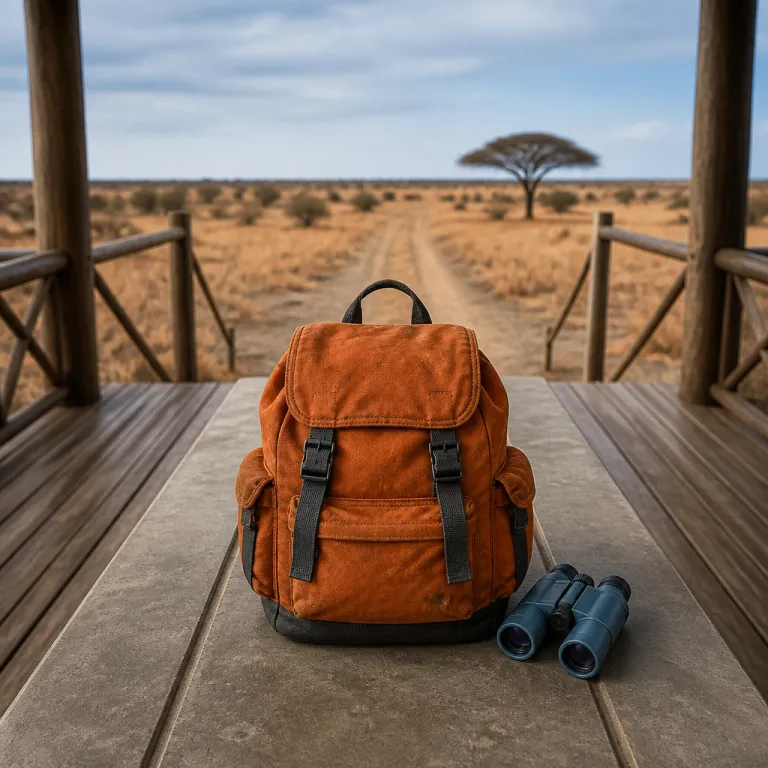
Pack light, neutral coloured clothing that layers easily for cool mornings and warm afternoons, along with sturdy shoes, hats, sunscreen, and insect repellent. Binoculars for each adult and at least one pair for the children transform game drives into active wildlife viewing rather than passive rides. Reusable water bottles are essential, as staying hydrated in the dry season is as important as any camera gear.
Is a safari in Kenya or Tanzania better than South Africa for families ?
Kenya and Tanzania offer iconic east Africa experiences such as the Masai Mara, the Serengeti, and the great migration, but they sit in malaria zones and often have stricter age limits for activities. South Africa and parts of southern Africa provide malaria free reserves, shorter internal flights, and a higher density of lodges with dedicated family suites and child specific programming. The best choice depends on your children’s ages, your comfort with malaria prophylaxis, and whether you prioritize dramatic migrations or logistical simplicity.