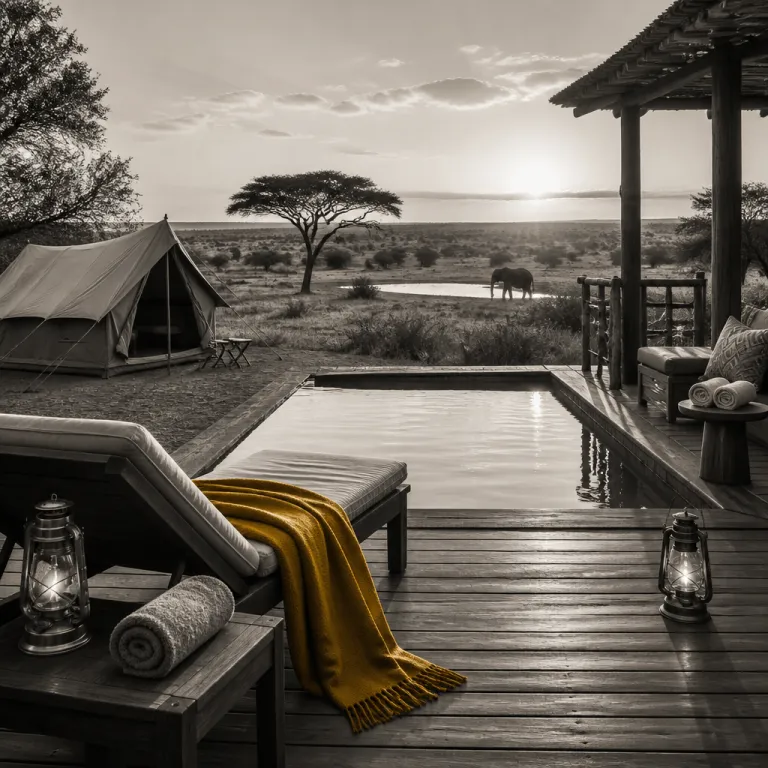
How much does an African safari cost for different travel styles ?
When travelers ask how much an African safari costs, they are usually trying to understand how prices change from budget to ultra-luxury. For a classic African safari in East Africa or Southern Africa, the average cost per person per day typically starts around 350 USD for a simple tented camp and rises to about 1 800 USD per person per day for a high-end luxury lodge with fully inclusive services. These safari prices usually cover accommodation, meals, shared game drives, and core park fees, but they rarely include international flights or premium drinks, and local taxes or conservation levies may be added separately.
Industry data from specialist operators such as The Luxury Africa, Asilia Africa, and &Beyond indicate that the average safari cost per person per night in a mid-range lodge in Kenya or Tanzania often falls between 450 and 900 USD, depending on the park and the season. At the very top end of African safari pricing, a private villa or exclusive-use camp in a prime national park can reach several thousand dollars per person per night when split between a small group, especially in iconic wildlife areas such as the Masai Mara or the Greater Kruger region in South Africa. These higher costs reflect not only the level of comfort but also the remoteness of the park, the quality of guiding, and the conservation levies built into park fees, as reported in lodge rate sheets and tourism board fee schedules.
For travelers planning their first African safari trip, it helps to think in ranges rather than a single safari price. A realistic budget for a well-run, guided African safari usually starts around 3 000 to 4 000 USD per person for a week in low season, while a comparable luxury itinerary in peak season can easily reach 10 000 USD or more per person. The key question is not only how much the trip costs, but what level of wildlife access, comfort, and exclusivity those safari expenses actually buy for each traveler, once you factor in taxes, transfers, and any additional conservation charges.
| Travel style | Typical operator example | Approx. cost per person per night* | What’s usually included |
|---|---|---|---|
| Value / lower mid-range | Local DMCs using simple tented camps near parks | 350–500 USD | Shared game drives, full-board meals, basic park fees; taxes sometimes extra |
| Classic mid-range | Brands such as Asilia Africa or Lemala in Kenya and Tanzania | 450–900 USD | Comfortable lodges, guided drives, most park fees and transfers, some drinks |
| High-end luxury | Examples include &Beyond, Singita, or similar lodge groups | 1 200–1 800+ USD | Premium lodges, drinks, private or semi-private vehicles, many activities, levies |
*Figures are indicative 2023–2024 rack-rate ranges reported by specialist safari operators and lodge groups; exact prices vary by season and specific camp, and may exclude some taxes, flights, or premium drinks.
Luxury versus mid range safari lodges in Africa
Choosing between mid-range and luxury lodges is often where the real safari budget decisions happen. A mid-range lodge in Kenya safari destinations or a Tanzania safari circuit usually offers comfortable accommodation, good guiding, and shared game drives at a cost that suits many travelers who want quality without excess. In contrast, a top-tier luxury lodge in East Africa or South Africa focuses on privacy, refined design, and personalised service, and the nightly rates per person reflect that elevated experience and the broader range of inclusions.
On a mid-range African safari, you can expect well-appointed rooms, solid wildlife viewing, and scheduled game drives in open 4x4 vehicles, with most expenses bundled into a clear per person per day rate. These safaris often use lodges inside or near a national park, where park fees and conservation charges are included in the package, keeping the overall budget predictable. For many travelers, this balance of comfort, cost, and access to wildlife makes mid-range safaris the sweet spot between basic camping and ultra-luxury, especially when transfers and park fees are clearly itemised.
At the luxury end, the question of how much an African safari costs becomes closely tied to exclusivity and time saving. High-end lodges may include private vehicles, flexible game drives, spa treatments, and even scenic flights, which push safari prices higher but also maximise each guest’s time in prime wildlife areas. For a detailed breakdown of real lodge pricing, many travelers consult independent rate roundups, such as a guide to how much a luxury safari really costs, which compare camps across Kenya, Tanzania, and South Africa in a transparent way using published rack rates and park-fee tables.
- Mid-range lodges: 450–900 USD per person per night, shared vehicles, good comfort, predictable packages.
- Luxury lodges: 1 200–1 800+ USD per person per night, high staff-to-guest ratios, more privacy and flexibility.
- Exclusive-use villas: Often priced per night for the whole property, but can exceed 2 500 USD per person per night when divided among a small group.
How destination and park choice shape your safari budget
Where you go in Africa has as much impact on safari costs as the lodge itself. A Kenya safari in the Masai Mara, for example, often commands higher park fees than some lesser-known national parks, because the wildlife density and migration viewing are exceptional. In Tanzania, the famous Northern Circuit and a classic Tanzania safari through the Serengeti and Ngorongoro Crater usually cost more per person per day than quieter southern parks, largely due to demand and logistics, as reflected in official park-fee schedules.
South Africa offers one of the widest ranges of safari options, from affordable self-drive trips in Kruger National Park to exclusive private reserves with all-inclusive luxury lodges. In these private reserves, the cost per person per night is higher, but guests benefit from off-road game drives, fewer vehicles at sightings, and a more flexible schedule. By contrast, some East African national parks have stricter rules on vehicle numbers and routes, which can keep the experience more controlled but also influence how operators structure safari pricing and what is included in the daily rate.
Travelers focused on conservation often look beyond headline prices and ask how much an African safari costs when park fees and levies are used responsibly. High park fees in places like the Masai Mara or certain Tanzania national parks can be justified when they fund anti-poaching patrols and community projects. For those comparing destinations, it is worth reading case studies such as analyses of when a 5 000 USD a night lodge threatens the migration in the Masai Mara, which show how lodge density and pricing can affect both wildlife and local communities, according to conservation NGOs and tourism board reports.
- In heavily protected reserves, park fees and conservation levies can represent 10–25 percent of total safari costs, according to figures published by lodge groups and local tourism boards.
- Remote parks with limited access often require charter flights, which can add 200–500 USD per person per leg to the overall budget.
Seasonality, low season value, and hidden safari costs
The season you choose can dramatically change how much an African safari costs without altering the core itinerary. In peak dry season, when wildlife viewing is easiest and school holidays drive demand, both mid-range and luxury lodges in East Africa and South Africa raise their rates, sometimes by 30 to 50 percent compared with low season. Travelers with flexible dates who are comfortable with some rain often find that low season offers excellent value, with fewer vehicles on game drives and lower costs per person per day.
Hidden expenses can surprise first-time safari travelers if they only look at the headline package price. International flights to Africa, especially to remote hubs serving Kenya safari or Tanzania safari circuits, can add several thousand dollars per person to the total trip budget. Other extras such as premium drinks, spa treatments, optional cultural visits, and tips for local guides and lodge staff are usually not included in the base per person per night rate, so they should be factored into the overall safari budget from the start, along with any regional flights and visa fees.
Some of the most overlooked expenses relate to park fees and special activities. Gorilla trekking permits in Central and East Africa, for example, can cost more than 700 USD per person for a single trek, which is often more than a full day of standard game drives in many national parks. When you ask how much an African safari costs, make sure your operator clearly lists park fees, conservation levies, and any surcharges for private vehicles or exclusive activities during both high and low season, and clarifies whether these amounts include government taxes.
- Typical extras to budget for: international flights, visas, vaccinations, tips, premium drinks, laundry, and optional excursions.
- Seasonal variation: low season discounts of 20–40 percent on nightly rates are common in many Kenya safari and South Africa lodges.
Private safaris, special activities, and what drives premium pricing
Once the basics of accommodation and park choice are set, the decision between shared and private services becomes the next major cost driver. A private safari vehicle with a dedicated guide allows each person to set their own pace for game drives, photography, and rest, but it can add several hundred dollars per person per day to the overall safari cost unless shared by a small group. For some travelers, especially families or serious photographers, this premium is worthwhile because it transforms a standard Africa safari into a highly personalised experience.
Special activities also influence how much an African safari costs across different regions. Gorilla trekking in countries such as Rwanda or Uganda, hot air balloon flights over the Masai Mara, or walking safaris in private concessions all carry additional fees that sit on top of the core per person per night rate. These experiences often require extra guides, permits, or safety measures, which explains why their prices are higher than regular game drives in many national parks and why operators list them as separate line items.
Travelers who care about where their money goes increasingly ask detailed questions about conservation and community impact. Many luxury lodges now publish how park fees and conservation levies are allocated, and some partner with local organisations to support anti-poaching and education projects. If you want to verify these claims before you commit your budget, it is worth reading a guide on how to tell if a safari lodge’s conservation claims hold up, then asking your chosen operator to explain exactly how much your African safari contributes per person to wildlife protection and local livelihoods.
- Private vehicle supplements can range from 400 to 900 USD per day per vehicle, according to rate sheets from high-end lodge groups.
- Balloon safaris in the Masai Mara or Serengeti often cost 450–600 USD per person, including transfers and a bush breakfast.
Planning your African safari budget with real numbers
Turning all these variables into a clear safari budget starts with defining your priorities. For a first-time Africa safari focused on Kenya or Tanzania, many travelers allocate around 7 to 10 days on the ground, which means that even modest differences in per person per night rates quickly add up. A carefully planned mid-range African safari using a mix of national park lodges and private conservancies can often keep the total cost between 4 000 and 7 000 USD per person, excluding international flights.
Luxury travelers who value privacy, fine dining, and seamless logistics should expect higher safari costs but also more inclusions. A top-tier itinerary combining a Kenya safari in the Masai Mara with a Tanzania safari in the Serengeti, staying in luxury lodges with private vehicles, can easily reach 1 500 to 2 000 USD per person per day once park fees and transfers are included. For those considering South Africa, the range is often broader, with some excellent mid-range lodges in Greater Kruger starting below 600 USD per person per night, while ultra-luxury options in private reserves can exceed 3 000 USD per person per night.
When comparing offers, ask each tour operator to break down how much an African safari costs in terms of accommodation, park fees, game drives, transfers, and guiding. Reputable Africa safari specialists will also clarify what is not included, such as visas, vaccinations, or optional activities like gorilla trekking in neighbouring countries. As one industry overview puts it, “Typically includes accommodation, meals, game drives, and park fees.”, which is a useful baseline, but your final decision should rest on how each itinerary aligns with your personal travel style, expectations of wildlife, and willingness to pay for extra comfort or exclusivity.
- Sample 8-night mid-range itinerary (Kenya & Tanzania): 2 nights in Nairobi, 3 nights in the Masai Mara, 3 nights in the Serengeti with a regional operator using camps comparable to Asilia or Lemala can total roughly 5 500–7 500 USD per person in high season, excluding international flights.
Key figures that shape African safari pricing
- Average safari cost per person per day of 350 USD reflects a well-run, lower mid-range guided trip in many African parks, based on data from specialist operators such as The Luxury Africa, and this figure usually excludes international flights.
- Luxury safari cost per person per day of around 1 800 USD is typical for high-end lodges in prime areas of Kenya, Tanzania, and South Africa, where private vehicles, premium drinks, and exclusive activities are often included in the rate.
- Park fees and conservation levies can represent 10 to 25 percent of total safari costs in heavily protected national parks, especially in the Masai Mara and key Tanzania reserves, which significantly influences how much an African safari costs overall.
- Gorilla trekking permits in Central and East Africa can exceed 700 USD per person for a single trek, making this activity one of the most expensive add-ons to a standard Africa safari itinerary focused on traditional game drives.
- Low season discounts of 20 to 40 percent on per person per night rates are common in many Kenya safari and South Africa lodges, which means that flexible travelers can reduce their total trip cost without compromising on core wildlife experiences.
FAQ about African safari costs
What is usually included in an African safari package ?
Most African safari packages include accommodation, meals, scheduled game drives, and core park fees within the quoted safari cost. Transfers between nearby lodges or airstrips are often bundled into the per person per day rate, especially on fly-in safaris in East Africa. Extras such as premium drinks, spa treatments, and some cultural visits are commonly excluded, so always ask for a detailed list of inclusions before you compare safari prices and confirm whether taxes and levies are part of the package.
When is the best season to get good value on safari ?
The best value often appears in the shoulder or low season, when lodges reduce rates but wildlife viewing can still be excellent. In Kenya and Tanzania, this might mean travelling just before or after the main dry season, when there are fewer vehicles on game drives and more flexibility on per person per night pricing. South Africa also offers attractive low season rates in some private reserves, which can significantly reduce how much an African safari costs for each traveler.
Are African safaris safe for first time travelers ?
Safaris are generally safe when organised through reputable tour operators who work with experienced local guides and established lodges. Vehicles used for game drives in national parks and private reserves are designed for wildlife viewing, and guests are briefed on safety protocols around animals and in camp. As long as you follow guide instructions and choose operators with strong track records, the main risks relate more to travel logistics and health preparation than to wildlife encounters.
How much should I budget for international flights to Africa ?
International flights to Africa vary widely in cost depending on your departure country, the season, and how early you book. For many travelers from Europe or North America, return flights to major hubs serving Kenya safari or Tanzania safari circuits often range from 800 to 2 000 USD per person. Because these flights are usually not included in safari costs, it is wise to secure them early and then shape your Africa safari itinerary around the best available fares.
How far in advance should I book a luxury safari lodge ?
Luxury lodges in high-demand areas such as the Masai Mara, the Serengeti, or private reserves in South Africa often fill up many months in advance, especially in peak season. Booking 9 to 12 months ahead gives you the best choice of rooms, per person per night rates, and access to private vehicles or special activities like gorilla trekking add-ons. Mid-range lodges sometimes have more flexibility, but early planning still helps you control how much an African safari costs by locking in favourable rates and flight options.