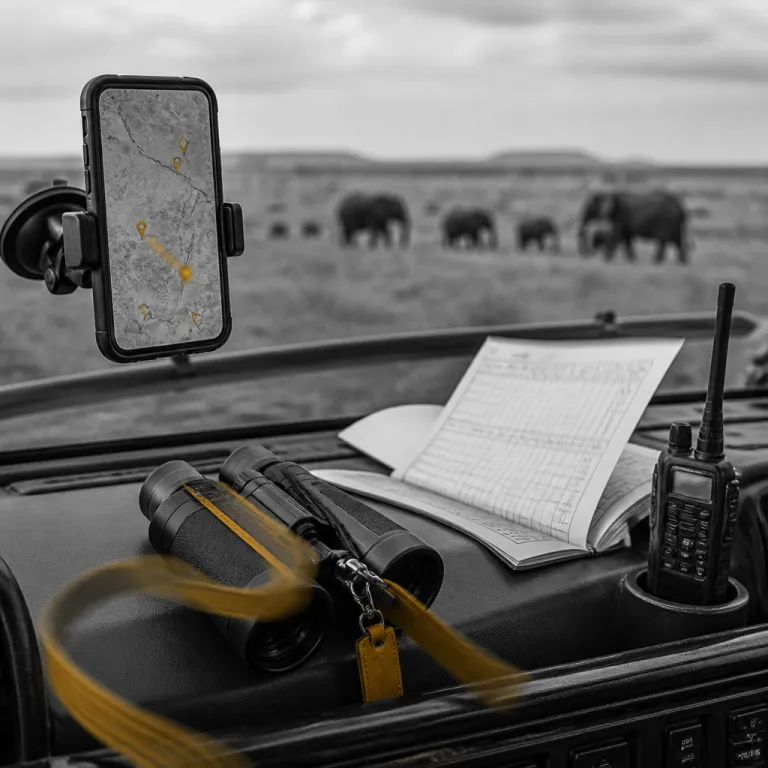
The rise of shared sighting networks on luxury safaris
On a modern African safari, your guide’s radio is no longer the only lifeline to wildlife. A new generation of real-time safari wildlife sighting apps and digital tracking tools now links guides, rangers and guests into a single community that quietly hums beneath the bush soundtrack. For families booking premium lodges, these shared networks can mean fewer empty drives and more meaningful wildlife encounters.
At their core, these systems are simple; each platform turns every participating user into both observer and contributor, logging the time, location and species of an animal as a live entry. That data is then mapped across the park or private game reserve, creating a constantly updating layer of information that sits on top of the landscape you see from the vehicle. Some services focus on a single national park, while others span multiple parks and concessions across South Africa and beyond, with well-known examples including Latest Sightings in the greater Kruger area and tools developed by the Mara Predator Conservation Programme in Kenya.
Luxury lodges in areas such as the Greater Kruger National Park now debate how tightly to integrate such technology into the guest experience. Some properties allow guests to view sightings in real time on a tablet in the vehicle, while others keep the app in the hands of the guide to preserve a sense of surprise. Either way, the best operators treat the animal tracker as a tool, not a script, using the latest updates to inform decisions without turning every game drive into a fixed chase for a single Kruger animal or a checklist of icons.
How real-time tracking changes the rhythm of a game drive
Shared sighting platforms have reshaped the choreography of a morning in the bush. Instead of driving blind toward a distant lion roar, your guide may quietly consult a live tracker feed that shows where lions crossed a road twenty minutes ago, based on data collected from other vehicles. For a premium family balancing children’s patience with long travel days, this can be the difference between a magical first safari and a frustrating one.
In South African reserves that embrace technology, guides often run both traditional radio calls and an app interface side by side. The radio carries the human nuance of a seasoned tracker describing an animal’s behaviour, while the digital layer aggregates sightings across multiple parks into a single, clean map. This hybrid approach is especially common in high-density areas of South Africa such as the Sabi Sand Game Reserve, where vehicle movements must be carefully managed to protect both wildlife and guest privacy.
Kenya and Tanzania are following similar paths, particularly in conservancies where lodges coordinate vehicle access and limit numbers per sighting to keep animal sightings calm and controlled. In the Mara, for example, many conservancies cap vehicles at three per predator sighting, a guideline echoed in parts of the Greater Kruger to reduce stress on big cats. Some of these properties are also early adopters of electric vehicles and solar-powered infrastructure, a shift explored in depth in this guide to electric game drive vehicles and solar powered reserves. For you as a guest, the practical takeaway is clear: ask your lodge how they use live wildlife tracking tools and guest-contributed sightings, and whether their practices vary between morning and afternoon drives to balance efficiency with a sense of wildness.
From guest photos to conservation data: when tourism becomes research
Behind the scenes, every pin dropped on a sightings map can become part of a far larger conservation story. When a real-time safari wildlife sighting platform is designed with researchers in mind, the light data captured on your phone or your guide’s tablet can feed into long-term studies of migration routes, predator territories and breeding success. Conservationists then analyse this information to complement more formal monitoring tools such as satellite collars and camera traps.
Some of the most interesting work now happens where citizen science apps intersect with established research projects in major national parks. In Kruger National Park, for example, structured wildlife sightings logs help scientists understand how Kruger animal populations use different habitats across seasons, especially in less visited corners of the park. Similar initiatives in other South African reserves and cross-border parks are starting to link guest-generated animal sightings with aerial surveys and remote sensing data, with projects such as Snapshot Safari and EarthRanger providing additional analytical layers.
If you are choosing between lodges, ask whether their preferred app shares anonymised data with conservation partners and how that data is stored. Many platforms now publish a clear privacy policy explaining how information collected from users is handled, how long version history is retained and whether third parties can request access. For a deeper look at how technology supports research beyond guest apps, this feature on satellite collars, camera traps and AI wildlife tracking offers useful context that complements what you will see from the back of a vehicle.
The ethics of predictability: when tech helps and when it harms
Not every guide welcomes a screen on the dashboard, and that tension matters when you are booking a high-end lodge. Some of the most respected trackers in South Africa argue that if an app always tells you where the leopard is, the guide risks becoming a narrator rather than a hunter of clues. As one senior ranger in the Sabi Sand puts it, “If we only follow dots on a map, we stop listening to what the bush is trying to tell us.” They will tell you that the real magic of an African safari lies in reading tracks, listening to alarm calls and accepting that sometimes the bush simply says no.
Other professionals take a more pragmatic view, especially in busy national parks where vehicle density is already high. For them, a well managed real-time sighting system can reduce pressure on animals by staggering arrivals and limiting the number of vehicles at a single location. Used intelligently, live feeds can help rangers close sensitive areas, protect den sites and steer traffic away from stressed individuals, particularly in smaller parks and private game reserve properties.
The ethical line is usually drawn at how aggressively a lodge chases the latest sightings and how transparently it communicates its approach to guests. Families should feel comfortable asking whether guides will ever off-road purely to reach a dot on a screen, or whether the lodge has fixed rules about viewing distances and maximum vehicles per sighting. The best operators treat privacy as much an issue for wildlife as for guests, ensuring that every animal tracker tool serves the animal first and the camera second.
Choosing the right tech-forward lodge for your family
When you scroll through a luxury booking platform, the language around technology can feel opaque. One lodge might highlight its custom app and live tracker features, while another quietly notes that it prefers an analog approach with no guest-facing screens in vehicles. Your task is to match these philosophies to your family’s temperament and your reasons for travelling.
Start by asking specific questions before you confirm your reservation, ideally via a direct email contact with the lodge or through a trusted platform such as this guide to how luxury lodge platforms are reshaping safaris. Ask whether guests can access the real-time wildlife tracking interface themselves, or whether only guides see the feed during game drives. Clarify how the lodge handles privacy policy issues, including whether guest names or room numbers are ever linked to wildlife sightings logs.
For families travelling to South Africa for a first African safari, it can be reassuring to choose a property where practices vary by drive, with one outing focused on high-probability sightings and another left deliberately open ended. Look for lodges that frame technology as a support for guide expertise rather than a replacement, and that speak clearly about how data collected from apps is shared with conservation partners. In the end, the most rewarding stays are those where the tech fades into the background and you remember the guide’s quiet hand signal more than the screen that hinted where to look.
Inside the apps: what luxury travelers should know before downloading
Before you leave home, you will likely be encouraged to download at least one safari wildlife sighting app or real-time tracking tool recommended by your lodge or tour operator. These platforms vary widely in design and intent, from simple wildlife sightings maps to sophisticated systems that integrate offline navigation, AI-assisted identification and direct messaging with rangers. Many offer a free app version with optional premium layers that unlock richer data or historical trends.
Some of the most popular tools in South Africa focus on specific regions such as the Greater Kruger area, where Kruger National Park and adjacent private reserves generate dense streams of animal sightings. In these ecosystems, a single developer or a small developer team may maintain the platform, iterating through version history updates that refine how sightings are displayed and filtered. Official FAQs often state plainly: “They use real-time data to show wildlife locations.” and “Do they work offline? Yes, many provide offline maps and data.” which is reassuring when mobile coverage fades deep inside a national park.
As with any digital product, the details matter, especially around privacy and contact channels. Look for a clearly written privacy policy, transparent explanations of how light data is stored and options to opt out of sharing precise location information if you prefer. If you ever need support, there should be an obvious email contact or in-app form, and if a platform invites you to contact Latest Sightings or a similar brand, expect that practices vary between regions and always ask how your data will be used beyond the immediate thrill of seeing a pin appear where a lion just crossed the road.
FAQ
How do safari wildlife sighting apps work during a game drive ?
Most platforms combine GPS location from your device or the guide’s tablet with time-stamped entries describing each animal sighting. These entries are then shared across a closed community of users in the same park or game reserve, creating a live map of wildlife movements. Guides interpret this information alongside tracks, sounds and their own experience to decide where to drive next.
Are these apps free to use for safari guests ?
Many safari wildlife sighting and real-time tracking tools offer a free base version that covers core features such as viewing recent sightings and basic maps. Some developers add optional paid tiers that unlock historical data, advanced filters or richer offline content for frequent travelers. Lodges sometimes include access to premium features in their nightly rate, so it is worth asking before you subscribe independently.
Do real-time tracking apps work without mobile coverage ?
Several leading platforms are designed to function with limited connectivity by using offline maps and storing sightings locally until a signal returns. You will usually see your own GPS position and previously cached wildlife sightings even when the network drops. Once the device reconnects, all new data synchronises with the wider community feed.
Is my personal data safe when I use a safari sighting app ?
Responsible developers publish a clear privacy policy that explains what data is collected, how long it is stored and whether it is shared with third parties. In most cases, wildlife sightings are anonymised and linked only to a general location and time, not to your full identity. If you are concerned, choose apps that allow you to hide your profile, limit location precision or participate only through your guide’s device.
Do these technologies reduce the sense of adventure on safari ?
Real-time tracking can make sightings more efficient, but it does not replace the unpredictability of the bush when used thoughtfully. Many top lodges instruct guides to treat the app as one input among many, not as a strict route planner. If you value serendipity, tell your guide and ask for at least one drive where the radio and the screen stay quiet unless something truly exceptional appears.