Why water defines true safari lodge sustainability
On a luxury safari, most guests use between 250 and 400 litres of water per day, a range supported by studies from the International Tourism Partnership and the UN World Tourism Organization. In semi arid African wilderness regions, that level of water consumption only works when every litre is planned with long term conservation in mind, not just guest comfort. If you care about safari lodge water conservation and genuine sustainability, you should judge a lodge less by its plunge pool and more by the invisible pipes, pumps and meters beneath your tent.
At a serious conservation focused lodge, water is treated as a finite asset that underpins wildlife, community and tourism together. The best safari lodges in South Africa, Botswana or Kenya design their capacity around water availability and conservation limits, so the number of guests is set by the water table rather than the marketing plan. This is why some of the most coveted safari lodges near a national park, such as Tswalu Kalahari in South Africa or Little Kulala in Namibia, operate with only six to eight suites, protecting both fragile ecosystems and the quality of each safari experience.
For families planning premium travel, this shift matters because sustainability is no longer a side note to the safari experience. Water management now sits alongside anti poaching patrols and rhino conservation projects as a core pillar of conservation efforts that your stay directly funds. When you choose eco conscious lodges that prioritise responsible water use and broader sustainable tourism, you help secure water, wildlife and community resilience for future generations rather than just paying for a pretty view.
Operators, local communities and environmental organisations now collaborate closely on water sourcing, purification and conservation support. Groups such as the African Wildlife Foundation, Wilderness Wildlife Trust and local conservancy boards often advise on borehole placement, abstraction limits and watershed protection. As a result, water has become the most revealing lens through which to assess whether a safari lodge is genuinely eco friendly or simply using sustainability as marketing language.
The hidden infrastructure behind your bush shower
Turn a tap in a remote safari lodge and you are activating a surprisingly complex engineering system. Beneath the sand, boreholes reach down to deep aquifers, while solar powered pumps lift water to storage tanks that quietly feed your tented suite. In many lodges across Africa, this infrastructure is designed to minimise environmental impact while still delivering a seamless luxury experience for guests.
Most serious safari operators now combine borehole extraction with rainwater harvesting to reduce pressure on fragile water tables. Storage tanks, often holding 30,000 to 100,000 litres, are sized not only for comfort but for conservation, which means lodge capacity and the number of concurrent safaris are constrained by what the land can support. This is why a property bordering a national park may cap its rooms, game drive vehicles and even pool size, aligning tourism with long term sustainability rather than short term profit.
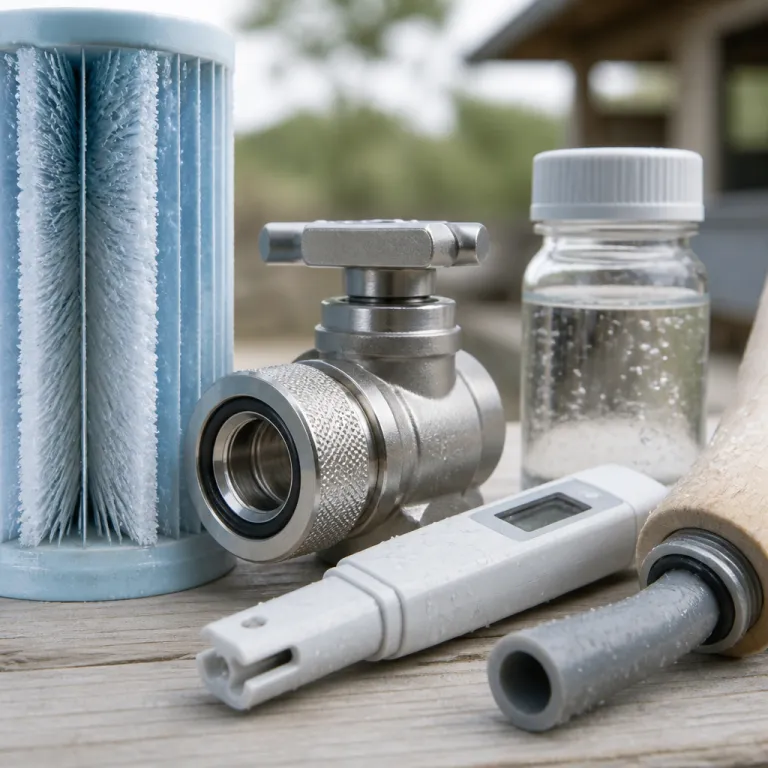
Once water is sourced, purification becomes the next critical step for both guest safety and environmental responsibility. Many safari lodges use multi stage filtration and reverse osmosis systems to produce safe drinking water, which allows them to eliminate most single use plastic bottles without compromising health standards. At Singita and &Beyond properties, for example, in house bottling plants now supply up to 90% of drinking water in reusable glass, dramatically cutting plastic waste while maintaining strict quality control.
This technical backbone supports the emotional heart of your safari experience, from the hot bush shower after a dusty game drive to the ice in your sundowner. When a lodge invests in robust, solar powered water systems, it reduces diesel use, cuts emissions and protects the local environment that sustains wildlife. For eco conscious travellers, asking how a safari lodge sources, purifies and distributes water is as important as asking about guide quality or rhino conservation initiatives.
Rainwater, greywater and the art of using every drop
In seasonal climates across Africa, rainwater harvesting has become the quiet hero of safari lodge water conservation. Roofs, shade structures and even tent flysheets are designed to channel water into storage tanks, which then support lodges through the long dry months. At some camps in Kenya’s Laikipia region and Botswana’s Okavango Delta, 30–60% of annual lodge water use now comes from captured rain, and the capacity of these tanks often dictates how many guests a lodge can host, how many game drives can run and how much fresh produce can be grown on site.
Greywater recycling is the second half of this story, turning used shower and kitchen water into a resource rather than a waste stream. After treatment through reed beds, biofilters or membrane systems, this water irrigates indigenous gardens that attract birds, butterflies and small wildlife, creating micro habitats around the lodge that subtly enrich the safari experience for families between drives. Some eco friendly properties even design walking paths through these gardens, using interpretive signage to build awareness of sustainable habits among younger guests.
For parents, this visible loop from tap to garden becomes a powerful teaching tool about responsible travel. Children see that water from their bush shower can help grow herbs, vegetables and other fresh produce that later appears on their plates, closing the circle between comfort and conservation. Choosing lodges that explain these systems openly, rather than hiding them behind the scenes, deepens your connection to the conservation community that keeps African wilderness landscapes alive.
Rainwater and greywater systems also influence when and how you might travel. Properties that manage water well often recommend the so called green season in southern Africa, when rainfall replenishes tanks, landscapes are lush and rates are often lower with fewer vehicles on each game drive. Articles on topics such as the green season in southern Africa can help you align your safari travel dates with the rhythms of water, wildlife and sustainability.
Designing luxury that feels generous, not wasteful
Water scarcity forces the most thoughtful safari lodges to rethink what luxury means in the bush. Instead of oversized bathtubs and high pressure showers, you will often find beautifully designed open air bush showers that feel indulgent while using far less water. Low flow fixtures, aerated shower heads and carefully timed geysers can cut consumption by 30–60% per guest night, according to data from hotel sustainability benchmarks, without compromising the sensory experience of washing under the stars.
In coastal regions and islands off East Africa, some eco conscious lodges now experiment with solar desalination to turn saline groundwater into potable water. Properties in Zanzibar and Mozambique, for instance, use small scale plants that can produce several thousand litres per day. This technology allows them to protect fragile freshwater lenses while still offering comfortable stays, though it requires significant investment and careful environmental monitoring. Families who value sustainable tourism should ask whether a lodge uses desalination, how brine is managed and what proportion of total water comes from rainwater, boreholes or the sea.
Inside the lodge, design choices extend to laundry, pools and landscaping, all of which shape the overall environmental footprint. Many properties now offer optional daily linen changes, salt treated plunge pools that require less frequent refilling and indigenous planting that thrives with minimal irrigation, all of which support long term conservation efforts. When a safari lodge explains these measures clearly and shares simple metrics, such as litres saved per room or percentage reduction over five years, guests can make informed decisions about their own water use without feeling lectured.
For families, the most rewarding safari experience often comes from lodges that balance comfort with conscience. You still enjoy chilled drinks, a pool for children and generous showers, but you also know that every design decision has been filtered through water conservation and broader conservation support. This alignment between environmental responsibility and guest enjoyment is what separates a truly eco friendly lodge from a property that simply talks about sustainability.
From back of house systems to guest facing conservation
The most progressive safari lodges no longer hide their water systems behind staff only doors. Instead, they invite guests into the story, using gentle interpretation to show how boreholes, solar pumps and greywater plants keep both the lodge and the surrounding wildlife alive. This transparency builds trust and turns a technical topic into a memorable part of your safari experience.
Many lodges now provide reusable water bottles on arrival, explain where the water inside comes from and outline simple ways guests can support water conservation during their stay. Families might join a short back of house tour, where children see filtration tanks, learn about anti poaching patrols that protect waterholes and hear how conservation efforts link directly to community water access. These moments create awareness of sustainable habits that often travel home with them, influencing how they think about water far beyond Africa.
Water management also intersects with broader conservation community projects, from funding boreholes for local villages to supporting rhino conservation units that protect key watersheds. Lodges in conservancies such as Mara North in Kenya or private reserves in South Africa often partner with environmental NGOs and government agencies to monitor water quality, track wildlife movements and plan land use, frequently using tools such as satellite collars and camera traps. If you are interested in the technology side of conservation support, look for resources on how technology is tracking Africa's wildlife in real time and ask lodges how their data informs water related decisions.
When you book, pay attention to how clearly a lodge communicates its role in sustainable tourism and local community partnerships. Properties that speak specifically about water, wildlife corridors, game drive density and long term land leases usually have more robust environmental strategies than those that rely on vague eco labels. For deeper context on how countries frame ethical safari travel and conservation, including water and habitat protection, you can explore analyses of how African countries shape ethical safari tourism before finalising your plans.
How to read a lodge’s water ethics before you book
Choosing a safari lodge with strong water ethics starts long before you land on the airstrip. Begin by reading the sustainability section of each lodge website carefully, looking for concrete information about water sources, treatment methods and usage reduction rather than generic eco language. If a property mentions rainwater harvesting, greywater recycling, solar powered pumps and specific targets or figures, that is usually a positive sign.
Next, examine how the lodge links water conservation to wider conservation efforts and community benefits. Serious operators will explain how their water systems reduce pressure on rivers used by wildlife, support local agriculture with shared infrastructure or fund community boreholes that improve health outcomes. This integration of environmental and social impact is what turns a comfortable lodge into a genuine conservation community hub.
Do not hesitate to email specific questions before you book, especially if you are travelling as a family and want to model eco conscious choices for your children. Ask how many litres of water the lodge uses per guest per night, whether they track reductions over time and how they involve guests in awareness building and sustainable practices during safaris. You can also enquire about any partnerships with local conservation organisations, including anti poaching units or rhino conservation teams that protect key water sources.
Finally, remember that your behaviour on safari is part of the equation. Shorter showers, reusing towels, accepting reusable bottles and supporting lodges that grow some of their own fresh produce all contribute to long term water security in African wilderness destinations. When enough guests choose lodges that prioritise careful water stewardship and measurable conservation outcomes, the market rewards operators who treat water as the scarcest resource, not an unlimited amenity.
FAQ
How do safari lodges in remote areas source their water ?
Most safari lodges rely on a combination of deep boreholes and rainwater harvesting to secure reliable water supplies in remote African wilderness regions. Boreholes tap underground aquifers, while roofs and other surfaces channel rain into storage tanks for use during dry months. This blended approach reduces pressure on any single source and supports long term conservation of local water tables.
Is tap water safe to drink at a safari lodge ?
At reputable lodges, tap or filtered water is usually safe because it passes through multi stage purification systems such as reverse osmosis and ultraviolet treatment. Many properties then serve this purified water in reusable glass bottles or refillable flasks to avoid single use plastics. If you are unsure, ask the manager directly, as serious operators are transparent about their water treatment processes and testing regimes.
How do lodges reduce water use without compromising comfort ?
Thoughtful lodges use low flow fixtures, aerated shower heads and carefully calibrated geysers to cut water consumption while maintaining strong pressure and comfortable temperatures. They may also offer optional daily linen changes, salt treated plunge pools and indigenous landscaping that needs minimal irrigation. These measures allow guests to enjoy a high level of comfort while supporting water conservation and broader conservation efforts.
What role do guests play in water conservation on safari ?
Guests influence water use through everyday choices such as shower length, towel reuse and acceptance of reusable water bottles instead of plastic. Families can also join lodge briefings, encourage children to understand where water comes from and support properties that invest in community water projects. When travellers reward eco friendly practices with their bookings, they help shift the wider tourism market toward genuine sustainability.
How does water management connect to wildlife conservation ?
Healthy water systems support the entire food web, from grasses and trees to herbivores and predators, so protecting water sources is central to wildlife conservation. Lodges that manage water carefully reduce pressure on rivers and wetlands, leaving more for animals and nearby communities, and often fund anti poaching and rhino conservation units that safeguard key watersheds. By choosing such lodges, guests directly support the ecological integrity of the landscapes they have travelled so far to experience.