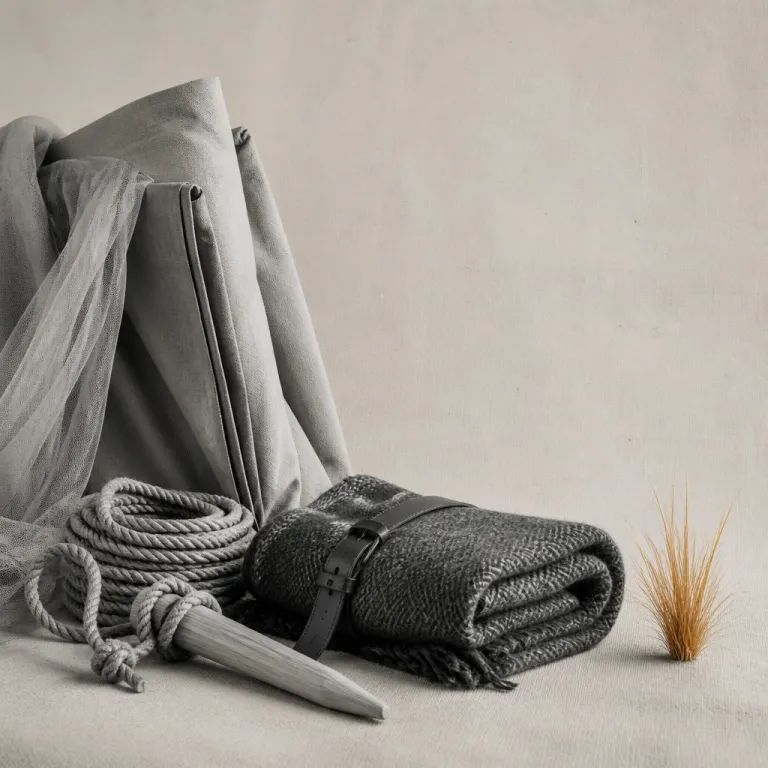
What fly camping really means for a luxury safari guest
Fly camping on a luxury safari is about leaving the main camp for one carefully curated night under canvas in a small, temporary camp. In aviation circles, “What is fly camping?” is answered as “Camping at remote sites accessed by personal aircraft,” and that original idea of flying into wild places and camping beside the plane now inspires how top lodges in Kenya and across Africa design their most exclusive wilderness sleep-outs. When you book a premium lodge, your fly camping experience is supported by professional guides, experienced drivers or pilots where relevant, and a full team on standby at the main camp to keep everything safe and seamless.
In classic aviation-led fly camping, licensed pilots fly light aircraft to remote airstrips, set up a simple camp near the plane, and then return after a night or two. Luxury safari lodges have adapted this method, usually using vehicles instead of private aircraft, yet the essence remains the same: you travel beyond the lodge, set up a minimal but comfortable camp, and enjoy the wild with almost nothing between you and the bush. For guests, this creates a camping experience that feels like ultimate freedom while still benefiting from the safety net of a fully staffed main camp and a detailed logistics plan.
Because these fly camps are temporary, they can be positioned in areas with exceptional game viewing and almost no other visitors. Your guide will choose a camp night location based on wind, wildlife movements, and proximity to a discreet bush airstrip or track, mirroring the aviation practice of checking backcountry landing conditions before committing to a site. This blend of aviation-style planning and safari guiding expertise means you can experience Africa in a way that feels raw and wild, yet is underpinned by rigorous safety checks, lightweight but high-quality camping gear, and clear evacuation routes back to the lodge or to a nearby national park airstrip.
From main camp to fly camp: how the experience unfolds
Your fly camping trip usually begins at the main camp, where you meet the guide and crew who will host your camp night in the bush. After a detailed briefing about the camping experience, you leave the lodge in a custom safari vehicle or, in some aviation-focused itineraries, you fly by light aircraft to a remote strip that allows you to experience Africa far from regular game drive circuits. The timeline mirrors classic aviation fly camping: there is a flight or long drive to the site, a careful camp setup, a night under the stars, then a return to the main camp the following morning.
In Kenya, many of the finest fly camps operate in the greater Maasai Mara ecosystem, including private conservancies such as Mara North that border the famous Maasai Mara National Reserve. Here, your guide will often position the fly camp near sand rivers or seasonal streams, where game concentrates and the night sky feels impossibly bright. Walking from the fly camp at first light, you may track lion or follow fresh elephant spoor, much like a backcountry pilot exploring from a remote airstrip after landing to camp and then departing again the next day.
Guests who enjoy walking safaris in Tanzania often combine that style of slow travel with a night or two of fly camping, creating a layered safari experience that moves from lodge comfort to bush immersion. For a deeper sense of how guides read tracks and interpret the wild on foot, many travellers pair their fly camping experiences with a specialist walking itinerary such as this detailed walking safari guide to Tanzania. Whether you are in Kenya, Tanzania, or further south in Zambia’s South Luangwa, the rhythm is similar: you leave the lodge, travel out to a remote fly camp, spend one or more nights closer to wildlife, then return to the main camp with a deeper understanding of the bush.
What luxury looks like when you spend the night under canvas
Luxury fly camping is not about chandeliers or marble bathrooms; it is about the privilege of a quiet camp night in a wild place, with just enough comfort to sleep well and feel secure. A typical fly camp in the Maasai Mara or South Luangwa uses lightweight walk-in tents with proper beds, crisp linen, and a generously sized mosquito net that allows you to see the night sky while still feeling protected. The camp team will set up a private bush bathroom with a hot bucket shower, ensuring that your camping experience feels authentic yet still aligned with the standards of a premium safari lodge.
As darkness falls, the open fire becomes the heart of the fly camp, drawing guests and guides together to share stories about the day’s game sightings and the wider world of Africa travel. Around the flames, you might hear how some pilots in North America use hundreds of recognised backcountry airstrips to fly and camp in remote areas, a reminder that aviation and camping adventures are growing globally even beyond Africa. Around the fire, your guide will also outline the safety protocol for the night, explaining how the team will watch for wildlife, manage the camp perimeter, and coordinate with the main camp by radio if needed.
For many guests, the most powerful part of fly camping is the moment you step away from the open fire and stand alone under the night sky, listening to the bush. Hyena whoop in the distance, lions call across the sand rivers, and the soft rustle of the wind reminds you how far you are from city lights and noise. One guide described it simply: “People arrive a little nervous, but by sunrise they’re already asking when they can sleep out again.” If you want to balance this raw immersion with restorative wellness, consider combining your fly camping trip with a stay at a property that offers spa treatments and relaxation, using a resource such as this guide to safari lodges with spa services to plan the perfect sequence of experiences.
Choosing where to fly camp: Kenya, Maasai Mara, and beyond
Kenya remains one of the finest destinations in Africa for a fly camping safari, thanks to its combination of rich game densities, varied landscapes, and a long tradition of mobile camping. In the Maasai Mara and Mara North conservancies, operators associated with long-established mobile outfits have refined the art of the fly camp, placing small, low-impact camps in areas where you can spend night after night with almost no other vehicles in sight. These fly camps are usually supported by a well-equipped main camp or permanent lodge, which handles logistics, supplies, and communications while you are out in the bush.
Further south, Zambia’s South Luangwa National Park offers a different style of camping experience, with fly camping often linked to multi-day walking safaris along sand rivers and oxbow lagoons. Here, you might travel between small fly camps on foot, accompanied by an armed guide and a support crew who move the camp ahead of you, creating a sense of journey that feels like complete immersion in the wild. Because South Luangwa is a national park with strict regulations, reputable operators work closely with park authorities to ensure that each fly camp leaves no trace and that all game viewing respects both wildlife and habitat.
Some itineraries also weave in scenic hot air balloon flights over the Maasai Mara or other national park landscapes, adding a different kind of fly perspective to your safari experiences. A dawn hot air balloon ride followed by a bush breakfast and then a transfer to a remote fly camp creates a day that feels layered and deeply connected to the land. Whether you choose Kenya, South Luangwa, or another corner of Africa, the key is to work with a specialist lodge or travel company that understands both aviation-style logistics and the nuances of running safe, low-impact fly camps in sensitive ecosystems.
Safety, comfort, and how lodges manage the wild at night
Safety is central to any serious fly camping operation, especially when guests are spending the night in lightweight tents far from the main camp. Before you leave the lodge, the team will brief you on how the camp is laid out, where the open fire will be, and how to move safely between your tent and the communal areas after dark. In aviation-style fly camping, pilots are taught to check airstrip conditions, pack lightweight gear, and plan fuel stops; luxury safari operators apply the same discipline to route planning, vehicle maintenance, and emergency procedures.
Once you arrive at the fly camp, your guide will show you how the mosquito net is arranged, where your torch is kept, and how to signal if you need assistance during the night. Staff remain awake in shifts, monitoring the bush for approaching wildlife and keeping the fire burning low, which helps deter animals from wandering through the camp. Because the fly camp is supported by a well-resourced main camp or lodge, there is always a clear communication link, whether by radio, satellite phone, or a vehicle on standby to drive back to the national park headquarters if needed.
Guests who are nervous about the wild often find that one camp night is enough to transform their feelings, turning apprehension into a profound sense of connection with Africa’s rhythms. To deepen that connection, many lodges offer complementary activities such as guided night drives, star beds, or predator tracking, which are explored in detail in this guide to the bush after dark. When you combine these experiences with fly camping, you gain a layered understanding of how the bush changes from day to night, and how professional guides manage risk while still allowing you to feel the thrill of the wild.
How to choose the right lodge and itinerary for fly camping
Selecting the right lodge for a fly camping safari begins with understanding how central the camping experience is to their overall offering. Some properties treat the fly camp as a one-off highlight, sending guests out for a single camp night before returning them to the main camp for the rest of the trip. Others, especially in areas like South Luangwa or the private conservancies around the Maasai Mara, design multi-night itineraries where you travel between several fly camps, creating a continuous journey through the bush.
When evaluating options, ask how the lodge manages logistics between the main camp and the fly camp, and whether they use vehicles, boats, or aircraft to move guests and supplies. If aviation is involved, confirm that all pilots are fully licensed and that the operator follows the same standards as structured backcountry fly-and-camp programmes, where pilots must hold a valid licence and only use designated airstrips that allow camping. You should also enquire about tent quality, mosquito net design, bathroom arrangements, and whether the camp uses an open fire for cooking and warmth or relies on gas and solar equipment to minimise smoke and environmental impact.
Finally, consider how fly camping fits into your broader Africa travel plans, especially if you want to combine it with time in a spa-focused lodge, a photographic safari, or a hot air balloon flight over a national park. A well-structured itinerary might begin with several nights in a permanent lodge, followed by two or three nights in fly camps, then a return to the main camp for a final night of comfort before you fly home. By asking detailed questions and working with a specialist operator, you ensure that your fly camping experiences feel both adventurous and deeply considered, giving you the confidence to relax and fully engage with the wild.
Key figures and trends shaping modern fly camping safaris
- In North America and other regions, there are hundreds of recognised backcountry airstrips used by private pilots for fly-in camping, illustrating how aviation-supported camping has become a structured activity with clear infrastructure and safety oversight.
- Adventure tourism has seen sustained growth over the past decade according to industry analyses by organisations such as the Adventure Travel Trade Association, and this demand for immersive experiences has encouraged more African lodges to develop small-scale fly camps alongside their main camp operations.
- In many Kenyan conservancies bordering the Maasai Mara National Reserve, strict limits on vehicle numbers and camp sizes ensure that fly camping remains low impact, with only a handful of tents allowed in any given area to protect wildlife and habitat.
- Lightweight camping gear, including compact mosquito nets and portable shower systems, has reduced the logistical footprint of fly camps, allowing operators to move camp more efficiently and minimise the number of support vehicles needed in sensitive national park ecosystems.
- Growing interest in private aviation and charter flights into remote African airstrips has made it easier for high-end travellers to combine a traditional lodge stay with aviation-inspired fly-and-camp experiences in regions such as Kenya, Tanzania, and Zambia.
FAQ: fly camping on a luxury safari
What is fly camping on a safari lodge itinerary ?
Fly camping on a safari lodge itinerary is an overnight or multi-night camping experience in a small, temporary camp set up away from the main camp, usually in a remote part of a conservancy or national park, with lightweight tents, simple facilities, and a focus on immersion in the bush rather than conventional luxury.
Do I need a pilot’s licence for fly camping in Africa ?
As a lodge guest you do not need a pilot’s licence, because any flights involved in reaching a fly camp are handled by professional pilots or charter companies, whereas the aviation definition states, “Do I need a pilot's license for fly camping? Yes, a valid pilot's license is required,” which applies only when you personally fly an aircraft to a remote camping site.
Are there designated areas for fly camping in national parks ?
Yes, many national parks and private conservancies in Africa have designated zones where operators are permitted to set up temporary fly camps, and reputable lodges work within these regulations in the same way that pilots must check whether specific airstrips allow camping before planning an aviation-based fly-and-camp trip.
How comfortable is a luxury fly camp compared with a lodge ?
A luxury fly camp is simpler than a permanent lodge but still offers real beds, quality linen, a protective mosquito net, and a private bush bathroom, with comfort focused on good sleep, safety, and excellent guiding rather than on extensive facilities or elaborate design features.
Who is fly camping best suited for when booking a safari lodge ?
Fly camping is best suited to travellers who value adventure, privacy, and close contact with nature, are comfortable with a degree of rustic simplicity, and want to balance time in a fully serviced lodge with one or more nights in a small, remote camp supported by the same professional team.