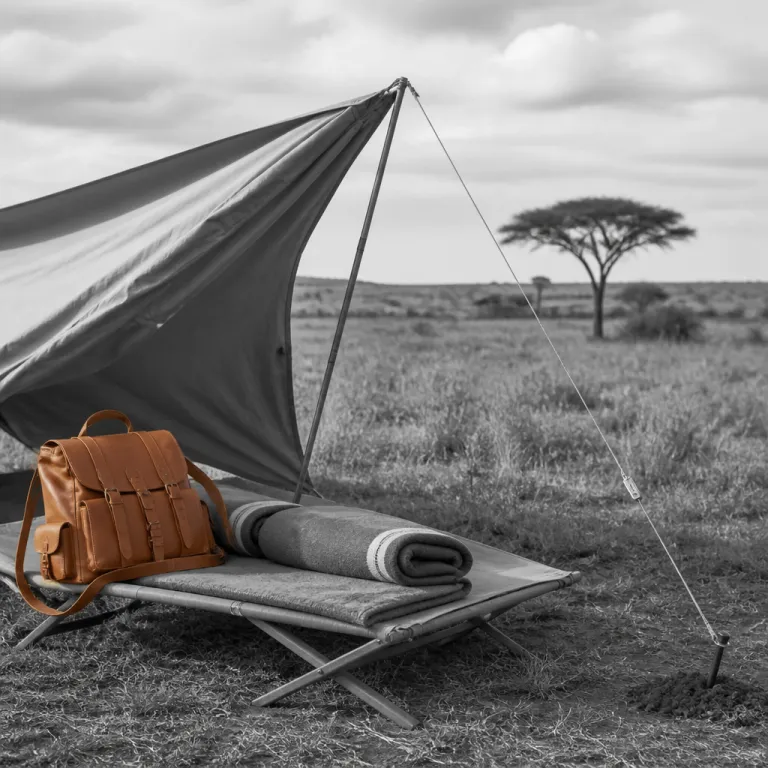
What is fly camping on a luxury safari?
Section 1 – What fly camping really means on a luxury safari
Fly camping on safari is the art of sleeping out with only a light fly sheet, a mosquito net, and the bare essentials between you and the wild. In classic camping terms, the “fly” is the waterproof outer layer or tarp that becomes a standalone shelter, and in high end camps and lodges across Africa it is used to create a temporary fly camp far from the main camp for one or two nights sleeping under the stars. When travellers ask what is fly camping, they are usually seeking a deeper camping experience that feels raw yet remains safely curated by expert guides and attentive staff.
In technical language, a fly in camping is defined as “a waterproof outer layer of a tent or a standalone shelter”, and this simple piece of equipment is what transforms a regular bush sleep out into a mobile wild camp that can be set up almost anywhere. Luxury safari teams use this minimalist camping fly system to reduce gear weight, increase mobility, and open up remote corners of national park landscapes that vehicles rarely reach, which is why fly camping has become popular with hikers, backpackers, and seasoned campers who want more than a standard lodge stay. When you book a premium safari lodge that offers this style of wild camping, you are choosing an experience that trades bricks and mortar for canvas and starlight without compromising on safety or thoughtful comfort.
Because the shelter is so light, many modern waterproof fly sheets used in camping weigh well under 2 kg according to product ranges such as the MSR Thru-Hiker Wing 70 (approx. 0.5–0.7 kg) and Sea to Summit Escapist Tarp (around 0.45–0.6 kg), which means your camp can move with you as you walk through the bush or along a river. Guides often explain that fly camping is best suited to mild weather, since professional outfitters and gear makers consistently describe tarp shelters as offering limited protection in harsh conditions compared with full expedition tents. For guests, that translates into dry season nights when the sky is clear, the air is crisp, and the sounds of the wild carry across the plains while you spend the night in a simple yet carefully prepared fly camp.
Section 2 – From main camp to fly camp: how the experience unfolds
A typical fly camping experience begins at the main camp or lodge, where you meet your guide, discuss the plan, and repack only what you need for a single night or several nights sleeping out. Staff load a compact fly, mosquito net, light bedding, and a small field kitchen, then you leave the comfort of the camps and lodges behind and head into the bush on foot or by vehicle to reach a secluded site. This shift from main camp to fly camp is deliberate, because it marks the moment when your safari becomes less about facilities and more about immersion in the wild.
On walking safaris in Tanzania or Kenya, the journey to your wild camp is often as memorable as the destination, especially when your guide reads tracks and signs in the dust like a storybook of the national park. For a deeper sense of what a walking safari can feel like before you commit to fly camping, many travellers explore a detailed guide to walking safaris in Tanzania where the tracker reads the dung and the leopard appears, then decide they are ready to spend the night out in a fly camp. Once you arrive at the chosen site, the team quickly sets up the fly, stretches ropes to nearby trees or poles, and stakes the corners so that your minimalist shelter is secure before darkness falls.
Because the whole point of fly camping is mobility, the camp footprint stays small, with a few individual mosquito net tents under the fly, a simple table, and a fire for warmth and cooking. Guides and porters have practised this routine many times, since “basic camping skills are sufficient; practice setup beforehand” is the standard advice even for professionals who refine their technique before each season. As a guest, you feel the thrill of wild camping without the stress of pitching your own shelter, and you can focus on the sensory details of the experience instead of the logistics of camp craft.
Section 3 – Nights sleeping out: sound, starlight, and the African bush
Once the sun slips behind the horizon, the essence of what is fly camping reveals itself in the sounds and textures of the African night. You might hear a distant lion calling across the plains, a wild dog pack yipping as it regroups after a hunt, or the soft rustle of antelope moving through the bush near your camp. Under the fly, with only a mosquito net between you and the open air, every sound feels closer, yet the presence of your guide and support team keeps the camping experience controlled and secure.
Luxury lodges that offer fly camping often pair it with night drives or star beds, creating a layered way to experience Africa after dark that goes far beyond a standard game drive. If you are curious about how different lodges handle nocturnal activities, a useful reference is this in depth guide to the bush after dark with night drives, star beds, and predator tracking, which complements the idea of spending a night in a fly camp. When you finally lie down, the fly shelters you from dew while the mosquito net keeps insects away, and the sky becomes your ceiling as you drift off to sleep with the Milky Way arching above.
Many guests report that a single night in a wild camp feels more intense than several nights in a conventional lodge, because the boundary between you and the wild is so thin. One traveller described waking to “the sound of elephants feeding just beyond the firelight, close enough to hear branches snap but far enough to feel completely safe with our guide on watch.” You are still within the safety protocols of a licensed safari operation inside a national park or private conservancy, yet you feel as if you have stepped back into an older, quieter Africa where people and wildlife share the same darkness. That contrast between refined lodge comfort and the raw immediacy of fly camping is what keeps experienced safari travellers returning to this style of trip again and again.
Section 4 – Iconic fly camping locations: from the Mara to South Luangwa
Some of the most evocative answers to the question what is fly camping come from specific landscapes, where the terrain and wildlife shape the experience. In Kenya’s Maasai Mara, for example, operators such as Alex Walker’s Serian have refined the art of the fly camp, leading guests away from the main camp to spend the night in secluded riverine bush where hippos grunt below and game moves silently along the banks. Here, the Mara’s open plains and wooded valleys create ideal conditions for wild camping, with clear skies, abundant wildlife, and easy access back to permanent camps and lodges the next morning.
Further south, South Luangwa National Park in Zambia has become synonymous with walking safaris and fly camping, thanks to its network of seasonal trails and remote river loops. In this region, a fly camp might be set up on a sandbank above a bend in the river, where you can watch elephants crossing at dusk and listen for the eerie calls of wild dog packs echoing through the night. Because South Luangwa is a national park with strict conservation rules, operators keep their camping experience light and low impact, moving the fly and camp equipment frequently so that the bush can recover quickly.
Not all fly camping happens on open plains or riverbanks, and some travellers seek a different mood in places like Sarara Camp in northern Kenya’s Mathews Range. Here, the surrounding hills and forests create a more intimate wild camp setting, where you might spend the night on a rocky outcrop or in a forest clearing, with the fly strung between trees and the sounds of the highland bush replacing the roar of the Mara. Across these regions of Africa, from the Mara to South Luangwa and beyond, the common thread is a commitment to minimal infrastructure, careful guiding, and a style of camping fly that respects both the land and the wildlife.
Section 5 – Comfort, safety, and quiet luxury in a fly camp
Guests often ask what fly camping feels like in terms of comfort, especially when they are used to high thread count sheets and polished lodge suites. In practice, a well run fly camp balances simplicity with subtle luxury, using proper mattresses on stretcher beds, quality linen, and a well hung mosquito net so that your nights sleeping out feel adventurous but not austere. You may not have a tiled bathroom, yet you will usually find a private bush shower and a neat long drop toilet screened by canvas, positioned a short walk from the camp.
Safety is non negotiable, and reputable operators only offer fly camping in areas where they can manage wildlife risk, maintain radio contact with the main camp, and keep a trained guide or ranger on watch throughout the night. The same teams who deliver seamless service in permanent camps and lodges bring that professionalism into the wild camp, ensuring that the fire is maintained, the fly is secure, and guests understand how to move safely around camp after dark. Because the shelter is minimalist, guides pay close attention to weather forecasts and seasonal patterns, and they will always cancel or adjust plans if strong winds or heavy rain threaten.
Quiet luxury in this context comes from details such as a perfectly timed hot air balloon flight at dawn after your fly camping night in the Mara, or a carefully prepared bush breakfast served as the first light touches the national park horizon. Some lodges even offer a spa treatment back at the main camp the following afternoon, allowing you to transition from wild camping to deep relaxation in a single day, and you can explore more about this style of indulgence in a dedicated guide to safari lodges with spa services. When you combine a raw night in a fly camp with refined recovery back at your lodge, the overall camping experience feels both grounded and indulgent.
Section 6 – How to choose and prepare for a fly camping safari
Selecting the right lodge or camp for fly camping begins with clarity about what you want from the experience. If your priority is intense wildlife encounters, look for operations in national park areas known for strong game densities, such as the Mara for big cats or South Luangwa for leopard and wild dog sightings, and confirm that they offer a dedicated fly camp rather than a simple sleep out deck. Travellers who prefer varied landscapes might choose a trip that combines open plains with forested hills or even a lake shore, creating a multi night itinerary that showcases different sides of experience Africa.
When you evaluate what is fly camping in the context of a specific property, ask detailed questions about the camp setup, guiding ratios, and safety protocols. A serious operator will explain how they position the fly relative to wind direction, where they place the fire, how far the bush bathroom is from the sleeping area, and what communication they maintain with the main camp during the night. They should also outline what personal gear you need to bring, although in most luxury operations you only need comfortable clothing, a headlamp, and perhaps a light jacket for the cool night air.
Preparation on your side is more about mindset than equipment, because the lodge team handles the technical aspects of camping fly and camp logistics. If you are new to camping, it can help to practise one or two nights in a simple tent at home or in a local park, since “basic camping skills are sufficient; practice setup beforehand” is sound advice for anyone heading into the bush. Once you arrive in Africa, trust your guides, embrace the simplicity of the fly camp, and allow the rhythm of the wild night to redefine what luxury means on safari.
Key figures about fly camping and minimalist safari camps
- Many modern waterproof fly sheets used in camping weigh well under 2 kg according to leading outdoor gear manufacturers, which allows safari teams to carry multiple fly sheets and create mobile wild camps without heavy vehicles.
- Outdoor recreation surveys consistently show growing interest in lightweight shelters and tarp style setups, indicating rising enthusiasm for minimalist camping experiences among hikers, backpackers, and safari guests who want to sleep closer to the elements.
- Specialists note that fly camping is best suited to mild, dry seasons, because the lightweight fly offers limited protection in harsh conditions compared with full expedition tents, so most luxury lodges schedule these nights during predictable weather windows.
- Luxury safari operators often limit fly camp groups to small parties, typically between 2 and 6 guests, to maintain safety, minimise environmental impact, and ensure a high guide to guest ratio during nights sleeping out in the bush.
FAQ about fly camping on luxury safaris
What is a fly in camping, and how is it used on safari ?
A fly in camping is the waterproof outer layer of a tent or a standalone tarp style shelter that protects you from dew and light rain. On safari, guides use the fly to create a minimalist fly camp with individual mosquito nets and beds underneath, allowing guests to spend the night in the open while remaining sheltered. This setup keeps weight low and mobility high, which is ideal for walking safaris and remote bush experiences.
Is fly camping suitable for all weather conditions on safari ?
Fly camping is not suitable for every weather pattern, and professionals agree that it works best in mild, dry conditions. The fly and mosquito net combination offers limited protection in heavy rain, strong winds, or cold temperatures compared with a full tent, so reputable lodges only schedule these nights during stable seasons. If the forecast looks poor, your guide will usually switch you back to the main camp or postpone the wild camp night.
Do I need special skills or fitness for a fly camping experience ?
You do not need advanced outdoor skills to enjoy fly camping on a guided safari, because the lodge team handles camp setup, safety, and navigation. Basic camping awareness helps, such as using a headlamp, staying within the camp boundary, and following your guide’s instructions when moving around the bush at night. A moderate level of fitness is useful if your fly camp is reached by a walking safari, but many operations also offer vehicle access for guests who prefer less strenuous travel.
How safe is it to spend the night in a wild camp with big game nearby ?
When organised by a licensed safari operator, spending the night in a wild camp is carefully managed to keep risk very low. Guides choose camp locations with good visibility, maintain a fire, keep radios or satellite phones linked to the main camp, and stay on watch while guests sleep under the fly. You remain inside a controlled perimeter, and wildlife usually avoids the immediate camp area, even in regions with lions, elephants, or wild dog packs.
What should I pack for a fly camping night on a luxury safari ?
For a fly camping night, lodges typically provide bedding, mosquito nets, and all core camping equipment, so your personal packing list stays short. Comfortable walking shoes, neutral coloured clothing, a warm layer for the cool night, and a reliable headlamp are usually sufficient, along with any personal medication. Before your trip, your chosen lodge or camp will send a detailed packing guide tailored to their specific fly camp setup and the national park environment you will be visiting.