Why nocturnal animals make or break your safari adventure
Daylight in the bush is theatre, but the real story starts at night. Once the heat drains from the plains and the last safari tram hum fades, the most secretive wildlife steps into the dark and rewrites the script. If you care about a truly complete nocturnal animals night safari, you need to book a lodge that treats after dark as half the game, not an optional extra.
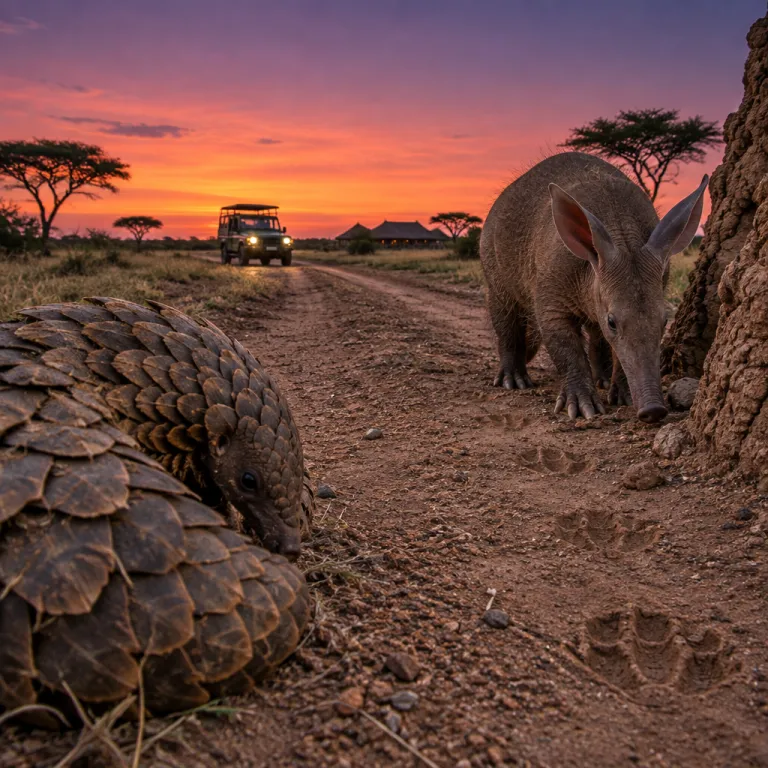
When temperatures fall, shy animals such as aardvark, Sunda pangolin and aardwolf emerge from burrows and termite mounds, using the cool night to feed while avoiding dominant predators. This is the time when nocturnal wildlife moves along sandy trail networks, slips between acacia shadows and turns a quiet clearing into a private stage for creatures’ night behaviour you will never see on a standard game drive. A serious safari adventure understands that day and night are two different ecosystems, and that your choice of wildlife reserve or private conservancy decides whether you meet these animals at all.
Luxury lodges that specialise in night safaris design the entire experience around this shift in rhythm. Guides plan early dinners so you are on the vehicle the moment the last light fades, and they brief you carefully on how red filtered spotlights protect sensitive nocturnal animals while still revealing every palm civet tail and every slow loris eye shine. If you are comparing properties on a booking platform, treat a well structured night safari programme as seriously as you would a prime migration location or a renowned leopard territory.
The nocturnal cast: from pangolin scales to palm civet tails
The roll call of true nocturnal wildlife is short, rare and worth crossing continents for. An aardvark shuffling along a sandy trail, a Sunda pangolin coiled at the base of a knobthorn, or a palm civet balanced on a branch above the vehicle will change how you think about safari forever. These are the animals you quietly hope for on every nocturnal animals night safari, even if you are too superstitious to say their names aloud.
Most of these creatures are insectivores or small predators that use the dark as armour, timing their movements to avoid the peak hunting hours of lion and leopard. Bushbabies leap between trees along the walking trails near camp, porcupines trundle past the firepit, and genets patrol the thatch, turning the lodge itself into part of the wildlife reserve after dinner. When a guide suggests a short walk back to your tent instead of the tram style transfer, they are often giving you the best chance of a close but respectful encounter with these elusive animals.
For travellers used to curated experiences such as safari Singapore style attractions or the carefully staged night presentation formats at places like River Wonders in Singapore, the bush can feel disarmingly unscripted. There is no guarantee of a Sunda pangolin or a slow loris on any given drive, and you will not find a Tasmanian devil or an Asian small-clawed otter outside its natural range, but the unpredictability is the point. If you want a more controlled introduction before heading to remote camps, a visit to a conservation focused park or wildlife reserve near a major city can be a useful primer on nocturnal wildlife behaviour.
Some travellers first meet nocturnal animals in urban settings such as the famous Night Safari Singapore experience at Mandai Wildlife Reserve, where a carefully managed park uses a tram system, structured walking trails and a choreographed night presentation to introduce species like the Asian small-clawed otter and the slow loris. Tasmanian devils, by contrast, are typically seen in dedicated Australian or Tasmanian facilities rather than in Singapore. Those parks in Singapore are not a substitute for a wild nocturnal animals night safari, but they do teach you how to read body language in the dark and how to let your eyes adjust without over relying on artificial light. When you later book a remote lodge, that early exposure to nocturnal wildlife can make your first true creatures’ night encounter in Africa or Asia feel more intuitive and less overwhelming.
If you have already sampled a curated safari Singapore style park, use that experience to refine what you want from a wild setting. Ask yourself whether you prefer the controlled timing of a Singapore night programme or the open ended time frame of a private reserve where the vehicle can stay with an animal as long as the guide judges it ethical. Your answers will shape whether you choose a lodge in a tightly regulated national park or in a more flexible conservancy that treats every night safari as a bespoke adventure.
For solo travellers who enjoy minimalist immersion, pairing a nocturnal animals night safari with a night or two of fly camping can be transformative. Properties that offer carefully guided fly camping in remote corners of a conservancy let you hear the full soundscape of nocturnal wildlife, from owl calls to distant leopard sawing, with only canvas between you and the dark. If that level of immersion appeals, look for lodges that treat fly camping on safari as a core part of their programme rather than a token add on.
Predators after dark: how leopard, lion and owl rewrite the rules
Big cats are technically visible by day, but their real work starts at night. Once the last glow slips from the horizon, lion and leopard switch from languid daylight posing to focused hunting, using the dark as cover and cooler air to stretch their range. A lodge that offers a serious nocturnal animals night safari gives you access to this shift, and it is the difference between watching wildlife and understanding it.
Leopard behaviour changes dramatically once the spotlight clicks off and the guide lets your eyes adjust to the ambient dark. You may watch a female leopard use a dry riverbed as a natural trail, pausing to listen for small animals while an owl tracks the same movement from above, both predators tuned to the same faint rustle. Lion prides often split, with younger males testing independence along the fringes of the wildlife reserve, and this is the time when a careful guide can position the vehicle to witness a stalk without ever blocking the animal’s path.
Modern lodges increasingly equip vehicles with red filtered lights and, in some cases, thermal imaging scopes that reveal heat signatures the beam misses. Used well, these tools allow you to follow nocturnal wildlife such as palm civet or even a Sunda pangolin without flooding them with harsh light or extending the time spent on a single animal. If you want to understand how professionals manage this balance, read field focused resources such as guides to the bush after dark before you book, then ask your lodge specific questions about their night safaris protocol.
For travellers familiar with structured environments like the Mandai Wildlife Night Safari in Singapore, where a tram follows a fixed route through a park and a night presentation explains each species, the fluidity of a wild drive can feel startling. There is no script, no guaranteed leopard on a particular bend, only the guide’s reading of tracks, wind and time. That is precisely why a private conservancy with flexible rules on night drives will often offer a richer safari adventure than a tightly regulated day only park.
Access, ethics and the fine print of booking a night safari lodge
Not every wildlife reserve allows vehicles to move after dark, and this is where many first time travellers are caught out. National parks often ban night driving entirely, while neighbouring private reserves or community conservancies permit carefully regulated nocturnal animals night safari drives. If you care about meeting the animals that only emerge at night, you must read the access rules before you book.
When comparing properties, look beyond the headline promise of a safari adventure and study how each lodge structures its night safaris. Some offer only a short loop near camp, effectively a gentle introduction to nocturnal wildlife, while others range widely across the reserve, following tracks for hours and using radio silence to keep encounters intimate. Ask whether the lodge shares traversing rights with neighbouring parks, how many vehicles can be at a single sighting and how guides decide when to leave an animal in peace. In regions like South Africa’s Sabi Sand or Kenya’s Mara conservancies, for example, clear protocols on vehicle numbers and time limits at sightings help keep pressure on predators and rarer nocturnal species to a minimum.
Ethical practice matters more at night, when animals rely heavily on hearing and low light vision. A good guide will keep the spotlight off sensitive species such as slow loris or Asian small-clawed otter, avoid shining directly into an owl’s eyes and limit the time spent with any single animal, especially during a hunt. If a property treats nocturnal wildlife as a stage set for aggressive night presentation theatrics, rather than as living creatures with strict energy budgets, take your budget elsewhere.
Solo travellers who value depth over dazzle should also consider how a lodge integrates walking trails into its programme. Short, guided walks around camp at dusk or just before full dark can reveal tracks, droppings and subtle signs of nocturnal animals that you will later meet on a drive, turning the whole experience into a layered narrative rather than a series of disconnected sightings. For a deeper understanding of how expert guiding elevates this, study resources such as how private guides elevate your lodge stay and then prioritise properties that invest heavily in guide training and long term conservation partnerships.
Designing your ideal creatures night: practical tips for solo explorers
Planning a nocturnal animals night safari as a solo traveller gives you unusual freedom. You can choose a lodge that prioritises small group vehicles, long drives and flexible timing, rather than one that rushes back for a rigid dinner presentation. You can also decide how much of your stay you want to allocate to night safaris versus day drives, treating day and night as complementary chapters rather than competing options.
Start by clarifying your appetite for intensity and remoteness. If you are comfortable with deep dark, distant lion calls and the possibility of hearing animals move past your tent, look for properties that offer star beds or sleep out decks in secure parts of the wildlife reserve, often paired with extended night drives. For a gentler entry point, consider lodges closer to established parks or even a pre trip visit to a curated environment such as Mandai Wildlife’s safari Singapore style park, where a Singapore night programme introduces you to nocturnal wildlife from the safety of a tram.
When you book, ask specific questions about the night safari format rather than accepting generic assurances. How many vehicles operate at night, what is the maximum time spent with a single animal, and how do guides balance guest requests with animal welfare when a leopard or palm civet is hunting? Clarify whether walking trails are used only by day or whether there are controlled after dark walks near camp, and whether the lodge collaborates with external conservation bodies to monitor sensitive species such as Sunda pangolin or Asian small-clawed otter populations.
Finally, pack and behave for the experience you say you want. Dark, non reflective clothing, a small red filtered headlamp and a willingness to sit in silence when the guide asks for it will all increase your chances of meaningful encounters with nocturnal wildlife. Treat every owl call, every rustle along the trail and every fleeting glimpse of an animal in the beam as part of a larger story, and you will leave with a sense that the bush at night is not a sideshow to the day, but its equal.
FAQ
Why are night drives so important on safari ?
Night drives reveal a completely different set of animals and behaviours that you will never see during standard daytime game drives. Many elusive species, from aardvark to Sunda pangolin, are almost exclusively active after dark, and predators such as leopard and lion do most of their serious hunting at night. If you skip night drives, you effectively miss half of the ecosystem’s daily cycle.
Are night safaris ethical for the animals ?
Night safaris can be ethical when lodges follow strict guidelines on light use, viewing distance and time spent with each animal. Responsible guides use red filtered spotlights, avoid shining directly into sensitive eyes and leave immediately if an animal shows signs of stress or is actively hunting. When booking, ask lodges to explain their night drive protocols so you can support operations that prioritise animal welfare.
Can I do night drives inside national parks ?
Most national parks do not allow private vehicles to drive after dark, and only a limited number of park operated night drives may be available on fixed routes. Private reserves and community conservancies adjacent to these parks often have more flexible rules, allowing lodges to offer longer and more responsive night drives. If nocturnal wildlife is a priority, choose a lodge with guaranteed access to night drives rather than relying on park operated options.
Is a curated night safari in singapore good preparation for a wild safari ?
Curated experiences such as the Mandai Wildlife Night Safari in Singapore can be a useful introduction to nocturnal animals, spotlight etiquette and how your own eyes adjust to the dark. These parks operate in controlled environments, so they are not a substitute for wild encounters, but they do help first time travellers feel more comfortable before heading to remote lodges. Use them as a primer, then seek out properties in true wildlife reserves for authentic nocturnal encounters.
What should I pack for a nocturnal animals night safari ?
For night drives, pack dark clothing, a warm layer, a light scarf or buff and a small red filtered headlamp if your lodge permits it. Avoid bright white or reflective fabrics that can catch the spotlight and distract wildlife or other guests. A quiet attitude, patience and a willingness to let your eyes adjust will do more for your experience than any gadget.